

You grew up with a mix of beloved rituals and eyebrow-raising practices that people now argue fiercely about. This piece walks you through nine childhood staples from the 2000s that spark nostalgia, safety debates, and weirdly strong opinions.
You’ll get a clear sense of why each item divides people and what that says about how childhood has changed. Expect short takes on everything from risky backyard games to old-school store trips, so you can decide which memories belong in the hall of fame and which warrant a side-eye.
Lawn Darts
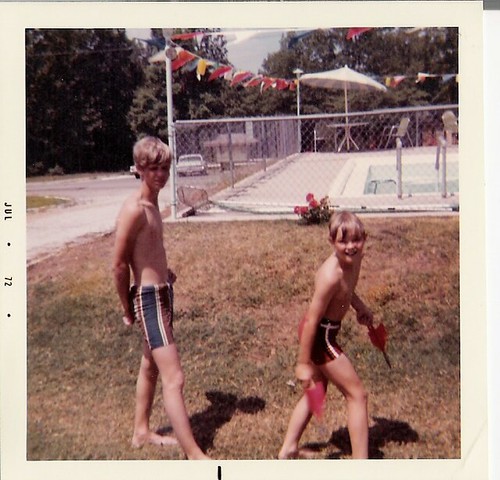
You probably remember lawn darts as those heavy, pointy toys adults thought were fine for backyard fun. They looked like mini javelins and invited competitive backyard play, but they also caused serious injuries, especially to children.
Because of accidents and a few fatalities, regulators moved to ban or restrict them in many places. If you kept a set, you likely treat them now as vintage curiosity rather than something you’d hand to a kid.
Drop-Side Cribs
You probably remember how handy drop-side cribs felt when you were lifting a squirming baby in and out. They were convenient, but design flaws led to accidents — entrapment, strangulation, and some fatal incidents prompted safety bans.
If you still see one at a thrift shop or hand-me-down pile, avoid using it for a newborn. Safer fixed-side cribs meet modern standards and cut the risk significantly.
Playing Hopscotch
You probably remember drawing squares with chalk and arguing about whose turn it was to toss the stone.
The rules were simple enough to teach a new kid in minutes, but the game still sparked fierce rivalry.
Hopscotch kept you moving and laughing between classes or on summer sidewalks.
It also let you borrow versions from other neighborhoods, making play surprisingly local and social.
Woolworth’s Stores
You remember Woolworth’s as the mall staple with a bit of everything — toys, snacks, cosmetics, and those classic lunch counters.
You could wander the aisles and find cheap surprises; it felt like a small treasure hunt.
By the 2000s the brand had faded in many places, but those red-and-gold storefronts and grilled-cheese memories stick with you.
For childhood nostalgia, Woolworth’s still ranks high on the list, even if the stores themselves mostly disappeared.
Tree Climbing
You probably remember scrambling up a tree and feeling proud when you reached a high branch. It taught you balance, judged risk, and nudged confidence without anyone giving a pep talk.
Parents split on it: some praise creativity and resilience, others worry about scrapes and liability. If you let a child climb, set simple rules and pick sturdy trees so the fun stays mostly safe.
Metal Toys
You probably remember the clink of metal on metal when you emptied a box of Hot Wheels or Matchbox cars on the carpet.
Those die-cast cars felt indestructible and begged you to build ramps, loops, and elaborate crash scenes.
You might also recall Tonka trucks that could survive anything your backyard hursery threw at them.
Their weight and simple mechanics made them easy to fix and pass down, which explains why some of yours still exist.
Department Store Popcorn
You remember that warm, buttery smell hitting you the moment you stepped into the mall. It was cheap, oddly addictive, and somehow part of the whole shopping ritual.
Buying a bag felt like a small victory after browsing racks or riding the escalator. Even if the popcorn itself wasn’t gourmet, it made errands feel like an outing.
Strict 70s School Dress Codes
You remember rules that read like a uniform manual: skirts at a certain length, boys’ hair above the collar, and ties required for special days.
Those codes felt normal then, but they often singled out girls and policed personal expression.
You learned conformity more than comfort. Enforcement could be public and embarrassing, which shaped how you dressed and behaved at school.
Unsupervised Outdoor Play
You remember roaming the block with friends, free to invent games and settle disputes without an adult referee.
Those unscheduled hours built social skills, risk judgment, and a kind of confidence screens rarely teach.
Today you and other parents juggle safety concerns, organized activities, and devices, so kids get less unstructured time.
If you want to reclaim a bit of that freedom, start small: neighborhood meetups, trusted routes, and graded independence grow over weeks.
More from Vinyl and Velvet:

Leave a Reply