


You’re about to dive into a quiz that tests whether 90s slang still lives in your vocabulary or just in old mixtapes and sitcom reruns. You’ll get a fast, fun challenge that shows how well you remember the era’s catchphrases and what they actually meant.
Keep your nostalgia hat on and your confidence in check as you move through terms from hip-hop, pop culture, and everyday banter. Each question will pull from the decade’s style and slang, letting you judge whether you’re fluent in 90s lingo or due for a refresher.
What does ‘phat’ mean in 90s slang?
You’d hear “phat” in music, fashion, and everyday praise.
It means excellent, stylish, or impressively cool — a compliment for looks, gear, or beats.
Origins tie to Black American English and hip-hop culture, and the word peaked in the 1990s.
Today it’s nostalgic slang; using it marks you as either retro-cool or playfully ironic.
Explain the term ‘da bomb’
You use “da bomb” to call something excellent or top-notch.
It rose in late 20th-century American slang, especially around hip-hop and youth culture.
You might hear it about music, fashion, or a person — as in “That track is da bomb.”
Occasionally it’s used sarcastically to mean the opposite, so context matters.
Meaning of ‘bust a move’ in the 90s
In the 90s, “bust a move” told you to get up and dance — often with confidence and style.
It came from hip‑hop and club culture, so it usually meant showing off a freestyle move or cutting loose.
You could also hear it used more loosely to mean making a bold move or taking action.
Context mattered: at a party it meant dance; in conversation it could mean make your move.
Define ‘word to your mother.’
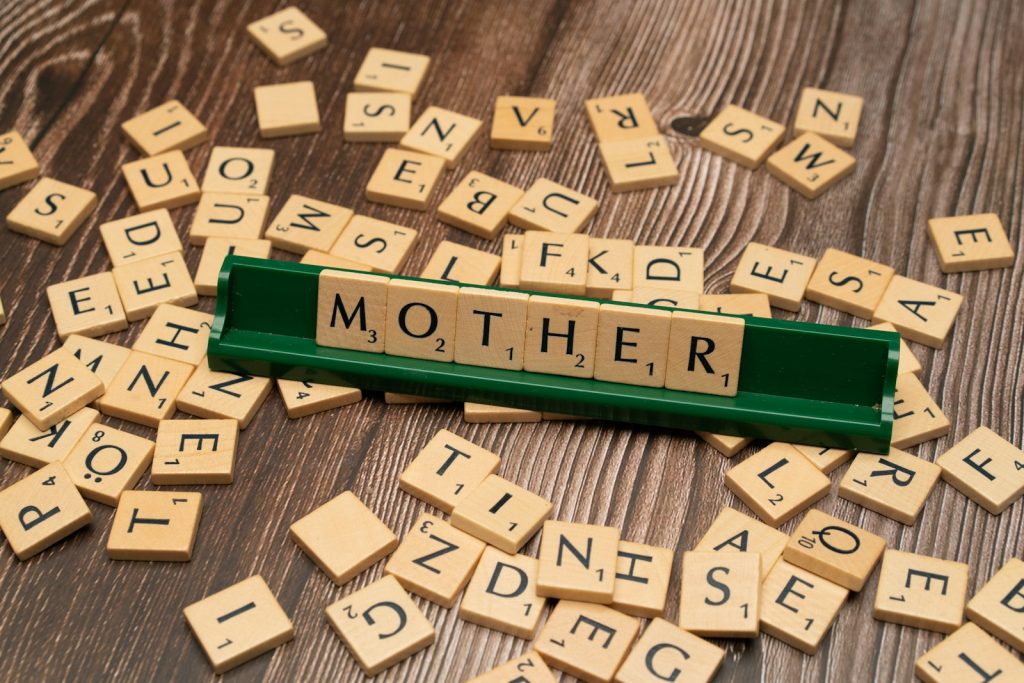
“Word to your mother” is a 90s slang phrase you use to show strong agreement or respect for what’s just been said.
It originally tied into Afrocentric pride, where “mother” could mean the Motherland, but by the 90s it often worked as a general affirmation.
You might hear it dropped after a powerful line in a rap or when someone nods hard to your point.
Use it when you want to signal sincere agreement without sounding formal.
What’s ‘bling-bling’ referring to?
You know bling-bling as flashy, showy jewelry and accessories that signal wealth or status.
Think diamond chains, iced-out watches, grills, and designer bags — items meant to catch light and eyes.
The term rose in hip-hop culture in the late 1990s and became shorthand for ostentatious display.
When someone says “bling,” they’re usually calling out high-gloss, attention-grabbing luxury.
Explain ‘get jiggy with it.’
You hear “get jiggy with it” and think dance moves, bold energy, and a carefree vibe.
It grew popular in the mid-1990s through music and clubs, meaning to let loose, dance, or act confident.
Sometimes people use it playfully for flirting or showing off, not always literally dancing.
If you see it on the quiz, pick the answer that points to partying, confidence, or playful swagger.
What does ‘all that and a bag of chips’ mean?
You use this phrase to say someone or something is impressive — and then some.
It started as 90s slang to intensify “all that,” adding the bag of chips as extra flair.
Say it playfully when praising a person’s looks, style, or attitude.
It’s casual, a little boastful, and rooted in 90s pop culture.
Meaning of ‘fly’ in 90s slang
In the 90s, if someone called you “fly,” they meant you looked stylish or cool.
It came from hip-hop and street fashion, so it often praised clothes, swagger, or overall vibe.
You’d hear it about outfits, sneakers, or a confident walk.
Using “fly” signaled approval—simple, direct, and flattering.
What’s ‘as if!’ used for?
You use “as if!” to reject something with attitude.
Say it when someone suggests something you find ridiculous or impossible.
It often sounds sarcastic and short — perfect for quick comebacks.
In the ’90s it signaled disbelief, dismissal, or playful mockery.
Define ‘scrub’ in 90s terms.
In the 90s, calling someone a “scrub” meant you thought they were useless or undeserving — especially in relationships or social status.
You used it to call out someone who talked big but lacked money, skill, or respect.
The term carried attitude and class judgment, partly popularized by pop culture and songs.
You’d hear it in songs, TV, and playgrounds as a quick way to dismiss someone.
More from Vinyl and Velvet:

Leave a Reply