

The Cure spent 50 years as a band without a single Grammy on the shelf, then suddenly picked up two in one night just as they were releasing some of the most vulnerable music of their career. The timing is not neat or tidy, but it fits a group that has always treated success as a side effect rather than the point. Their first Grammy wins land in a season where the band is looking back over half a century and, at the same time, digging into fresh grief, love, and uncertainty.
That mix of overdue recognition and raw emotion gives this moment its charge. The trophies matter, but so does the fact that The Cure are winning them while wrestling with age, loss, and what it means to keep making art when the world has already decided you are a legend.
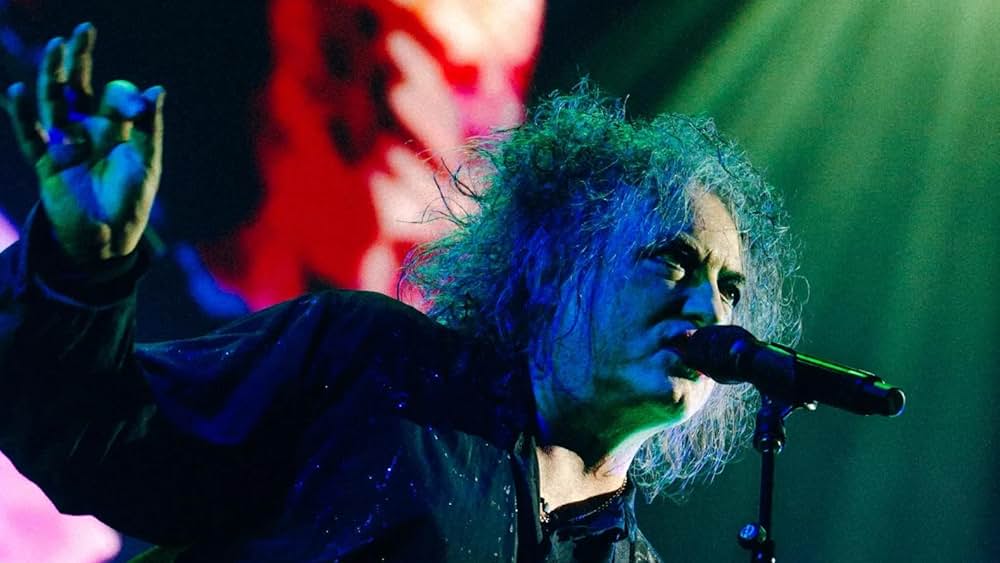
The long road to a “first” Grammy
For a band as culturally baked-in as The Cure, the phrase “first Grammy” sounds like a typo. Yet it took a full 50 years from their formation for the Recording Academy to finally call their name. Reporting notes that before this breakthrough, they had only two prior nods at the Grammy Awards, both in the Best Alterna category, which is a wild stat for a group that helped define alternative music in the first place. The Cure’s belated coronation underlines how awards often trail behind the culture they are supposed to recognize.
The breakthrough itself was not modest. The Cure did not just sneak one trophy; they took home two Grammy Awards in one night, echoing earlier chatter that After 50 years as a band, The Cure were overdue for this kind of sweep. Coverage of the ceremony notes that the group, led by frontman Robert Smith, finally converted decades of influence into actual hardware, a shift that feels less like a career turning point and more like the industry catching up to reality.
The categories that finally caught up
When the Grammys did arrive, they came in the lanes that have quietly been The Cure’s home for decades. The band won a Grammy Award for Best Alternative Mu and another for Best Alternative Music Album, finally putting official labels on what fans have known since the early days. Another report spells out that The Cure won Best Alternative Music Performance at the Grammys for the song “Alone,” a slow-burning track that leans into the band’s signature mix of melancholy and grandeur.
That performance win is especially telling. “Alone” is not a nostalgia play, it is a new song that stands comfortably next to the band’s classics, and the Grammys for that track signal that the Academy is finally hearing The Cure as a living, evolving act rather than a legacy booking. The same night, they also scored for Best Alternative Music Album, a result echoed in social posts celebrating The Cure taking Best Alternative Music Pe at the 2026 ceremony, with one recap calling it a “milestone night” for The Cure. It is the kind of clean sweep that usually happens early in a band’s rise, not half a century in.
Grammys as late-career validation
For artists at any stage, a Grammy can be a career accelerant, but for a group like The Cure, it functions more like a stamp on a legacy that was already secure. Industry analysis points out that the accolades serve as milestones that help Artists cement their status as legends in the music industry, and that is exactly what is happening here. The Cure did not need trophies to headline festivals or sell out arenas, but the Grammys formalize their place in the canon in a way that institutions and future retrospectives tend to respect.
That institutional nod also arrives as the band is still very much in motion. One report notes that Having been together for over half a century, the group is still topping festival bills, including a high-profile slot at the Isle of Wight, where they are listed as headliners in a piece that frames 2026 as another significant landmark for the band Posted shortly after the awards. The Grammys, in other words, are not a retirement gift. They are arriving while The Cure are still adding chapters, not closing the book, which gives the recognition a different kind of weight.
“Songs of a Lost World” and a band in mourning
The emotional core of this whole moment is the album that sits behind those trophies. The Cure’s latest record, Songs of a Lost World, arrived after a 16-year gap between studio albums, a wait that could have easily turned any release into a museum piece. Instead, the record debuted at the top of Amazon’s best selling CDs and Vinyl charts, a sign that the band’s audience had not drifted away during the long silence. A review describes The Cure Songs of Lost World as a Somber Reflection on Love and Loss, leaning into grief and tenderness rather than chasing radio trends, and that tone is exactly what makes the album feel so current.
On a technical level, the album also marks a shift. It is the first studio release to feature guitarist Reeves Gabrels, and reporting notes that, according to critics, it may be the most personal album of Smith’s career. Another analysis frames The Cure Songs of Lost World Review as a Somber Reflection on Love and Loss, highlighting how the band revisits themes of heartbreak and mortality with a clarity that comes from age and experience Review. In that light, the Grammys feel less like a reward for endurance and more like a response to a specific, deeply felt piece of work.
Sixteen quiet years, then a flood
The emotional intensity of Songs of a Lost World is partly a function of time. One report spells it out bluntly: While it took 16 years for the While Cure to release a new album before the arrival of 2024’s Songs of Lost World, fans likely will not have to wait that long again. That long pause gave Robert Smith time to process personal losses and shifting relationships, and the new songs carry that weight. The record does not sound like a band trying to recapture youth; it sounds like a group that has lived through the fallout of its own mythology.
At the same time, Smith is already looking ahead. Coverage of The Cure’s Robert Smith Teases Another New Album, Targeting Summer 2025 Release notes that The Cure returned in 2024 with Songs and that Smith has been open about having more material ready, some of it very different in tone Targeting Summer. Another interview captures him saying, “But some of it is really, really good actually, it is just very, very different,” while describing how This Songs of Lost World album is a really emo record that charts Love and Loss in granular detail But. The suggestion is that the next chapter may step out of that shadow, even as the Grammys are still being polished.
More from Vinyl and Velvet:

Leave a Reply