

You’ll tug at the decade’s neon threads and find moments that still spark debate today. This list ranks nine nostalgic 80s events that shaped music, movies, gaming, fitness, and TV — so you can see which moments truly changed pop culture and which feel more controversial in hindsight.
Flip through the premiere of MTV, iconic album drops, breakthrough films, and early cable shifts as you revisit why those moments mattered then and what they mean now. Expect a mix of cultural milestones and eyebrow-raising choices that keep the conversation alive.
The premiere of MTV and the rise of music videos
You watched MTV’s first broadcast in 1981 and saw music shift toward visual storytelling. The Buggles’ “Video Killed the Radio Star” became symbolic of that change.
You started expecting songs to come with striking images, short films, or choreographed sets. Big-budget videos like Michael Jackson’s “Thriller” later proved that music could be cinematic and culturally defining.
You noticed budgets and industry attention climb as videos shaped artist identity and charts. MTV made visuals a key part of how you remembered the 80s.
Michael Jackson’s Thriller album release
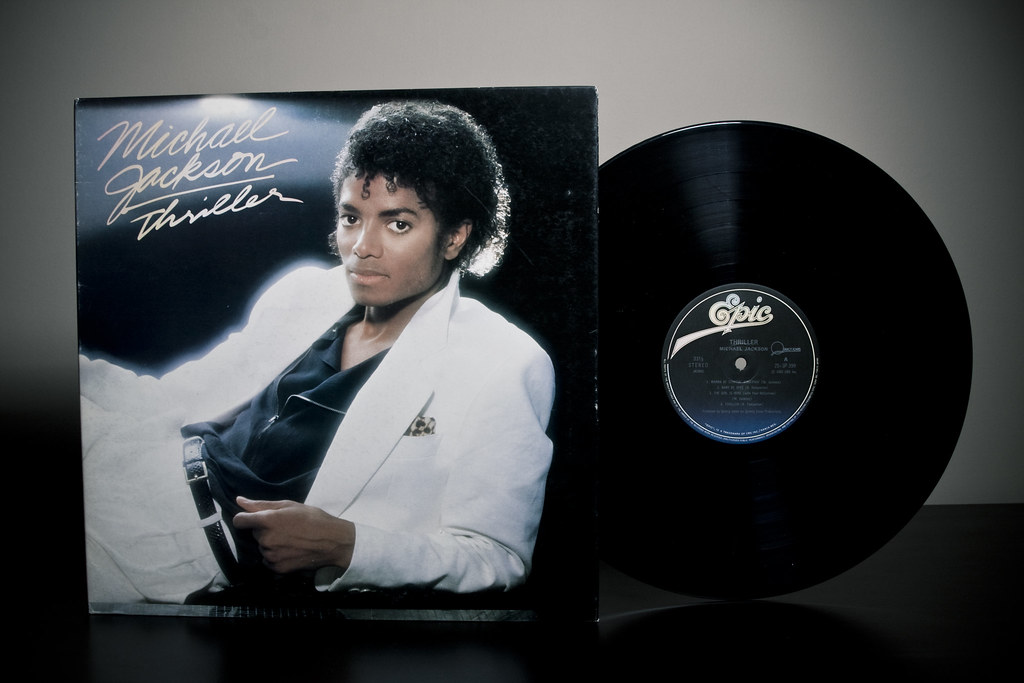
You remember how Thriller dropped in late November 1982 and changed pop music consumption almost overnight.
Its mix of pop, rock, funk, and synth hooks pushed production standards and made music videos a must-watch part of album promotion.
You likely saw the music video for the title track and felt its cinematic vibe; it helped turn songs into visual events.
Thriller’s massive sales and mainstream reach also shifted how artists and labels approached global stardom.
The launch of the Nintendo Entertainment System
You remember when games stopped being simple cartridges and became full experiences; the NES brought that shift to your living room.
It arrived in Japan as the Famicom in 1983 and reached the U.S. as the NES in mid‑80s test launches, then wider release in 1986.
You likely saw the boxed system, the rectangular controller, and games like Mario that felt brand new.
Nintendo’s move helped revive the U.S. market after the 1983 crash and made gaming a mainstream hobby for you and millions more.
The blockbuster hit Back to the Future
You probably know the DeLorean and that lightning-clock image by heart.
The 1985 film mixed sci-fi, comedy, and a sweet family story, making it a defining pop-culture moment of the decade.
You feel the 1950s nostalgia and 80s sensibility at once, thanks to sharp performances from Michael J. Fox and Christopher Lloyd.
Its clever time-travel plot and memorable soundtrack keep fans returning and debating changes to the timeline.
The popularity of Jane Fonda workout videos
You probably remember the neon leotards and cranky VHS rewinds.
Jane Fonda’s videos made home aerobics a thing, bringing studio-style classes into your living room.
They sold millions and helped normalize regular exercise for many people.
You still see their influence in today’s online fitness classes and retro workout trend posts.
The debut of iconic movies like Stand by Me
You remember how movies like Stand by Me felt like a private time capsule of youth and friendship.
They arrived in the mid-80s and reshaped how you saw coming-of-age stories, mixing nostalgia with honest emotion.
When you watched those young actors on screen, you saw your own awkward moments and small triumphs reflected back.
Those films pushed quieter, character-driven tales into the spotlight and left a lasting mark on pop culture.
The rise of the yuppie culture
You saw yuppies everywhere in the 1980s: young, city-based professionals chasing big salaries and status symbols.
Their image grew from political shifts and economic opportunities that pushed ambitious college grads into lucrative white‑collar jobs.
You noticed fitness, self‑improvement, and conspicuous consumption become part of the package.
That lifestyle sparked admiration, envy, and plenty of cultural backlash.
Madonna’s breakthrough with ‘Like a Virgin’
You saw the moment pop music shift when Madonna released “Like a Virgin” in 1984.
The synth-driven single hit No. 1 and turned her into a mainstream star almost overnight.
Her MTV VMA performance in a wedding dress amplified the buzz and sparked debate.
You could call it provocative; it also cemented her image as a boundary-pushing pop artist.
The emergence of cable networks changing TV
You remember when three channels felt like everything. Cable exploded that feeling, bringing dozens more choices into your living room and shifting how you picked shows.
Networks like HBO, MTV, and CNN started offering specialized, subscription-driven content. That meant fewer ads, edgier programming, and news that ran around the clock.
As cable spread through the 80s, your viewing habits loosened from appointment TV. You could follow niche interests and catch cultural moments outside the broadcast schedule.
More from Vinyl and Velvet:

Leave a Reply