

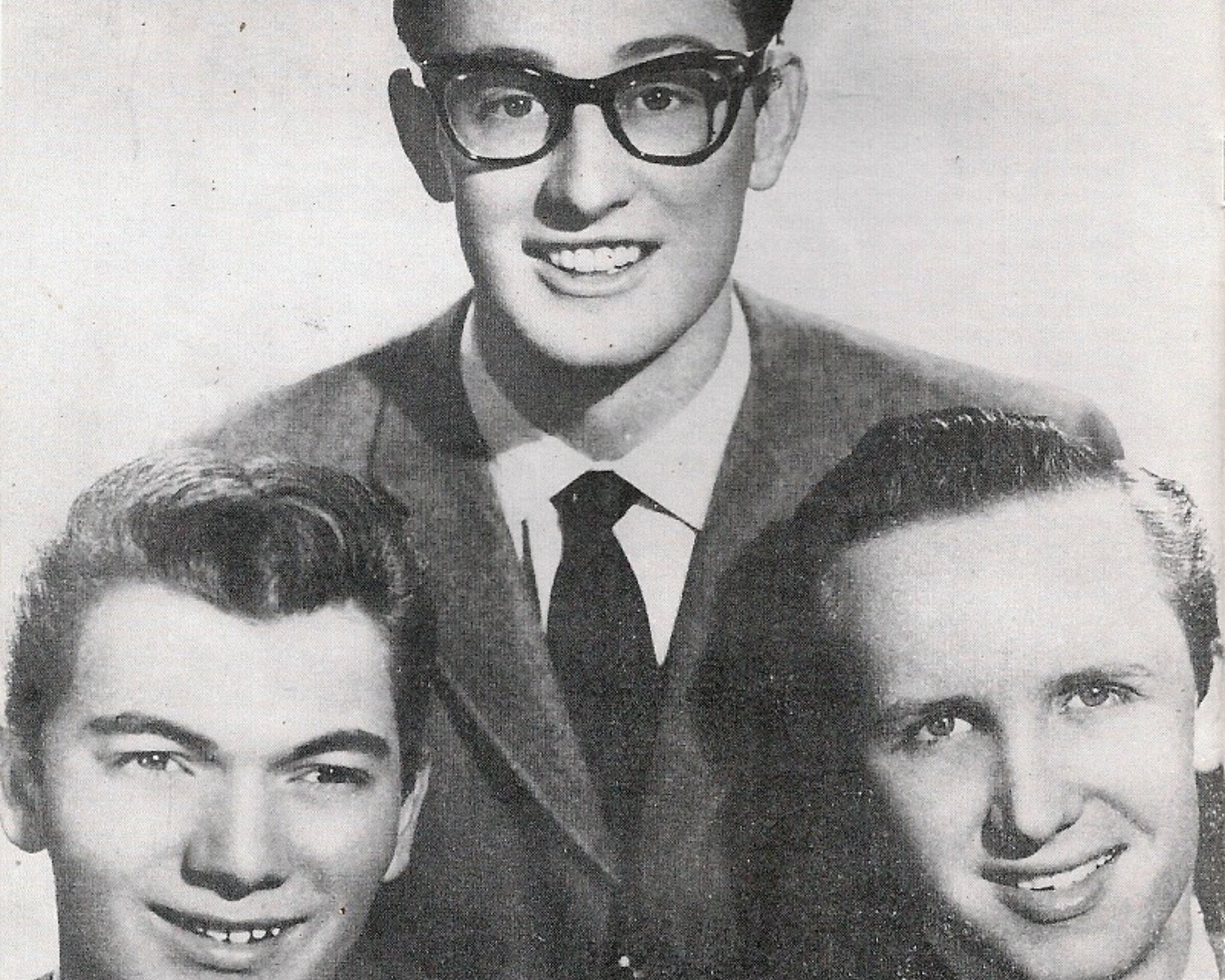
You feel the sudden silence of what might have been: three young stars—Buddy Holly, Ritchie Valens, and J.P. “The Big Bopper” Richardson—died in a small plane crash on February 3, 1959, a moment that changed the direction of rock ’n’ roll and left a gap fans still notice today. The crash near Clear Lake, Iowa eliminated three influential voices at the height of rising fame, altering tours, grieving communities, and the music scene for decades.
As the post unfolds, it will walk through the flight’s final hours and the Winter Dance Party tour context, profile each performer and what they meant to popular music, and trace how the wreck shaped cultural memory and the music industry’s response. You’ll see how a single night prompted ongoing questions, memorials, and a lasting legacy in songs and film.
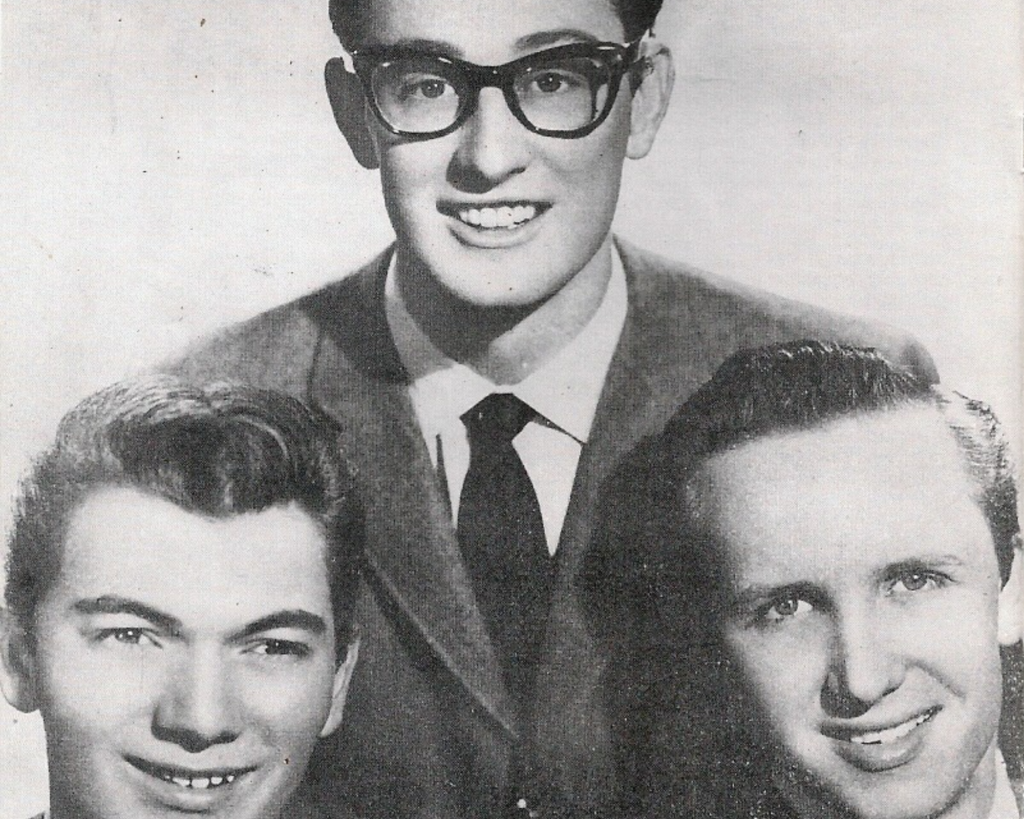
The 1959 Plane Crash: What Happened on ‘The Day the Music Died’
A chartered Beechcraft Bonanza left Mason City Municipal Airport in dense winter weather and crashed shortly after takeoff near Clear Lake, Iowa, killing the pilot and three musicians. The events include a rushed decision to charter, a fateful coin toss, and the immediate rescue and investigation at the crash site.
Events Leading Up to the Fatal Flight
The Winter Dance Party tour put strain on crews and equipment. After a February 2, 1959 show at the Surf Ballroom in Clear Lake, Iowa, the tour bus developed heating problems and left the musicians exhausted and cold. Buddy Holly arranged a small charter to reach the next stop in Moorhead, Minnesota, to avoid the long, uncomfortable overnight bus ride.
Pilot Roger Peterson, flying a single-engine Beechcraft Bonanza, met the group at Mason City Municipal Airport in the early morning hours of February 3. Weather reports showed low ceilings, light snow, and icing potential. The quick turnaround and late hour compressed decision-making, and the charter departed around 1:00 a.m.
The Coin Toss and Final Passenger List
Buddy Holly, escorted by his bandmates, initially took two seats on the three-seat plane. J.P. “The Big Bopper” Richardson complained of flu-like symptoms and wanted a seat to avoid the bus. Ritchie Valens, a rising star, also sought to escape the cramped bus. A coin toss between Ritchie Valens and the band’s guitarist determined who would take the final seat, with Valens winning the toss and boarding the plane.
The final manifest thus listed Buddy Holly, Ritchie Valens, J.P. Richardson, and pilot Roger Peterson. Several other musicians stayed behind and continued by bus. The coin toss has become emblematic: a single small decision that placed three prominent performers on that doomed flight.
Crash Site and Immediate Aftermath
The Beechcraft Bonanza crashed into cornfield terrain a few miles northwest of Clear Lake, Iowa, shortly after takeoff. First responders and local residents reached the scene before emergency services could fully organize. All four aboard died on impact; there were no survivors.
Local authorities recovered the wreckage and began an investigation into probable causes, including pilot spatial disorientation and poor weather conditions. The accident quickly dominated national headlines and led Don McLean to later call February 3, 1959 “The Day the Music Died” in his song “American Pie.” For the music world, the loss of Buddy Holly, Ritchie Valens, and J.P. Richardson removed three influential, ascending performers in a single tragic event.
The Stars Lost: Buddy Holly, Ritchie Valens, and the Big Bopper
Three influential young performers—each with a distinct sound, hit records, and growing national followings—died suddenly in a single accident. Their songs continued to shape rock’s direction, influence later artists, and cement scenes in Texas and New Mexico as formative places for early rock and roll.
Buddy Holly’s Life, Music, and Legacy
Buddy Holly led The Crickets and rewrote expectations for singer-songwriters in rock and roll. He wrote and recorded hits like That’ll Be the Day and Peggy Sue, blending country roots with a clear, rhythmic guitar sound. Holly produced tight three-minute songs with inventive arrangements and close harmony that inspired the Beatles and Bob Dylan.
He championed studio experimentation—double-tracking his voice, unusual chord changes, and economical production—that later became staples of pop and rock records. At 22, Holly’s death froze a catalog that was small but intensely influential. The Crickets’ lineup and Holly’s image as a songwriter-performer made him a model for bands that followed.
Ritchie Valens’ Rise to Fame
Ritchie Valens burst onto the scene as a teenage phenom from California who brought Mexican folk elements into mainstream rock. He had rapid national success with Donna and his adaptation of La Bamba, which turned a Veracruz folk song into a rock hit that crossed cultural lines. Valens’s recordings layered flamenco-like rhythmic patterns over rockabilly energy.
He recorded only a handful of singles before his death at 17, but those tracks showed melodic inventiveness and a charisma that appealed to diverse audiences. Valens’s crossover success opened doors for Latino artists in American popular music and left La Bamba as an enduring emblem of cultural fusion in early rock.
The Big Bopper’s Influence on Rock and Radio
J.P. “The Big Bopper” Richardson came to national attention first as a radio DJ and songwriter, then as a performer with a larger-than-life persona. His hit Chantilly Lace showcased playful, spoken-word interjections and rockabilly swagger that brought humor and character to recordings. Richardson’s background in radio helped shape how rock acts marketed themselves.
He also contributed to the showmanship of rock and roll, using on-record patter and stage banter that made singles feel immediate and personal. At 28, his combination of DJ skills, songwriting, and performance broadened rock’s entertainment style and influenced how artists used personality as part of their appeal.
Relevant reading on the crash and its cultural aftermath appears in contemporary historical accounts and archives, including detailed timelines and biographies.
The Winter Dance Party Tour and Those Left Behind
The Winter Dance Party tour ran through bitter weather, cramped buses, and mounting fatigue. Several musicians faced illness, mechanical troubles, and tense decisions that shaped the final hours before the crash.
Tour Conditions and Struggles
The 24‑date Winter Dance Party pushed artists across the Midwest in January–February 1959. Cold roads and unreliable buses forced long overnight drives between towns like Clear Lake, Mason City, and other small venues. Promoters arranged a Beechcraft Bonanza to ease travel after one bus’s heater failed and drummer Carl Bunch fell ill from the cramped, freezing ride.
Musicians dealt with short sets and tight schedules. Waylon Jennings and guitarist Tommy Allsup rode the tour as backing musicians; Jennings later recounted how fatigue and boxy tour logistics worsened morale. Medical issues and a lack of restful accommodations compounded stress, leaving some artists, including members of Dion and the Belmonts, to question continuing under such conditions.
Bandmates and Artists Who Escaped Tragedy
Several performers avoided the flight and survived to continue careers. Waylon Jennings gave up his seat on the plane and stayed with the band to travel by bus. Tommy Allsup lost his coin toss to Ritchie Valens and remained behind; he later reflected on the narrowness of chance. Bobby Vee, then an unknown local musician, performed an impromptu set at the Surf Ballroom after the crash and gained early exposure.
Others like Frankie Sardo and members of Dion and the Belmonts continued the tour amid shock. Maria Elena Holly, Buddy Holly’s wife, was not on the trip and became a central figure in managing his estate and public memory. The sudden losses left surviving artists to manage grief while keeping shows going and honoring friendships.
Impact on the Remaining Tour and Replacement Acts
Promoters scrambled to fulfill remaining dates after the crash. Organizers booked replacement acts—local talents and rising names such as Fabian, Frankie Avalon, and Jimmy Clanton—to fill holes on the bill. These quick bookings aimed to respect ticket buyers while acknowledging the emptied lineup.
Back‑up musicians and managers rearranged sets and contracts on short notice. Some shows went forward with reduced programs; others added tributes. The Surf Ballroom and local promoters focused on logistics and crowd control, while families and tour staff dealt with practicalities like transporting remains and notifying next of kin. The patchwork of replacements and benefit shows shaped immediate public memory and helped launch or boost careers for a few who stepped in.
Aftermath, Cultural Impact, and Lasting Legacy
The crash ended three rising careers and created lasting ripples across popular culture, memorial sites, and how tours were run. The following paragraphs describe how one song cemented the phrase “the day the music died,” how fans and artists remember the victims, and how the industry changed afterward.
‘American Pie’ and Immortalizing the Day
Don McLean’s 1971 song “American Pie” turned the February 3, 1959 crash into a cultural touchstone by naming it “the day the music died.”
McLean used specific images and an elegiac tone to link the deaths of Buddy Holly, Ritchie Valens, and J.P. “The Big Bopper” Richardson to broader shifts in American pop culture. The lyric’s phrase entered public language and made the event a symbol for a perceived loss of innocence in 1960s America.
The song’s commercial success—multi-platinum sales and enduring radio play—kept public attention on the crash for decades. Later artists and commentators reference “American Pie” when discussing the event, which helped maintain the musicians’ profiles across generations.
Tributes, Memorials, and Annual Concerts
Fans and communities created physical and musical memorials to keep the three artists’ memories alive. A stainless-steel guitar sculpture and a pair of glasses mark the crash site near Clear Lake, Iowa, and the Surf Ballroom—where the musicians played their last show—hosts annual tributes that draw historians and fans alike.
The Surf Ballroom’s commemorations often include performances by tribute bands and occasional appearances from established acts. For example, the biopic The Buddy Holly Story and cover albums by artists like Los Lobos helped reintroduce the songs to new audiences.
Inductions and honors also reinforced legacy: Buddy Holly’s early induction into the Rock & Roll Hall of Fame recognized his influence, while anniversary concerts and museum exhibits spotlight Valens and Richardson. These public remembrances sustain record sales, museum interest, and annual pilgrimage tourism to Clear Lake.
How the Crash Changed Music History
The crash prompted immediate and long-term changes in touring logistics and artist safety. Promoters and managers reconsidered bus and charter arrangements after the Winter Dance Party exposed hazardous travel conditions, leading to stricter scheduling, better-maintained vehicles, and more attention to pilot and aircraft safety for small charters.
Artistically, the sudden loss of three innovative performers shifted trajectories: Buddy Holly’s songwriting and studio techniques influenced the Beatles and other British Invasion acts; Ritchie Valens’ success opened doors for Latino artists in rock; and The Big Bopper’s radio-to-recording path showcased crossover potential for personalities in media.
Culturally, the phrase “the day the music died” became shorthand in music history texts and museum exhibits when discussing ruptures in popular music. That language, popularized by McLean’s song, shapes how educators and critics frame mid-20th-century shifts in rock & roll.
More from Vinyl and Velvet:

Leave a Reply