


A teen who asked her best friend’s ex out, then snapped “you do not get to control who I date,” has wandered into one of the most emotionally loaded gray areas in adolescent life. The fallout is not just about one forgotten promise; it is about clashing ideas of loyalty, autonomy, and what friendship is supposed to protect. As the argument spills into group chats and social feeds, it shows how fragile teenage bonds can be when romance and unspoken rules collide.
Behind the drama sits a familiar dilemma: does anyone ever have the right to claim an ex, or is every past relationship fair game once it ends? Therapists, advice forums, and even romance fiction all suggest the same answer: it depends entirely on context, consent, and how both people handle the conversation long before a first date is on the calendar.
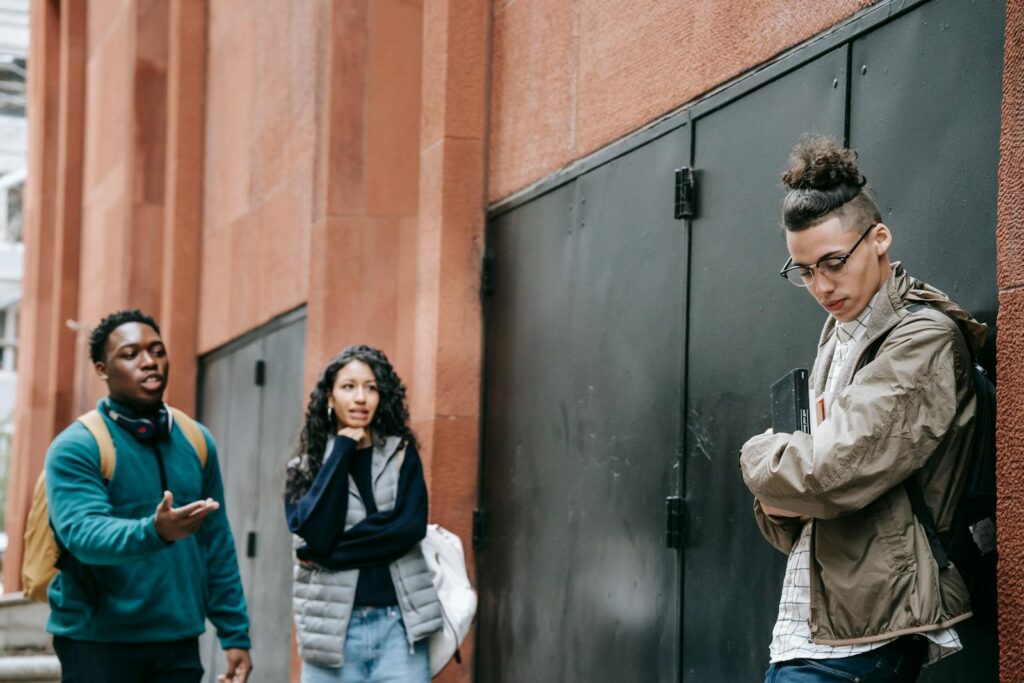
When “Girl Code” Meets Real Feelings
In many friend groups, there is an informal rule that exes are off limits, especially in the intense emotional world of teenagers. Mental health experts describe how dating a friend’s former partner can feel like a betrayal of trust, particularly when the breakup involved cheating, emotional abuse, or a long, serious relationship. One clinical perspective explains that dating a friend’s is most fraught when there was a clear power imbalance or trauma, since the friend may experience the new couple as siding with the person who hurt them. In that light, the teen’s forgotten promise to avoid the ex is not a small oversight; it is a broken boundary around a painful chapter.
At the same time, adolescents are also testing their independence and sense of romantic choice. The teen’s line, “you do not get to control who I date,” echoes a common refrain in adult advice spaces where commenters insist that a friend is not entitled to dictate someone else’s love life. One widely shared post about a cheating ex and a former best friend bluntly states that get to control who another person dates, and that trying to do so can itself be a red flag. The tension between those two truths, that friends deserve care and that individuals own their choices, is exactly where this teen conflict is stuck.
Why The Fallout Hurts So Much
For the friend who watched an ex become a new romantic interest, the pain is rarely just jealousy. Relationship coaches note that seeing an ex move on can trigger a flood of unresolved grief, especially when that ex is suddenly with someone from the inner circle. Guidance on coping with an ex’s new relationship stresses that watching ex being with often reactivates old wounds about rejection, self-worth, and whether the past relationship was ever understood. When the “someone else” is a best friend, those questions multiply, because the friend was supposed to be a safe witness to that history, not a participant in rewriting it.
The sense of loss can be even sharper for teenagers, whose identities are still forming around their closest friendships. A parent writing about a daughter who was suddenly dropped by a peer describes how, for teens, losing a friend can feel like losing part of their social world and even their own reflection. In that account, the message “Hi Faith, I am sorry to hear your daughter is hurting after being dropped by a friend” acknowledges that when a best friend steps away, loss is that because so many daily routines and confidences are bound up in that one relationship. For the teen whose ex is now in the group again, but on someone else’s arm, the friendship rupture may feel like a double breakup happening all at once.
Promises, Privacy, And The Social Media Amplifier
The teen at the center of this story insists that an old promise to avoid the ex simply slipped their mind. That claim might be sincere, yet it does little to soothe a friend who remembers every late-night rant and tearful phone call. Online discussions where someone discovers a close friend secretly dating an ex often describe the secrecy itself as the deepest cut, with posters asking what others would do if they learned a very close friend. A recurring theme is that people feel robbed of the chance to process, to set conditions, or even to say no, before the relationship is presented as a fait accompli.
Once the argument spills online, the stakes shift again. Viral culture rewards outrage, and conflicts around dating and friendship travel fast on TikTok, Instagram, and newer platforms. One creator describes how the viral nature of, especially those tagged with #momsoft, #truecrime, and #viralvideo, pulls strangers into judgment and commentary. For teens, that means a private misstep can quickly become a public morality play, with peers taking sides based on a few screenshots and a single quoted line about not controlling who someone dates.
More from Vinyl and Velvet:

Leave a Reply