

Taylor Swift is once again sitting just shy of a crown that seems tailor‑made for her. After a decade of dominance on charts, tours, and timelines, she has been named the second greatest pop star of 2025 instead of taking the top slot. For an artist routinely described as the defining pop figure of her era, the near miss says less about her slipping and more about how crowded and competitive the modern pop universe has become.
It also fits a pattern. Swift has repeatedly been framed as the obvious answer to the “greatest pop star” question, only to watch someone else’s name get etched on the trophy. The tension between her overwhelming cultural footprint and these recurring runner‑up finishes has turned a niche editorial exercise into a running referendum on what pop greatness even means.
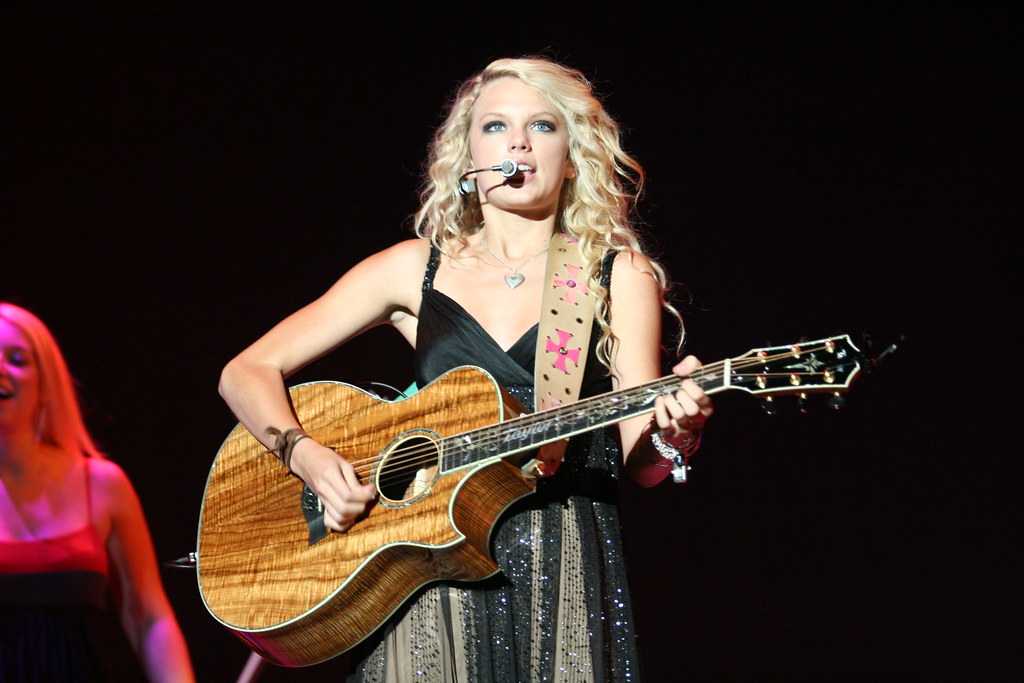
Perpetual runner‑up in a list she dominates anyway
On paper, Taylor Swift has the kind of résumé that usually ends arguments, not sparks them. She has stacked the 2020s with United States number one singles like “Cardigan”, “Willow”, “All Too Well”, “Anti‑Hero” and “Cruel Summer”, a run of hits that would normally lock in any “greatest” label. That chart record underpins the latest write‑up that places her at No. 2 on the 2025 list, with the piece describing her as the biggest pop star of this decade so far and still framing her as the central figure in the project’s ongoing countdown of each year’s standout act, according to the detailed profile of her 2025 ranking.
The new placement is not a one‑off. A Facebook post spelling out that Billboard has named also reminds fans that she was previously crowned the No. 1 Greatest Pop Star of 2023, underscoring how often she hovers at or near the summit. Another excerpt from the same post notes that Taylor Swift has, which only sharpens the sting when she lands second in a broader, more historical framing.
Her relationship with this ranking project goes back years. A feature on her earlier run through the list, which tracked her ascent as a pop force, laid out how she first claimed the annual title and then kept returning as a central character in the evolving canon of Greatest Pop Stars. That history is why fans treat each new list like a verdict on her legacy, not just a snapshot of a single year.
Why Swift keeps getting edged out at the finish line
The latest snub comes with a specific explanation. In a fan‑circulated clip, Billboard deputy editor breaks down why she landed at No. 2 instead of No. 1 on the 2025 list, pointing to the absence of a single “massive, massive global hit” on the scale of her biggest smashes. The argument is not that Swift underperformed, but that the very top slot is reserved for the artist who pairs cultural ubiquity with one undeniable, era‑defining song in that specific year.
That nuance has not stopped the discourse. A Reddit thread bluntly titled to note that Billboard just named captures the fan frustration, especially because she is slotted “right below Bad Bunny.” A separate fan account spells it out even more plainly, stating that Taylor Swift has of the year while still being described as a towering presence in music and pop culture.
The official social rollout leans into that framing. An Instagram post from the list’s organizers spells out that @taylorswift is Billboard’s, while another version of the same post highlights that the “biggest pop star of the 2020s” still had “another year of undeniable dominance,” as seen in the extended write‑up on the Greatest Pop Star project. A separate fan page, reacting to the news that Billboard names Taylor, sums up the emotional split in four words: “She’s the best to me.”
The crowded throne room of 21st‑century pop
Part of why Swift keeps brushing against, rather than locking down, the “greatest” label is that she is sharing the era with other heavyweights. A widely shared explanation of a separate ranking notes that Billboard explains why, spelling out that Beyonce has officially been named the #1 Greatest Pop Star of the 21st Century by Billboard, beating out runner‑up Taylor Swift. That decision sits alongside the broader cultural footprint of Beyoncé, whose own decades‑long run of hits and reinventions makes her a natural rival in any all‑time conversation.
More from Vinyl and Velvet:

Leave a Reply