

You feel the tension the moment a major star stays silent during a crisis. Social posts and headlines quickly frame silence as choice, and that framing has sparked fresh backlash toward Taylor Swift as she promotes her new “Opalite” music video while others speak out about ICE actions.
Taylor Swift’s promotional activity during this moment of public debate has prompted many to expect a public stance from her, and that expectation drives much of the current criticism. The next sections will unpack the specific complaints, how social platforms amplify pressure, and what the episode reveals about celebrity activism today.
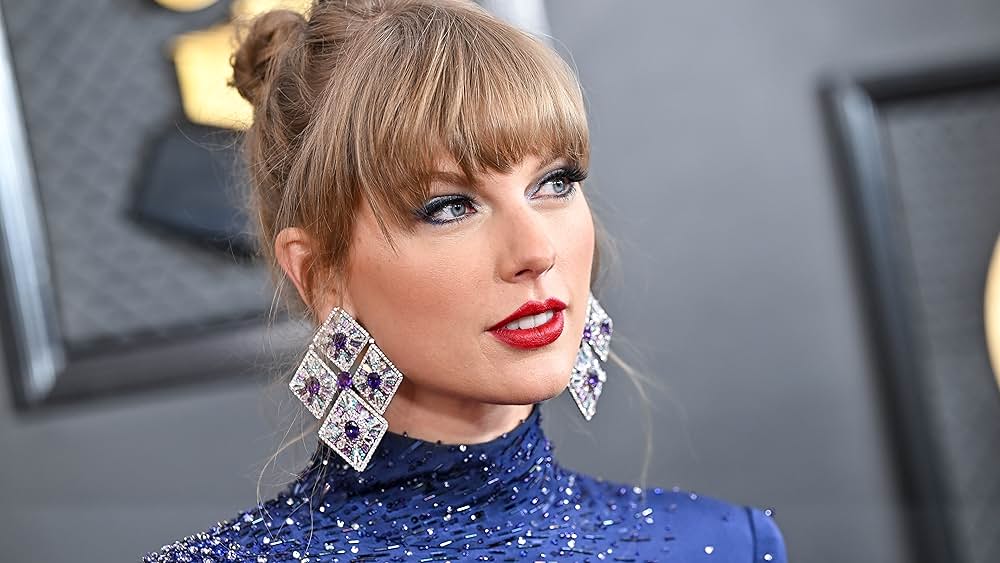
Backlash Surrounding Taylor Swift’s Silence on ICE
Taylor Swift faced rapid online criticism after releasing promotional material tied to The Life of a Showgirl while activists and peers called attention to recent ICE‑related deaths. Fans and critics contrasted her marketing rollout with expectations that high‑profile artists address urgent political events.
Timeline of Events Leading to the Backlash
Swift released the “Opalite” music video and continued merchandising for The Life of a Showgirl in early February 2026. Promotional elements included new vinyl variants and a city treasure‑hunt activation; these visible marketing moves coincided with public outcry over recent ICE actions and reported fatalities.
Social posts calling for celebrities to respond appeared within days. Viral threads and posts noted the overlap between her promotional calendar and mounting protests, amplifying pressure on Swift to comment. Media outlets began reporting on the tension between her commercial activity and activists’ demands.
Fan Reactions and Social Media Discussions
Swifties split publicly: some defended her right to focus on art and business, while others expressed disappointment and urged moral leadership. On Threads and Reddit, fans posted directly criticizing the timing of additional vinyl drops and the “Opalite” launch, arguing resources or statements could have been redirected.
Other fans framed the debate around personal safety and representation, especially for Swifties who are immigrants or people of color. Comments ranged from calls for temporary boycott to nuanced pleas for context and solidarity, producing a heated, persistent online conversation.
Comparisons to Other Artists Speaking Out
Observers compared Swift’s silence to peers who immediately condemned ICE activity. Artists like Bad Bunny and Billie Eilish had publicly spoken on immigration issues, creating a benchmark many used to measure Swift’s response time.
These comparisons intensified scrutiny because Swift previously used public statements in past political moments. Analysts highlighted that peers’ direct condemnations made Swift’s discretion more conspicuous, fueling arguments that her choices reflected differing approaches to activism and influence.
Impact on Taylor Swift’s Public Image
The episode strained Swift’s carefully managed public persona, prompting questions about where she positions herself on civic issues. For some longtime fans, repeated silence during crises chipped at trust; for others, her commercial success and artistic control remained paramount.
Public-relations observers noted potential reputational risks if the backlash persists, particularly among younger Swifties and politically engaged listeners. At the same time, a counter‑segment of fans continued to support her artistic output, limiting immediate measurable damage to sales or streaming.
Celebrity Activism and Expectations in the Era of Social Media
Public expectations for artists now combine moral pressure, rapid viral amplification, and strategic career calculations. Fans, media, and political actors respond within hours to silence or statements, affecting reputation, streaming numbers, and tour narratives.
The Role of Major Artists in Political Discourse
Major artists shape public debate by using millions-strong platforms to endorse candidates, promote causes, or mobilize voters. Taylor Swift’s past endorsements and public interventions illustrate how a single post can shift news cycles and voter attention; similarly, Bad Bunny’s public stances in Latin America demonstrate cross-border cultural influence.
Labels, promoters, and corporate partners weigh in, since activism can affect brand deals and ticket sales. Artists must decide whether to issue direct policy demands, make charitable gestures, or remain neutral; each choice carries measurable consequences for engagement and income. Social media accelerates these effects: a short statement can reach international audiences, and silence can be interpreted as tacit approval or avoidance.
Responses from Olivia Rodrigo, Billie Eilish, and Sabrina Carpenter
Younger pop stars often face immediate calls to comment when peers stay silent on crises. Olivia Rodrigo, Billie Eilish, and Sabrina Carpenter receive intense scrutiny because their fanbases are politically active and digitally organized. Their responses range from explicit endorsements to carefully worded empathy posts, reflecting different risk tolerances and management strategies.
Rodrigo tends to prioritize direct fan engagement and occasional political statements tied to voter turnout. Eilish balances activism with privacy concerns, using music and curated campaigns to highlight climate and human-rights issues. Carpenter often emphasizes mental-health and community welfare while avoiding polarizing foreign-policy declarations. Each approach signals to fans what types of civic action the artist encourages and how they navigate safety and backlash.
White House TikTok and the Use of Artists’ Music
Government social accounts increasingly use popular music to reach young voters; the White House TikTok has employed licensed tracks and viral audio to explain policy. This practice raises questions about consent, royalties, and perceived endorsement when an artist’s catalog backs an official message.
Disputes have emerged when music appears without explicit artist approval, or when an artist’s neutral stance is seen as tacit support for a policy. Platforms mediate licensing, yet copyright and public-relations fallout can follow. The tension grows when an artist’s silence meets government use of their songs, prompting fan-led campaigns and public statements demanding clarity on whether a song’s use equals endorsement.
Debates Over Responsibility and Safety for Public Figures
Expectations that artists speak on every crisis collide with safety risks, legal exposure, and personal boundaries. Public figures weigh the moral imperative to comment against threats, doxxing, and targeted harassment that can follow political pronouncements. High-profile cases linked to figures like Donald Trump have intensified the stakes for artists who enter partisan debates.
Critics argue that fame confers responsibility to use influence for good; defenders note that not all artists hold expertise on complex foreign-policy situations. Management teams increasingly advise selective engagement: endorse clear democratic processes, support humanitarian relief, and avoid partisan endorsements when risk outweighs impact. Fans, however, often demand immediate clarity, turning nonresponse into political currency.
More from Vinyl and Velvet:

Leave a Reply