

Michael Fiddelke moved quickly after taking the helm at Target, and his first major shake-up already signals a clear shift in priorities. You should expect sharper merchandising leadership and faster operational changes as he installs new executives and simplifies reporting to accelerate growth.
This choice of an insider turned heads in the business press and among industry analysts, who see the move as a test of whether Target can regain lost momentum in apparel, home goods and other categories. Coverage of the leadership reshuffle and its potential effects appears across outlets tracking Target’s strategy and future performance.
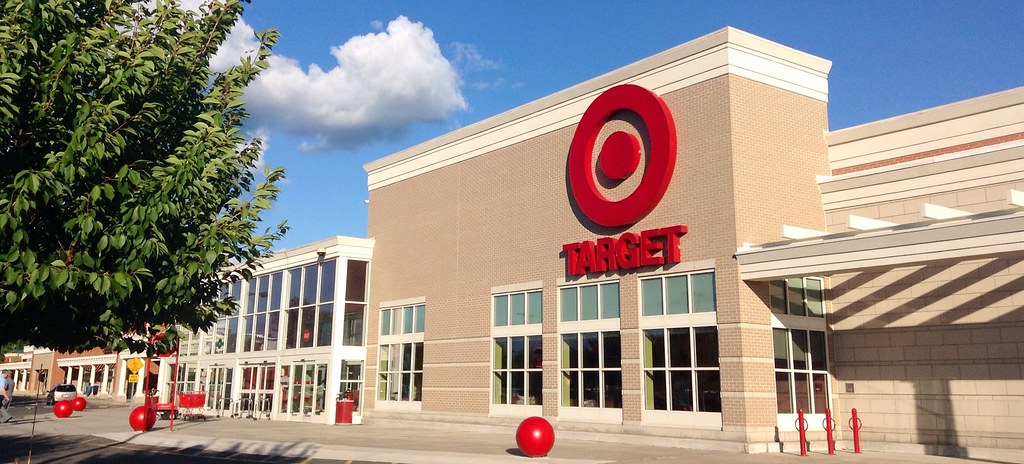
Target’s New CEO Michael Fiddelke: Leadership Changes and Immediate Impact
Michael Fiddelke moved quickly to restructure Target’s senior team, realign merchandising authority, and signal a sharper focus on store execution and guest experience. The moves pair internal promotions with departures of long-tenured executives and prompted near-term cost and organizational shifts that Wall Street is parsing for impact on earnings and operational performance.
Michael Fiddelke’s Background and Vision
Fiddelke took the CEO role at Target in early February 2026 after a career in retail leadership and governance that investors expected to bring operational discipline. He told employees he would prioritize merchandising authority, store-level execution, and clearer accountability across functions.
He emphasized restoring guest trust and improving speed-to-shelf as core objectives. Fiddelke framed change as urgent, setting a roadmap that includes public targets and a Financial Community Meeting in March where he will lay out timelines and financial priorities.
Key Executive Appointments and Departures
Fiddelke promoted Cara Sylvester to chief merchandising officer and named Lisa Roath chief operating officer, consolidating merchandising and operations under leaders with deep category and store experience. Sylvester moves from chief guest experience officer to a role designed to centralize product development, assortment, and partner collaborations.
Roath’s shift from food, essentials and beauty merchandising to COO signals a push to better integrate supply chain, stores, and merchandising execution. Target also announced the departures of Rick Gomez, the chief commercial officer, and the pending retirement of Jill Sando, long-time chief merchandising officer for apparel and home. Both will assist through transition periods.
- Cara Sylvester — Chief Merchandising Officer (new)
- Lisa Roath — Chief Operating Officer (new)
- Rick Gomez — Departing Chief Commercial Officer
- Jill Sando — Retiring Chief Merchandising Officer (apparel/home)
These changes coincide with reported layoffs of roughly 500 employees and a reorganization intended to simplify reporting lines at the Minneapolis-based retailer. The company maintained prior fourth-quarter and full-year guidance while making the announcements.
Reactions From Industry Analysts and Wall Street
Analysts described Fiddelke’s rapid moves as a signal that Target will tighten operational controls and accelerate investments in stores and merchandising authority. Some market commentators pointed to the leadership shake-up as necessary after operational struggles, while others flagged near-term execution risk as new leaders assume expanded roles.
Wall Street attention centered on how the changes affect margins, inventory turns, and sales growth at a time when investors watch TGT for recovery signs. Broker notes and media coverage highlighted the March Financial Community Meeting as a key event for earnings guidance and measurable targets tied to these leadership changes.
How Target’s Bold Shift Signals Broader Changes for Shoppers and Retail
Target is reallocating people and leadership toward stores, merchandising, and operations while also boosting investments in tech and supply chain. These moves aim to make stores cleaner, keep key categories like food and beauty in stock, and speed up online fulfillment.
Focus on Stores, Merchandising, and the Guest Experience
Target is putting merchandising leaders in charge to tighten assortment and elevate style across clothing, accessories, bedding, and home. That means faster product cycles, clearer in-store presentation, and more exclusive or own-brand items in apparel and beauty to drive loyalty.
Stores will get more frontline staff and managers focused on checkout flow and on-shelf availability. Guests should see fewer out-of-stock TVs, health and exercise items, and grocery SKUs, and shorter lines during peak hours. The change also signals a shift from using stores mainly as fulfillment hubs to prioritizing the physical shopping experience.
Investing in Tech, Supply Chain, and Digital Shopping
Target plans targeted tech upgrades — more automation in distribution centers, better inventory forecasting using AI, and improved mobile checkout. Those investments aim to reduce stockouts caused by supply-chain bottlenecks and inflation-driven cost pressures, while also offsetting tariff-driven supplier shifts.
Faster restocking for food, beauty, and essentials will support same-day pickup and delivery reliability. Distribution changes may trim some corporate or back-office roles but should speed fulfillment of digital orders and lower shrink for high-demand categories like TVs and seasonal exercise gear.
Comparing Moves With Walmart and Broader Industry Trends
Like Walmart, Target is balancing price, assortment, and convenience while leaning into stores as experience centers. Walmart has long emphasized low prices and logistics scale; Target’s tilt toward merchandising and elevated store experience differentiates it by focusing on style and guest experience.
Industrywide, retailers respond to tighter consumer budgets by investing in AI-driven inventory, better in-store service, and category specialization (food, beauty, home). If Target executes, competitors may match store staffing and merchandising bets to defend market share, especially in apparel, accessories, and everyday essentials.
More from Vinyl and Velvet:

Leave a Reply