

You get a rare behind-the-scenes moment where Hollywood nostalgia collides with awkward reality: Sophie Turner and Kit Harington admitted they gagged after filming a kissing scene for their new horror movie, saying it felt “very wrong” after years of friendship and playing siblings. If you’ve ever wondered how actors handle swapping longtime platonic chemistry for on‑screen romance, this is the candid moment that answers it.
They both laughed off the discomfort on set, and the clip went viral as fans watched two former Game of Thrones co-stars face a strange, personal challenge while shooting The Dreadful. The piece ahead explores why the scene felt so unsettling for them, how the actors handled the shift from Stark family ties to Gothic lovers, and what that reveal says about on‑set dynamics and audience expectations.
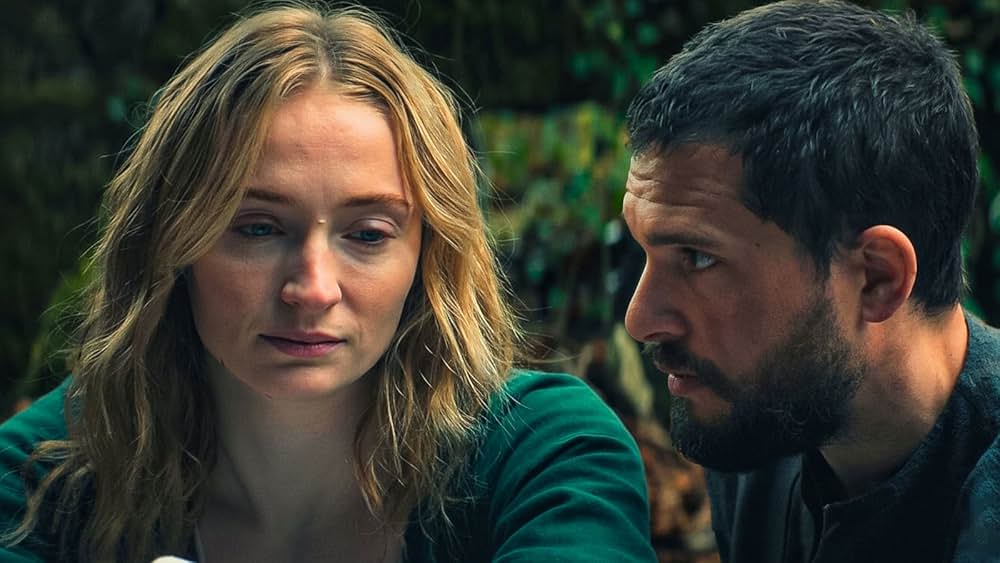
Sophie Turner and Kit Harington’s Awkward Kissing Scene in The Dreadful
Sophie Turner and Kit Harington reunited onscreen for The Dreadful and immediately faced an awkward moment when a passionate scene turned into visible discomfort. The next paragraphs explain why the kiss felt wrong to both actors, how they reacted on set, and how their Game of Thrones history shaped the moment.
Why Filming the Kiss Felt ‘Very Wrong’
Turner and Harington said the kiss felt wrong because they spent eight years playing siblings Sansa Stark and Jon Snow on Game of Thrones. That long association made a romantic embrace feel oddly intimate for both performers. Turner described the experience to Seth Meyers as “vile,” stressing the cognitive dissonance of switching from familial chemistry to lovers.
Physical factors added to the awkwardness. Harington needed an apple box to match Turner’s height, which he called embarrassing, and both actors admitted the scene tested their comfort zones. The Dreadful’s historical setting and new character dynamics required genuine intimacy, but prior on-screen roles made the action mentally uncomfortable. This mix of past roles and practical staging explains why the moment landed as jarring.
Behind-the-Scenes Reactions from Turner and Harington
A behind-the-scenes clip shared by Entertainment Tonight captured the immediate reaction: after the director yelled “cut,” Harington pretended to gag and Turner followed suit. Crew laughter punctuated the moment, showing the actors used humor to defuse awkwardness. The short clip circulated widely and framed the reaction as playful rather than hostile.
Both spoke candidly in interviews. Turner emphasized the oddness on Late Night with Seth Meyers, while Harington told E! News the rehearsals and camera angles helped them navigate the scene. Their gagging acted as a safety valve—an honest, human response that resonated with fans who remember their Stark-era bond. The public sharing of the clip kept the tone light and highlighted their continued friendship offscreen.
How Their Game of Thrones History Influenced the Scene
Their shared history as Sansa and Jon created a built-in audience reaction before filming began. Fans associated Turner and Harington with a non-romantic, familial relationship, which made any romantic pairing in The Dreadful feel transgressive to viewers and to the actors themselves. That context amplified personal discomfort during filming.
The actors used that history deliberately. Turner reportedly sent Harington the script, and both acknowledged initial uncertainty about romantic scenes. Their willingness to discuss the awkwardness publicly leaned on transparency: they respected fans’ memories while treating new characters—Anne and Jago—as separate. The result shows how past roles can shape present performances and behind-the-scenes behavior.
From Stark Siblings to Gothic Lovers: Reunion in The Dreadful
Turner and Harington swap medieval allegiances for a claustrophobic, 15th-century setting where their characters’ past and desire collide. The film leans into gothic horror tropes, a tense production atmosphere, and casting choices that deliberately play on audience expectations.
Plot and Setting of The Dreadful
The Dreadful unfolds during the Wars of the Roses, centering on Anne (Sophie Turner) whose quiet seaside life fractures when a figure from her past—played by Kit Harington—returns. The story mixes intimate psychological terror with period detail: crumbling manors, fog-bound cliffs, and ritualistic objects that cue dread rather than jump scares.
Scenes emphasize slow-building menace: whispered confrontations, lingering camera work, and a few violent ruptures that feel earned by character history. The film frames its main genre clearly as gothic horror, prioritizing atmosphere and historical texture over modern gore. Period props, like an apple box used on set for framing or height adjustments, show the production’s practical approach to authenticity.
Casting Decisions and On-Set Chemistry
Turner advocated for Harington’s casting, she insisted he be considered and he joined as a romantic lead. That choice intentionally subverts viewers who remember them as Sansa Stark and Jon Snow. The reunion relied on mutual trust built over years, but both actors described awkward moments—most notably a kissing scene that made them “gag” after years playing siblings.
Director Natasha Kermani worked with producers to balance the actors’ personal rapport and the film’s erotic tension. Supporting cast members such as Marcia Gay Harden, Jonathan Howard, and Laurence O’Fuarain anchor the world, adding gravitas without overshadowing the central, uneasy romance. The team leaned on rehearsals and blocking to manage intimacy while keeping performances emotionally specific.
Historic Roots and Inspiration
The Dreadful draws inspiration from late-medieval English history and gothic literature, using the Wars of the Roses as both backdrop and catalyst for characters’ loyalties and betrayals. The script weaves real historical instability into private horror: inheritance disputes, shifting allegiances, and the social constraints that shape Anne’s choices.
Visual and narrative cues nod to classic gothic influences—isolated estates, ancestral secrets, and moral decay—while avoiding pastiche. Costume and production design echo period sources, grounding supernatural or ambiguous elements in tangible history. The result feels like a historical horror film informed by political chaos as much as domestic dread.
Impact on Fans and Online Reactions
Fans reacted strongly across social platforms when trailers revealed the reunion, with many expressing discomfort at seeing former on-screen siblings as lovers. Coverage highlighted the oddness of the switch from Sansa Stark and Jon Snow to gothic lovers; headlines and social posts amplified the awkwardness the actors themselves described in interviews.
Reactions split: some praised the bold casting and curiosity about the creative gamble, while others found the intimacy jarring after HBO’s long-running Game of Thrones arc. Conversations also referenced other projects—like The Family Plan 2 or Daenerys Targaryen–related fandom threads—where actors’ past roles shape reception. Production teams tracked the buzz, knowing that controversy could both challenge expectations and draw attention to the film.
More from Vinyl and Velvet:

Leave a Reply