

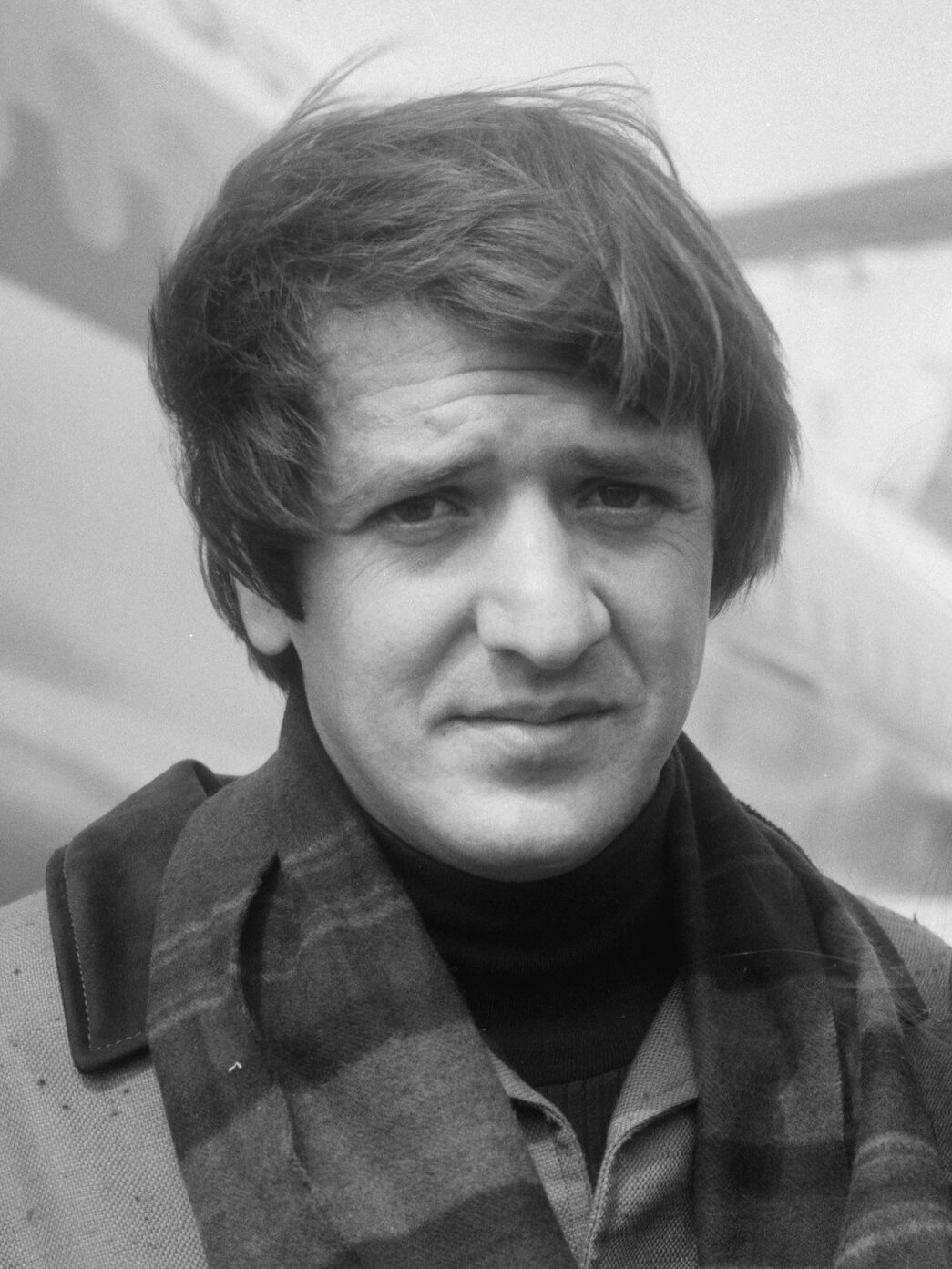
Sonny Bono’s death on the slopes hit like a gut punch, and the clinical language of his autopsy only sharpened that shock. The report laid out, in stark medical detail, how a seemingly ordinary ski run ended in massive trauma that doctors say killed him almost instantly. Those findings still shape how people talk about celebrity risk, personal responsibility on the mountain, and the thin line between a carefree winter vacation and catastrophe.
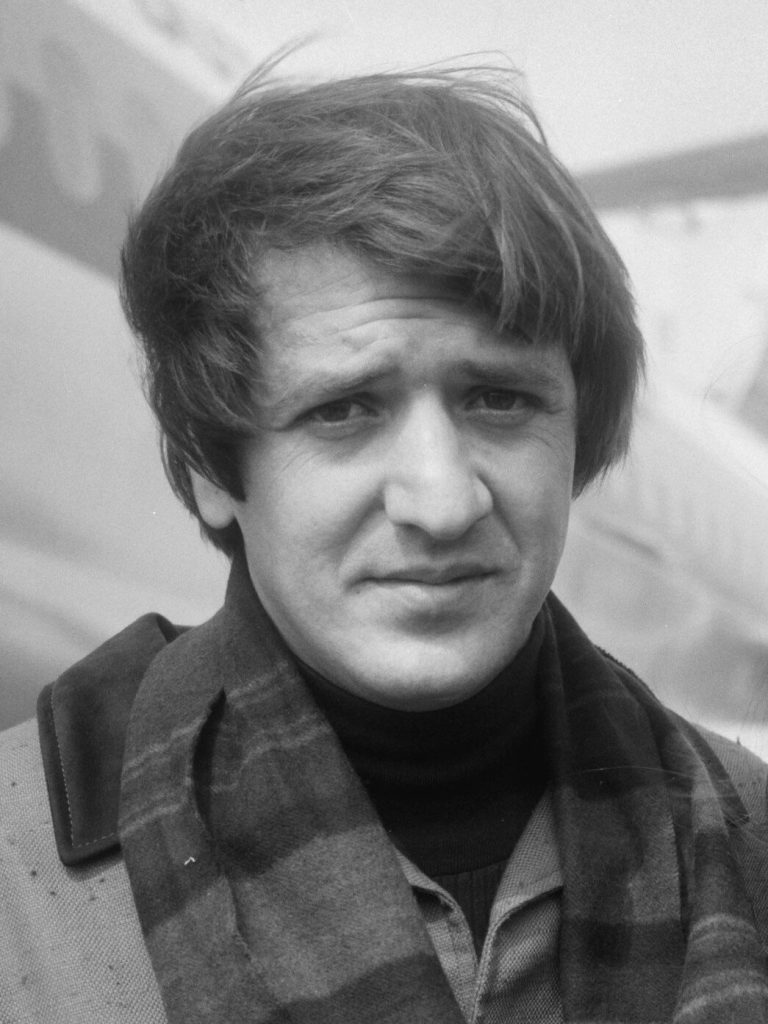
The final run and the search that followed
By the time rescuers reached Sonny Bono, the story of his last afternoon had already taken a grim turn. He had set out on what was described as an easy, intermediate run, the kind of slope recreational skiers tackle without much second thought. When he failed to return, the absence was first a worry, then a full search, and finally a discovery in the trees off that groomed trail, where his body was found after daylight had faded and the resort had largely quieted down.
Investigators later pieced together a basic sequence, even if no one actually saw the impact. They concluded that Bono, the former singer and TV performer turned politician, had veered off the marked path and struck a tree with enough force to cause catastrophic injuries. Officials stressed that there was no sign of foul play or a second party involved, only a violent collision on that intermediate run that left him beyond help by the time ski patrol arrived, a conclusion reflected in the official account of the accident.
Graphic autopsy findings and “immediate” death
The autopsy on Sonny Bono did not leave much room for ambiguity about what killed him. Examiners described massive head injuries, the kind of blunt force trauma that suggests a high speed impact with a fixed object. The damage was not limited to superficial cuts or fractures, but extended deep into the skull and brain, a pattern that, in the language of forensic medicine, is consistent with a single, devastating blow rather than a series of minor hits.
That level of trauma led the medical examiner to a stark conclusion, that Bono’s death was “immediate,” with no realistic window for rescue or lifesaving intervention once he hit the tree. Officials emphasized that there was no indication of stab or gunshot wounds, no hidden medical episode that sent him off course, only the brutal physics of a skier’s body meeting an immovable object at speed. The same report underscored that the body was found late in the day, reinforcing the sense that by the time searchers located him off that intermediate run, the outcome had already been sealed by those massive head injuries.
How investigators rule out darker possibilities
When a public figure dies suddenly, especially in a setting that can be chaotic like a ski slope, investigators know the rumor mill will fill any gaps they leave. That is why they move quickly to document what they can and, just as importantly, to spell out what they did not find. In Bono’s case, authorities were explicit that there was no sign of an attack, no evidence of a weapon, and no competing narrative that suggested anything other than a tragic accident in the trees.
That approach mirrors how law enforcement now handles other high profile, unexplained deaths. In a separate case involving a missing teenager named Giova, a sheriff publicly noted that there were no stab or gunshot wounds on the body, a detail shared even as the broader cause and manner of death remained under investigation. The same official declined to speculate beyond the physical evidence, a restraint that echoed through coverage that also referenced a segment titled Culture Watch: Are You Ready for the Olympics, and underscored how carefully worded updates can tamp down wild theories while the facts are still being sorted, as seen in reporting on Giova’s final moments.
Why the clinical details still matter
For fans who remember Sonny Bono from variety shows and pop duets, the language of an autopsy can feel jarringly cold, but those clinical details have real world consequences. They inform how ski resorts think about tree wells and off paste hazards, how helmet campaigns frame their messaging, and how families weigh the risks of sending kids down “easy” runs that can still hide unforgiving obstacles. When a report spells out that a single impact caused massive head injuries and instant death, it strips away the comforting idea that only extreme terrain or reckless behaviour leads to tragedy.
Those findings also shape the legal and cultural aftershocks. Clear documentation that there were no stab or gunshot wounds, no second party involved, and no lingering chance of survival narrows the space for lawsuits and conspiracy theories, and it lets the public conversation move toward prevention instead of blame. In that sense, the graphic specifics of Bono’s autopsy do more than satisfy morbid curiosity, they anchor the story in verifiable fact, reminding people that even a familiar face on an intermediate run is subject to the same unforgiving rules of gravity, speed, and impact as everyone else on the mountain.
More from Vinyl and Velvet:

Leave a Reply