

OnlyFans creator Annie Knight has found a new way to monetize her online fame, and it is not through another subscription tier or merch drop. She says she now charges fans $1,700 for in-person dates, pitching the experience as a kind of real-world coaching session to help men gain confidence with dating. The move folds her existing persona as a sexually open influencer into a more hands-on, and highly priced, service.
Her pitch is simple: spend time with a woman who already lives inside your phone, then walk away with better flirting skills and a story to tell. Wrapped in that promise is a bigger conversation about parasocial relationships, the economics of OnlyFans, and what happens when intimacy, coaching, and cash all collide in the same booking.
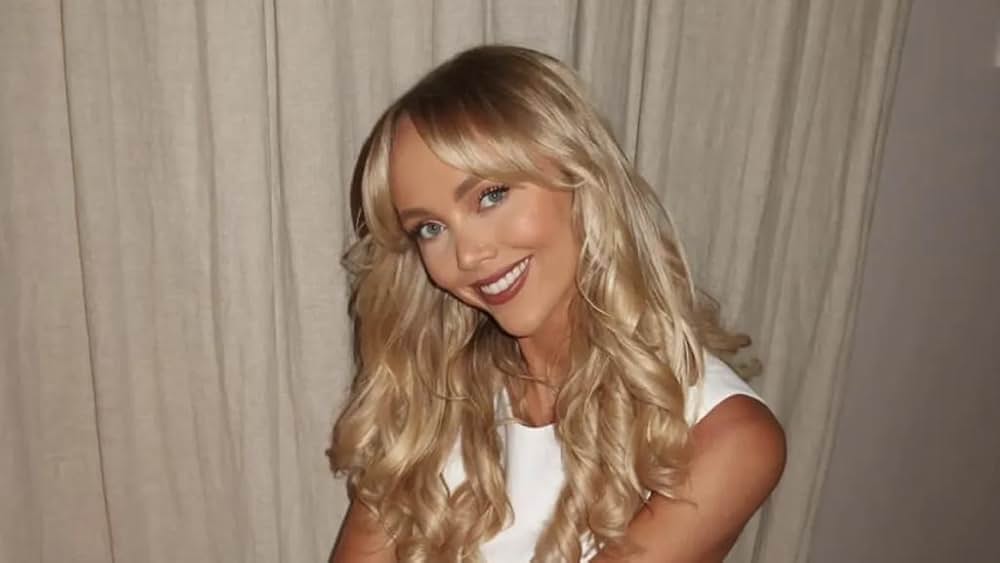
The price tag that grabbed everyone’s attention
The number that made people stop scrolling is the fee Annie Knight says she charges for a single hour of her time. She has set the base rate at $1,700 for a one-hour date, a figure that instantly pushes the experience out of the realm of casual coffee and into luxury purchase territory. By framing the outing as a structured session rather than a casual hang, she positions that $1,700 as an investment in social skills rather than a simple splurge on proximity to an influencer, a distinction that helps her defend the price point to skeptical followers.
For fans who want more than a quick drink, she has also floated a longer option that stretches the encounter into a full day. According to her own breakdown, a 10-hour date clocks in at $10,000, a sum that would rival a high-end vacation or a used car for many of the men considering it. The way she describes these packages in $1,700 and $10,000 tiers makes clear that she sees her time as a premium product, not a casual meet-and-greet.
How the “confidence date” is supposed to work
Knight is not just selling proximity, she is selling a narrative that these dates are a kind of live-fire training ground for men who feel out of their depth romantically. She has described the outings as a way to help fans gain confidence with dating, suggesting that the hour is structured around practicing conversation, reading signals, and navigating the small social rituals that can make or break a first impression. In her telling, the date becomes a safe sandbox where mistakes are not punished with awkward silence or ghosting, but turned into feedback.
That framing lets her pitch the experience as a “good deed” as much as a business move, a way to turn her status as a social media star into something she can argue is helpful rather than purely transactional. In coverage of her new offer, she is presented as a creator who believes she is doing a good deed by letting fans take her out so they can practice. Whether that lands as altruistic or opportunistic depends entirely on how one feels about paying four figures for what is, at the end of the day, a single date.
From OnlyFans fame to offline encounters
The leap from screen to real life did not come out of nowhere for Annie Knight. She built her audience as an OnlyFans creator, where the entire business model is built on selling access and intimacy at scale. Her online persona is already rooted in direct messaging, custom content, and the sense that subscribers know her better than a typical influencer, so offering in-person time is a natural, if more extreme, extension of that logic. In that sense, the dates are just another tier in a ladder that starts with a follow and ends with a face-to-face meeting.
Reporting on her new venture describes her explicitly as an OnlyFans star, with one account noting that Annie Knight is charging people for dates as part of her broader content empire. That context matters, because it means the men booking these sessions are not strangers off the street, they are fans who have likely already paid for subscriptions, clips, or custom videos. The date is not the first transaction, it is the most expensive one in a long chain.
The relationship dynamic with Henry in the background
Layered over all of this is the fact that Annie is not single. She is engaged to Henry, a partner who has already had to navigate the reality that her work involves sex with other people. In a separate interview, Henry is quoted explaining that his fiancée sleeps with hundreds of men at a time for OnlyFans content, and that he views that activity as very professional rather than personal. That detail sets the stage for how the couple might process the idea of her going on paid dates with fans, which, while not necessarily sexual, still involve emotional labor and flirtation.
Henry’s stance is unusually relaxed by conventional standards. He has said that despite Annie sleeping with hundreds of men, he does not see those encounters as a threat to their bond, because he draws a line between his girlfriend and his fiancée and the persona she adopts for work. In that framing, the new dating offer is just another branch of the same professional tree, something he can fold into his existing view of her career. His comments in Henry and Annie’s relationship paint a picture of a couple that has already done the emotional math on what public intimacy means.
Wedding plans, public persona, and more dates
The timing of Annie’s dating offer is also striking because it lands while she is preparing for a wedding. She has been described in Australian coverage as “Australia’s sexually active woman,” a label that folds her personal life and professional persona into one provocative tagline. At the same time, she is asking men to take her on dates in the months leading up to her ceremony with Henry Brayshaw, a juxtaposition that has fueled plenty of online commentary about what commitment looks like in the age of content.
One report notes that she has been inviting men to take her out even as she counts down to marrying Henry, with the story framed around the spectacle of a bride-to-be who is still actively booking romantic outings. The coverage, written MONIQUE FRIEDLANDER, ASSISTANT SHOWBUSINESS EDITOR, leans into the contrast between traditional expectations of pre-wedding behavior and Annie’s unapologetically nontraditional approach. For her, the dates, the content, and the engagement are all part of the same public narrative rather than separate chapters.
What fans think they are really buying
For the men considering a $1,700 booking, the value proposition is not just about learning how to hold eye contact or order a drink. They are buying a story, a brush with someone they have watched on their phones, and the chance to collapse the distance between follower and followed. In that sense, the date functions as a premium version of a meet-and-greet, with the added twist that Annie is promising to focus on their growth rather than simply posing for a selfie and moving on to the next person in line.
There is also a clear emotional component. Many OnlyFans subscribers already feel a kind of one-sided closeness to creators, a parasocial bond that can make the idea of a real-life encounter feel like the natural next step. By pitching the date as a confidence-building exercise, Annie gives those feelings a socially acceptable frame, one that lets a fan tell himself he is not just paying to be near her, he is investing in self-improvement. The language around helping men gain confidence taps directly into that desire to reframe a splurge as a step forward.
The blurred line between coaching and companionship
What makes Annie’s offer so polarizing is the way it straddles categories that people are used to keeping separate. On one hand, there is a booming industry of dating coaches and social skills workshops that charge hefty fees for group sessions, one-on-one calls, and weekend boot camps. On the other, there is the long history of paid companionship, from escorting to sugar dating, where money changes hands for time, attention, and sometimes sex. By calling her dates a way to help men with dating while also setting a clear hourly rate, she plants a flag somewhere in the middle.
That ambiguity raises questions about expectations on both sides of the table. If a man pays $1,700 for an hour, is he entitled to treat it like a lesson, with structured feedback and homework, or like a fantasy date where the creator plays the role he has imagined from her content? Annie’s own language about doing a good deed and helping men suggests she leans toward the coaching frame, but the reality of sitting across from a fan who has watched her most intimate content will inevitably carry a different charge. The tension between those two readings is part of what keeps her offer in the headlines.
How Annie’s brand makes this possible
None of this would work if Annie Knight had not spent years cultivating a very specific brand. Her online identity is built around sexual openness, high energy, and a willingness to talk bluntly about topics that still make many people blush. That persona, combined with the behind-the-paywall intimacy of OnlyFans, creates a sense that fans already know how she talks, flirts, and moves through the world. When she invites them to take her out, it feels less like booking a stranger and more like cashing in on a long-running, if one-sided, relationship.
Her willingness to lean into provocative labels, including being described as “Australia’s sexually active woman,” also primes her audience to expect boundary-pushing moves. Offering ten-hour, $10,000 dates fits neatly into that pattern of escalating access, each new tier designed to shock just enough to generate conversation while still feeling on-brand. In that context, the confidence-coaching angle is almost secondary to the spectacle of the price tag and the promise that, for the right amount of money, the woman on the screen will step into the real world and sit across the table.
The broader conversation about money, intimacy, and power
Zoomed out, Annie Knight’s $1,700 dates are less an outlier and more a sharp example of how digital fame keeps rewriting the rules of intimacy. Social platforms and subscription sites have already normalized paying for access, whether that is a Cameo video, a Patreon Q&A, or a private Snapchat story. Her offer simply pushes that logic to its edge, asking what it looks like when the product is not just content but the creator’s physical presence, her time, and her attention in a public space.
That shift forces a conversation about who gets to participate and on what terms. A four-figure price tag instantly limits the pool of potential clients to men with significant disposable income, which means the supposed mission of helping shy or inexperienced daters is filtered through class and access. At the same time, Annie’s ability to set those prices reflects a real power that online creators now hold, especially women who have turned their image and labor into thriving businesses. Whether one sees her dates as savvy entrepreneurship, a worrying commodification of romance, or some messy mix of both, they are a clear sign that the line between influencer and intimate companion is thinner than ever.
More from Vinyl and Velvet:

Leave a Reply