

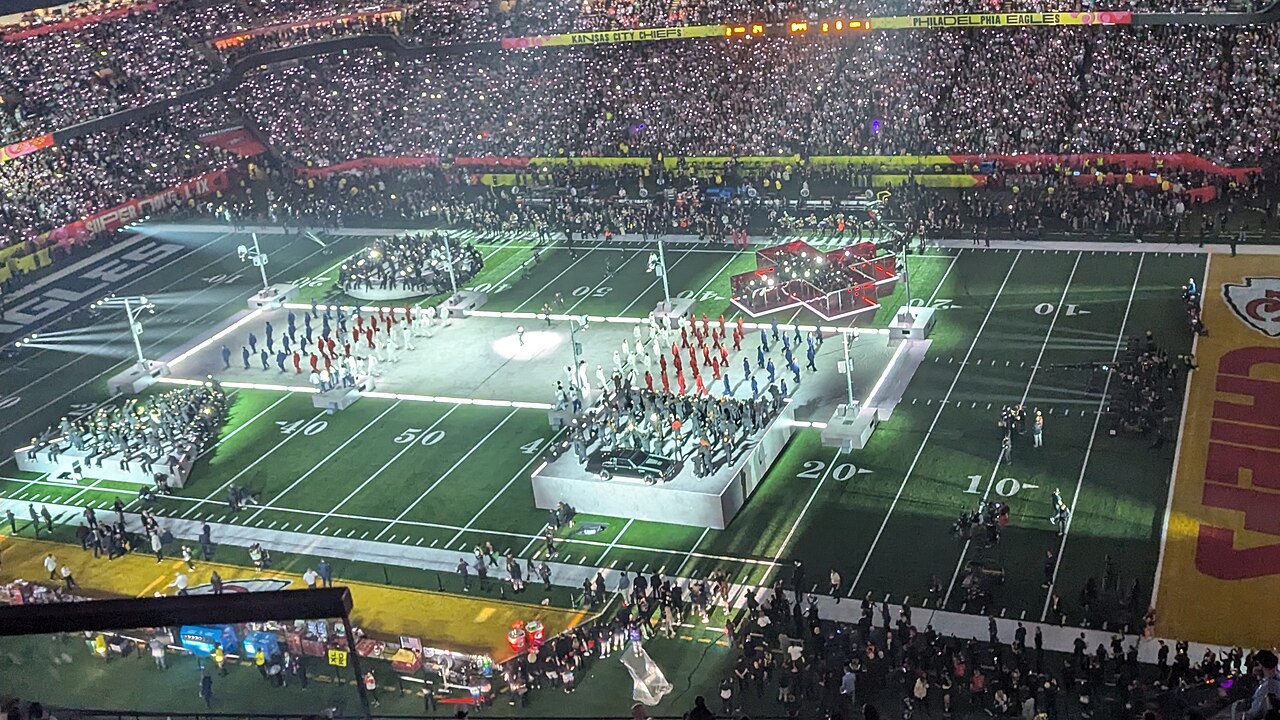
You saw the timeline fill up during the Super Bowl — posts, hot takes, clips, and clashes — and you wondered whether online outrage now comes standard with every major event. Yes: social media amplifies and accelerates reactions so quickly that outrage often becomes part of the event’s immediate story, shaping how people remember it.
This piece will walk you through how the 2026 halftime show ignited both celebration and pushback, why politics and culture wars fuel the conversation, and whether organizers now treat controversy as an expected subplot. Expect quick examples, clear patterns, and practical takeaways to help you spot when genuine controversy ends and performative outrage begins.
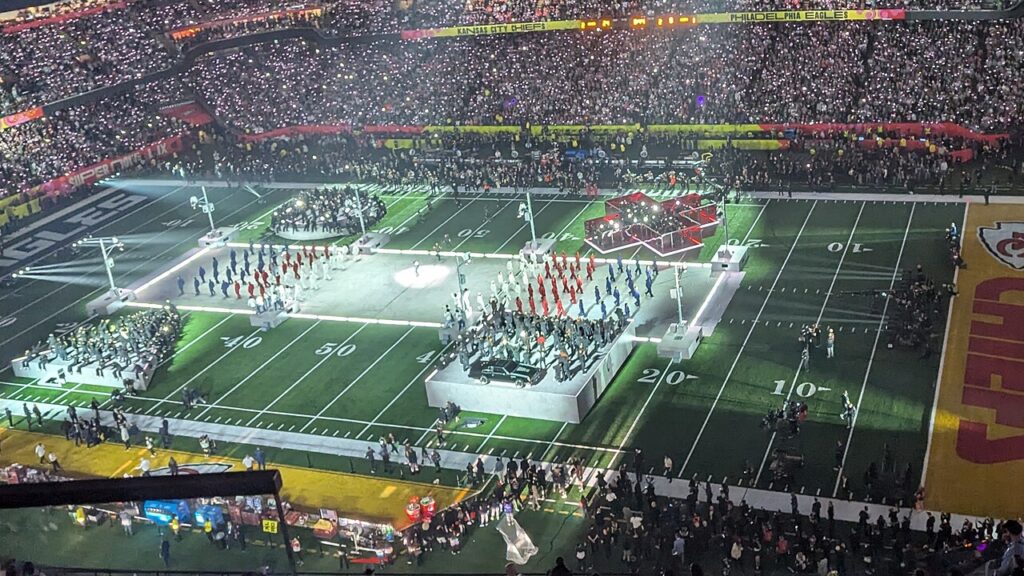
How Social Media Erupted Over the 2026 Super Bowl Halftime Show
Bad Bunny’s performance dominated timelines, drove massive engagement, and sparked sharply divided reactions across platforms. You saw viral clips, celebrity posts, and side-by-side comparisons to past headliners push the conversation beyond the game itself.
Viral Fan Reactions and Trending Hashtags
Fans on X and TikTok pushed short clips of Bad Bunny’s set into trending feeds within minutes. Hashtags tied to the performance—often referencing specific moments like the flag parade or the on-stage wedding—racked up millions of impressions and kept the show visible long after the final whistle.
You also saw fan edits and memes amplify celebrity cameos (Lady Gaga, Ricky Martin, Cardi B) and visual moments from Levi’s Stadium. Engagement skewed positive on X, while Reddit hosted deeper threads debating intent and symbolism. TikTok produced the highest per-post engagement for highlight clips, turning isolated moments into repeatable viral bites.
Celebrity Endorsements and Criticism
High-profile reactions propelled the debate. Several artists and influencers praised Bad Bunny’s cultural statements and staging choices, sharing clips and context for their followers. Other public figures offered sharp criticism, turning the halftime show into a broader conversation about politics, taste, and spectacle.
You noticed celebrities amplified different angles: some highlighted Latino pride and Roc Nation’s role in booking the performer, while others questioned the NFL’s choices or objected to specific visuals. These endorsements and pushback widened the audience beyond typical football fans and put the 2026 Super Bowl Halftime Show at the center of cultural discourse.
Comparisons With Past Halftime Performers
People compared Bad Bunny’s show to recent headline acts and long-remembered sets by artists like Jennifer Lopez and earlier big-event performers. Conversations focused on scale, cultural messaging, and how effectively each artist used the platform to reach new audiences.
You read side-by-side clips and reaction threads weighing star power against cultural resonance. Debate centered on whether the 2026 Super Bowl halftime performer shifted expectations for halftime programming, especially after moments that felt more like cultural statements than traditional pop showcases.
Outrage, Politics, and the Culture Wars
You’ll see political actors, media personalities, and competing narratives turn a halftime performance into a battleground over identity, patriotism, and policy. The stakes often center on who gets to define American culture and which actions count as political expression.
The Role of Political Figures and Media Outlets
Politicians and pundits jump quickly into the story to frame the event for their audiences. High-profile figures such as Donald Trump have publicly condemned performers when shows touch on immigration or national symbols, pushing the narrative that entertainers are attacking “traditional” values.
Conservative commentators on networks like Fox News and activists affiliated with groups such as Turning Point USA amplify those messages with segments and social clips designed for viral spread. You’ll notice talking heads label acts as unpatriotic or “anti-American,” which mobilizes viewers to file complaints, pressure sponsors, or demand apologies.
On the other side, progressive outlets and creators contextualize performances as artistic commentary. That contrast—call-out versus defense—drives polarization and keeps the event in headlines long after the broadcast ends.
Counter-Programming and Alternative Performances
When the main show sparks backlash, rival events and “counter-programming” appear almost immediately. You might see conservative personalities organize watch parties or alternative performances that stress traditional themes like flag imagery, law-and-order messaging, or family values.
Promoters sometimes book performers who explicitly oppose the main act’s politics. For example, calls for an “all-American halftime show” surface in tweets and fundraising pages within hours, aiming to redirect attention and donation dollars.
These follow-up events also serve as content for influencers such as Benny Johnson, who repackages clips to stoke engagement. That drives a feedback loop: the original controversy fuels more performances, and those performances feed further outrage.
Debates Over Patriotism and Cultural Identity
Halftime moments often become shorthand for broader disputes about patriotism and the nation’s identity. You’ll read accusations that a performer—like Benito Antonio Martínez Ocasio—used the stage for political theater rather than entertainment. Critics tie such acts to policies they oppose, including immigration measures.
References to Immigration and Customs Enforcement (ICE) or to anti-ICE activists enter the conversation when performances reference migrants, borders, or police. Opponents claim these references disrespect military or civic symbols; supporters argue they highlight lived experiences and policy harms.
That clash centers on who defines patriotism: people who equate it with uncritical reverence, or people who see critique as a form of civic engagement. Both positions generate intense online debate and real-world political organizing.
Online Narratives and Manufactured Outrage
You’ll notice patterns that suggest outrage is often amplified or manufactured. Platforms reward emotional, shareable content—clips of controversial moments get boosted, and accounts tied to political operations or media outlets rapidly seed talking points.
Coordinated campaigns can come from grassroots activists or paid operatives. For example, clips pushed by partisan influencers cascade into mainstream coverage, which then legitimizes the controversy. That cycle benefits those who monetize attention, whether network hosts, political organizers, or social-media personalities.
At times, league officials—like Roger Goodell—or event organizers respond to contain fallout, while others lean into controversy for ratings. You should watch how narratives migrate from niche accounts to cable segments and back to social feeds; that loop often shapes public memory of the event more than the performance itself.
The Halftime Show as a Flashpoint for Social and Political Issues
The halftime stage often turns entertainment into a political moment that forces immediate public reckoning. You’ll see debates about language and identity, targeted reactions from specific communities, and heated arguments about immigration policy that spill into protests and alternative events.
Language, Representation, and Belonging
When a headliner performs mostly in Spanish, you notice how language becomes political faster than the first guitar riff. Bad Bunny (Benito Antonio Martínez Ocasio) headlining pushed questions about who gets visibility on a U.S. national stage and whether Spanish-language setlists dilute or expand mainstream appeal.
You’ll hear praise from viewers who felt newly seen and criticism from people who framed the choice as exclusionary or un-American.
Representation also matters in production choices: dancers, guest artists, and visuals signal which communities the show centers. Those signals affect streaming chatter, advertiser responses, and how networks prepare for backlash.
You may find that defenders point to cultural inclusion, while detractors use language as proof of cultural displacement.
Impact on Latino and Black Communities
The show can validate identity for millions of Latino and Black viewers when artists reference lived experience directly. You might remember Jennifer Lopez and Shakira’s 2020 performance, which foregrounded Latinx culture and sparked both celebration and pushback.
Artists who foreground Black or Latino aesthetics often boost streaming and social engagement in those communities, while also drawing political criticism.
That dual outcome—uplift plus controversy—creates a cycle where audiences feel represented but also scrutinized. You’ll notice organized counterprogramming and political commentary aimed at these communities, which turns cultural visibility into political theater.
Community leaders and activists then navigate both the cultural win and the political fallout, balancing pride with strategy for future representation.
Public Debate Around ICE and Immigration Policy
Halftime staging has become a platform to visualize immigration issues, and you’ll see props, choreography, or spoken-word moments interpreted as statements about ICE and raids. Jennifer Lopez and Shakira’s use of imagery about immigration detention amplified this pattern; similarly, Bad Bunny’s presence reopened conversations about belonging and language at a national event.
Anti-ICE activists and pro-immigrant groups use these moments to call attention to raids, detention, and enforcement practices.
You should note that imagery on the stage can prompt real-world responses: protests outside stadiums, alternative “patriotic” halftime events, and legislative commentary. ICE itself rarely enters the performance directly, but the policy debates the visuals trigger involve enforcement practices, public sympathy, and demands for reform.
Those debates often carry beyond the broadcast, shaping news cycles and informing activist tactics in the weeks that follow.
Is Outrage Just Part of the Big-Event Playbook Now?
Outrage now arrives fast, shapes which clips spread, and steers conversations about artists, brands, and platforms. You’ll see how quick viral cycles change what people remember about a halftime show and where the debate around platforms and future broadcasts is headed.
How Outrage Cycles Influence Public Perceptions
When a clip from the Super Bowl halftime show goes viral, it defines the narrative more than the full performance often does. You notice short, emotionally charged moments—callouts, perceived slights, or a line from a diss track—get replayed across timelines and TV segments, and they harden into the version of the event many people remember.
That selective replay skews judgment. Some viewers judge the whole set based on one moment, while others form political or cultural takes from 30-second clips. Brands, sponsors, and artists like those working with Roc Nation or producers tied to big broadcasts must react quickly, because public perception can affect advertising deals, streaming spikes, and future bookings.
The Evolving Role of Social Platforms
Social platforms now act as both amplifier and editor. Algorithms prioritize content that drives clicks and comments, so outrage often gets pushed higher in feeds than contextualized clips or full performances such as a complete Super Bowl halftime set.
You also control some of this: platforms offer tools to filter or customize feeds, but most viewers don’t change defaults. Platforms and shows like Saturday Night Live have adapted by posting official clips fast, trying to set the frame before third-party edits dominate. Meanwhile, platform policy shifts and AI curation changes can move the needle on what becomes the dominant narrative.
Where the Super Bowl Conversation Goes Next
Expect compressed news cycles: outrage peaks within hours, then audiences pivot to the next event. Still, certain controversies (lyrics, imagery, political references) can replay across late-night shows, pundit panels, and advertiser conversations for days or weeks.
You’ll see networks and producers plan differently. Halftime show teams and partners—booking agencies, label reps, and promoters—now factor potential viral flashpoints into creative and clearance processes. If you follow the feeds, you’ll notice how quickly official clips, responses from artists or Roc Nation, and rebuttals from critics shape the next phase of the story.
More from Vinyl and Velvet:

Leave a Reply