

You’ve likely seen the social posts and headlines: Nancy Lee Grahn publicly criticized Carrie Underwood, and the exchange has drawn attention across entertainment circles. This piece explains what sparked the on‑stage tension, how Grahn’s comments unfolded online, and why fans believe the situation is escalating.
Expect a clear timeline of the public remarks, a look at how other celebrities and viewers are reacting, and analysis of how this feud could affect both television and country music conversations. The next sections break down the dispute, show where it stands now, and explore the wider ripple effects across fandoms and media.
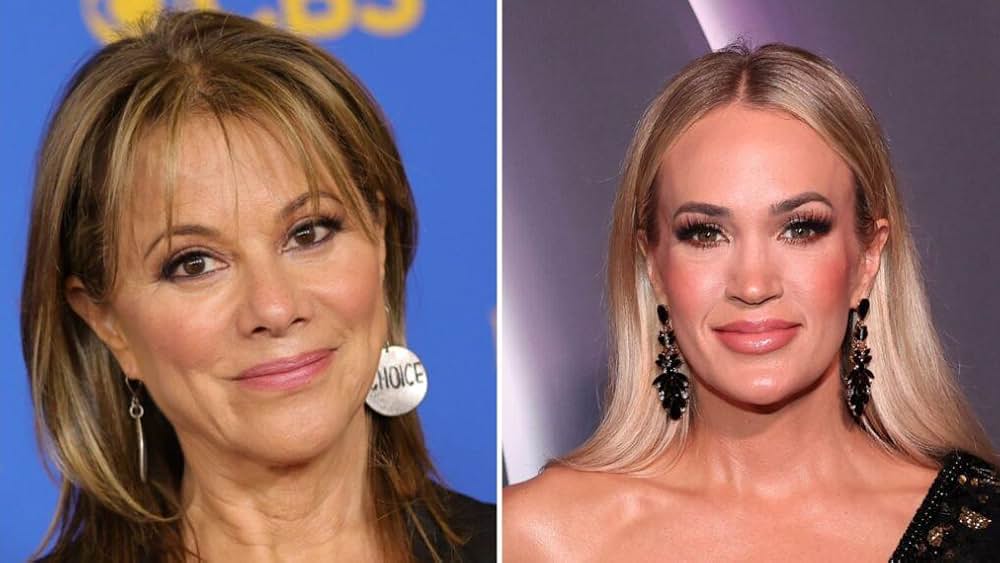
Inside the Public Feud Between Nancy Lee Grahn and Carrie Underwood
Nancy Lee Grahn publicly criticized Carrie Underwood after Underwood appeared on late-night television, citing past political associations and prompting a wave of reactions from celebrities and fans. The dispute centers on Grahn’s refusal to watch the episode and the broader political context tied to Underwood’s 2017 inauguration performance.
How the Dispute Began on Jimmy Kimmel Live
Nancy Lee Grahn wrote that she would “refuse to even look” at Carrie Underwood when Underwood appeared as a guest on Jimmy Kimmel’s show alongside Luke Bryan and Lionel Richie. Grahn, known for playing Alexis Davis on General Hospital, posted the comment on social platforms and made clear she would skip that week’s Jimmy Kimmel Live! episode rather than watch Underwood in the guest lineup.
Underwood’s appearance promoted the new season of American Idol, where she serves as a judge. Grahn’s remark referenced Underwood’s decision to sing at Donald Trump’s 2017 inauguration, which critics still mention when assessing her public actions. The initial post quickly circulated across entertainment outlets and social feeds, turning a single social-media line into broader coverage.
Political Backdrop and Public Statements
Grahn framed her stance as political, labeling Underwood with the term MAGA in comments reported by multiple outlets. Underwood has largely avoided escalating the dispute; her public communications after the inauguration focused on unity and her entertainment work, not political advocacy. In a 2017 statement, Underwood said she was “honored” to sing at the inauguration and emphasized unity, a line that opponents continue to cite.
Grahn’s activist identity and frequent political commentary inform her reaction. She explicitly tied her refusal to watch Underwood to Underwood’s perceived political alignment rather than personal attacks. Media reports note that the disagreement reflects wider celebrity tensions over public figures’ political choices and how those choices affect audience relationships.
Fan and Media Reactions to the Drama
Fans split along predictable lines: some echoed Grahn’s refusal to support Underwood because of the inauguration performance, while others defended Underwood’s career and music, including hits like “Before He Cheats.” Social threads and entertainment sites amplified both sides, with celebrity voices such as Kathy Griffin publicly agreeing with Grahn in some coverage.
Entertainment outlets covered the exchange across articles and headlines, cataloging Grahn’s post, Underwood’s continued promotion of American Idol, and the ensuing online debate. The publicity shifted attention back to Underwood’s role on television and Grahn’s public profile as an outspoken activist, keeping the argument in celebrity gossip cycles rather than resolving differences.
Impact and Escalation: Wider Celebrity, TV, and Fan Involvement
The dispute has spread beyond a single tweet, pulling in broadcast platforms, fellow performers, and polarized fan groups. Networks and talent with ties to both country music and daytime TV now navigate public pressure, programming choices, and potential ratings effects.
The Role of American Idol and TV Networks
Television producers face quick decisions about bookings and promotional schedules when controversies touch high-profile talent. Shows that previously featured Carrie Underwood or American Idol alums must balance guest draws against backlash from writers’ and actors’ unions.
Network executives consider immediate metrics—social traffic and audience retention—when weighing whether to confirm or postpone appearances. For example, talent producers might limit promo spots for artists connected to disputed collaborators to avoid cancel culture fallout.
American Idol alumni and judges with public stances, such as Lionel Richie and Luke Bryan, influence network calculations because their names affect viewer expectations. Networks also review advertiser responses; brands often push to distance themselves from controversy to protect impressions and campaign performance.
Responses From The View Hosts and ABC
Talk-show hosts react quickly to trending disputes; some voice direct opinions while others avoid comment to protect show access. On The View, hosts have historically debated strike-related solidarity; a figure like Joy Behar may critique perceived crossing of picket lines, while other panelists emphasize nuance and context.
ABC, which airs both daytime programming and late-night segments on sister stations, monitors both internal guild affiliations and external PR risk. The network evaluates whether guest appearances—especially from country stars tied to contested collaborators—could disrupt advertising commitments or union relationships.
When on-air talent takes a public stance, ABC must weigh audience loyalty against corporate obligations to unions, advertisers, and talent contracts. That calculus can lead to altered booking practices or pre-recorded segments to manage live unpredictability.
Influence of Country and Soap Opera Communities
Country-music fans and soap-opera viewers behave differently but both shape the dispute’s trajectory. Country communities often mobilize quickly via ticket-buying campaigns and concert attendance, making boycotts or support visible in box-office metrics.
Soap-opera fans, who follow long-running performers like Nancy Lee Grahn, amplify industry solidarity through social posts and organized threads that target programming decisions. These fans can pressure producers to take stands or to reconsider guest lineups.
Cross-community figures—agents, managers, and peer artists—mediate responses. Country peers and former soap co-stars may publicly defend or criticize actions, shifting fan sentiment and sometimes prompting formal statements from shows or networks.
More from Vinyl and Velvet:

Leave a Reply