

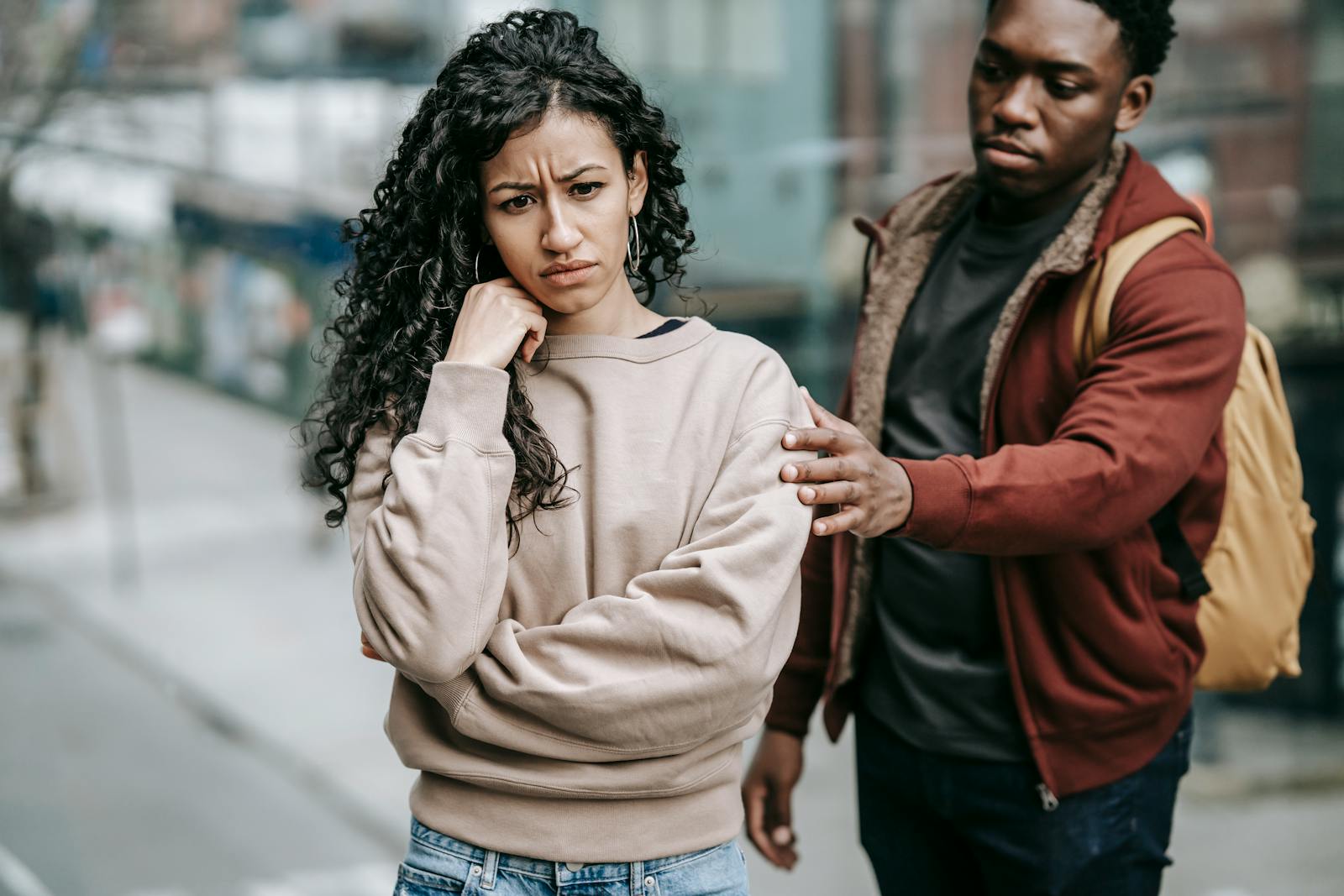
In a 2023 Pew Research Center survey, roughly half of online daters said they had encountered someone on a dating app who they believed was lying about themselves. Age is one of the most common details people fudge. Sometimes the gap is a year or two. Sometimes it is a decade or more. And sometimes, as one widely shared account illustrates, the lie holds for months before it unravels, leaving the other person to wonder what, if anything, in the relationship was real.
That account, posted in a Reddit advice forum and echoed by dozens of similar stories across dating communities, described a 19-year-old woman who matched with a man on Tinder who claimed to be in his early twenties. Seven months later she learned his actual age was significantly higher. The discovery did not just end the relationship. It forced her to re-examine every conversation, every decision she had made about intimacy and trust, through the lens of a lie she never consented to.
Why people lie about age on dating apps
Age misrepresentation on dating platforms is not rare, and the motivations vary. A 2020 study published in the Journal of Social and Personal Relationships found that profile deception on dating apps is widespread, with age, appearance, and relationship intentions among the most frequently misrepresented traits. Some users round down a year or two to stay inside a potential match’s age filter. Others fabricate gaps of a decade or more to access a dating pool that would otherwise exclude them.
The reasons often trace back to anxiety about aging in a culture that equates youth with desirability. Clinical psychologist Dr. Jess Carbino, a former sociologist for Tinder and Bumble, has noted that age filters create hard cutoffs that incentivize dishonesty: a 36-year-old who sets their profile to 34 suddenly appears in searches they would otherwise be invisible to. For younger users, the pressure sometimes runs the other direction. Teenagers have been known to inflate their age to access platforms that require users to be 18 or older.
In one Reddit discussion among daters over 40, a commenter described catching men who listed their age as 41 when they were actually 61. The thread’s consensus was blunt: a 20-year gap is not a rounding error. It is a deliberate act of deception that poisons whatever comes after it.
When an age lie becomes a breach of trust
Dating app filters exist for a reason. When a user sets an age range, they are drawing a boundary. A person who lies to get past that boundary is, in practical terms, overriding someone else’s stated preferences without their knowledge.
That is why many people treat even a small age lie as a serious red flag. In advice forums and relationship communities, the logic is consistent: if someone is willing to be dishonest about a detail as basic and easily verified as their birth year, what else are they willing to misrepresent? One commenter in a dating advice thread put it plainly, arguing that lying to bypass someone’s filters is a consent violation dressed up as a white lie.
The emotional toll compounds over time. A person who discovers the lie after a few dates may feel annoyed. A person who discovers it after seven months, as in the account that prompted this article, may feel something closer to grief, not just for the relationship, but for the version of reality they thought they were living in.
The line between a fib and catfishing
There is a spectrum of online deception, and age lies sit somewhere along it. At one end is the person who trims a year off their profile. At the other is full-blown catfishing, where someone fabricates their photos, name, occupation, and life story.
As Refinery29’s guide to spotting catfishing explains, the term covers anyone who misrepresents themselves online, whether they are lying about a single detail or faking everything about who they are. A false age is often the first thread that, when pulled, unravels a larger web of fabrication.
Even when the lie is limited to age and nothing else, the breach of trust follows the same pattern. The deceived person is left asking a question that has no comfortable answer: how do you trust someone who introduced themselves with a lie?
Legal consequences: when age deception crosses a criminal line
The emotional damage of an age lie is one thing. The legal consequences can be far worse, particularly when a minor is involved.
In the United States, statutory rape laws in most states operate on a strict-liability basis, meaning that a defendant’s belief about the other person’s age is not a defense. If a 14-year-old lies on Tinder and claims to be 19, and an adult engages in sexual contact with them, the adult can face felony charges, sex offender registration, and prison time. As legal analysts at SuperLawyers note, the law prioritizes the safety of minors, and a minor’s misrepresentation about their age does not shield the older party from prosecution.
A handful of states, including California, do allow a limited “reasonable mistake of age” defense in certain circumstances, but courts apply it narrowly. A Shouse California Law Group analysis explains that even in California, a person who has a sexual encounter with a minor who lied about their age online could still face sex crime charges. The digital trail of messages and profile screenshots can become prosecution evidence, not a defense.
This creates a situation where both parties are harmed by the lie, but the legal burden falls overwhelmingly on the adult, regardless of who initiated the deception.
What the apps are doing (and what they are not)
Dating platforms have been slow to address age verification in a meaningful way. Most major apps, including Tinder, Bumble, and Hinge, require users to confirm they are at least 18 and to provide an accurate birth date. Violating those terms can result in account suspension or a permanent ban. But enforcement relies largely on user reports and, in some cases, AI-driven profile reviews rather than document-based verification.
That may be changing. The UK’s Online Safety Act, which began phased enforcement in 2025, requires platforms to take stronger steps to prevent children from accessing services designed for adults, including dating apps. In the United States, more than a dozen states have passed or introduced age-verification bills targeting social media and dating platforms as of early 2026, though legal challenges have slowed implementation in several cases.
Tinder’s parent company, Match Group, announced in 2024 that it was piloting age-verification technology on some of its platforms, using a combination of ID checks and AI-based age estimation. As of March 2026, the rollout remains limited, and critics argue that voluntary, piecemeal adoption is not enough to address a systemic problem.
For now, the primary safeguard remains the user’s own judgment, a reality that puts the burden of detection on the person least equipped to know they are being deceived.
How to protect yourself
No verification system is foolproof, but there are practical steps that reduce the risk of being misled about a match’s age:
- Reverse-image search their photos. Tools like Google Lens can reveal whether profile pictures appear elsewhere online under a different name or age.
- Ask specific, verifiable questions early. What year did they graduate high school? What was their first concert? Inconsistencies in cultural references can surface age gaps that a profile hides.
- Video chat before meeting in person. A live video call makes it harder to conceal a significant age difference than static, possibly outdated photos.
- Trust your instincts about inconsistencies. If someone’s stories do not line up with the age on their profile, that discomfort is worth paying attention to.
- Report suspected misrepresentation. Every major dating app has a reporting function. Using it helps protect other users, not just yourself.
Age lies on dating apps can seem minor in isolation. In practice, they erode the foundation that every healthy relationship depends on: the belief that the person across from you is who they say they are. Whether the gap is two years or twenty, the deception carries the same message. Your boundaries were less important than my access to you. That is not a white lie. It is a choice, and it is one that the people on the other side of it deserve to see clearly.
More from Vinyl and Velvet:

Leave a Reply