

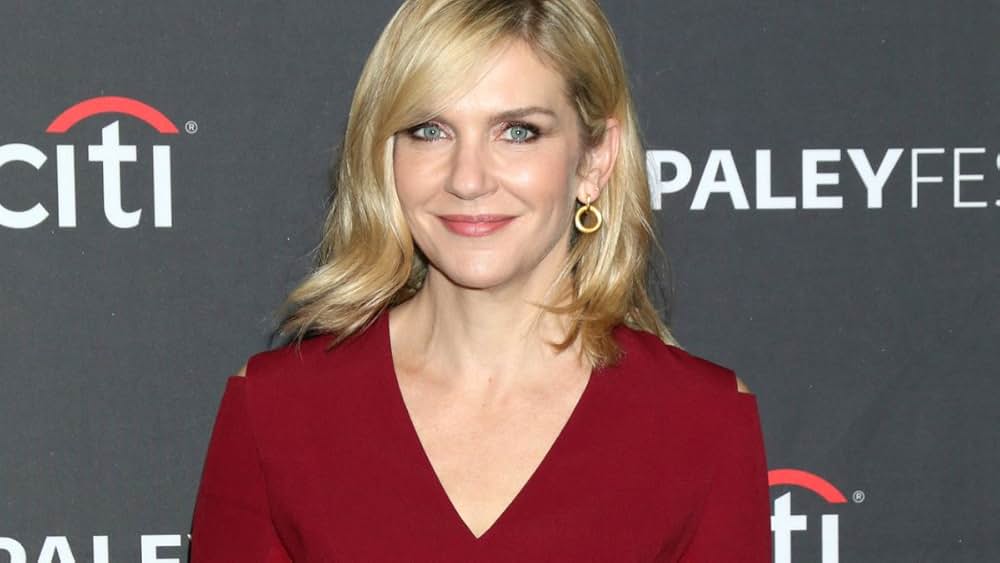
Some characters don’t smile much, don’t play nice, and don’t try to win everyone over—and apparently, that still bothers people more than it should. Actress Rhea Seehorn is calling that out, and her take is getting a lot of attention online.
In a recent interview clip shared on Reddit, Seehorn discussed how the word “unlikable” gets thrown around far too easily when it comes to female characters who don’t fit traditional expectations. The conversation quickly picked up traction, with viewers diving into what that label really means—and who it gets applied to.
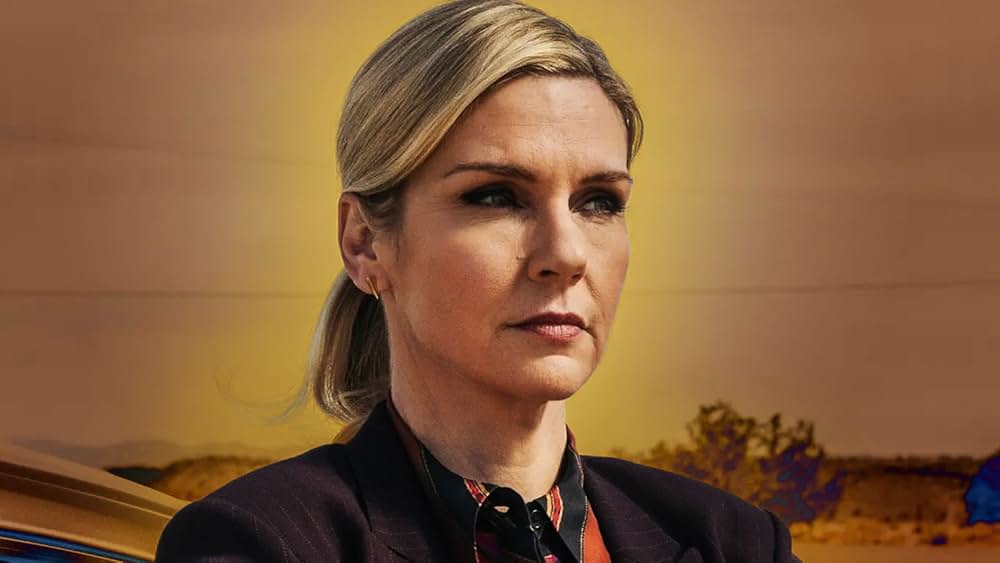
Why “Unlikable” Hits Differently for Women
Seehorn’s point is pretty straightforward: male characters are often allowed to be complex, flawed, even outright terrible—and still be loved by audiences. But when female characters show similar traits, they’re much more likely to be dismissed as “unlikable.”
It’s not really about whether the character is interesting or well-written. It’s about how closely they align with expectations. If a woman on screen isn’t warm, agreeable, or easy to understand, she’s often judged more harshly than her male counterparts.
Fans Say She’s Absolutely Right
The discussion sparked a wave of agreement online. Many users pointed out how often female characters are criticized simply for not being “pleasant enough,” even when their behavior makes total sense within the story.
One commenter wrote, “Do characters follow all the rules for how to be a sweet, meek, docile woman? No. Do you end up liking them anyway? Absolutely.” Another added that characters like Carol feel more real precisely because they don’t try to fit into a narrow mold.
Others drew comparisons to male characters who are widely accepted despite their flaws. “People can be endeared to characters like Bojack Horseman… but won’t forgive a woman for not smiling enough,” one user noted, highlighting the double standard.
The Bigger Pattern Behind the Label
What makes this conversation stick is how familiar it feels. The word “unlikable” doesn’t just describe a character—it often reflects expectations placed on women in general.
Some users even pointed out how traits like independence, boundaries, or emotional complexity are often interpreted negatively in female characters, while the same traits are praised in male ones. In that sense, the criticism says as much about the audience as it does about the writing.
More Than Just a TV Debate
By the end of the discussion, it was clear this wasn’t just about one show or one character. It’s part of a larger shift in how people are starting to question the labels they’ve accepted for years.
And if anything, Seehorn’s comments seem to be landing for a reason. Because the more audiences embrace characters who are messy, complicated, or even difficult, the more space there is for stories that actually feel real.
More from Vinyl and Velvet:

Leave a Reply