

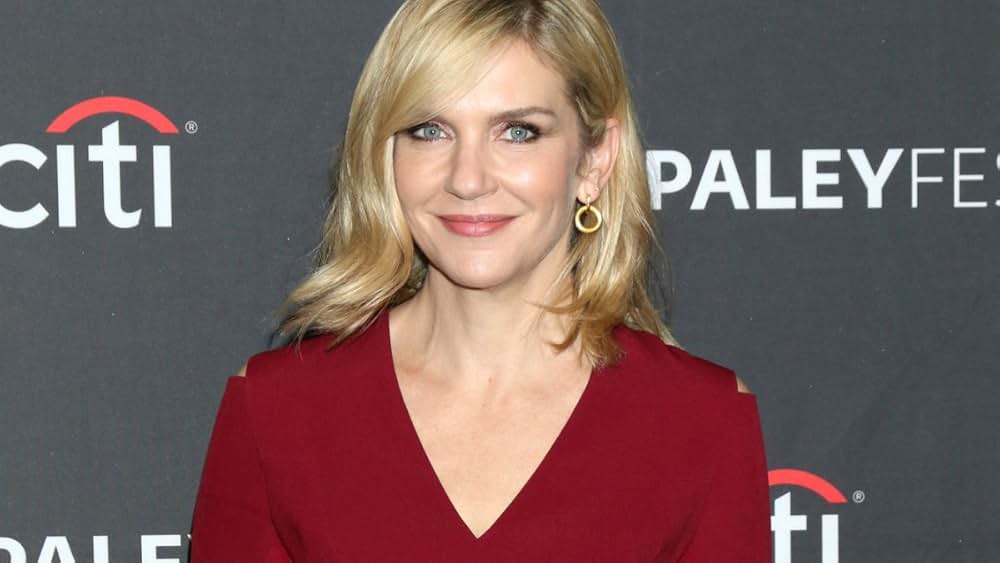
Strong female characters often face unfair criticism for being “unlikable,” a label rarely applied to male characters with similar traits. Rhea Seehorn, star of Pluribus, recently addressed this bias, explaining that the term is frequently used to police how women are expected to behave on screen. Fans quickly flocked online to debate Carol’s character, highlighting the gap between audience expectations and reality.
Why Fans Are Talking About Carol
According to a Reddit post shared, viewers have been discussing how the word “unlikable” is misused when describing Carol. Many fans noted that her behavior—assertive, self-reliant, and unapologetic—breaks the traditional mold of female characters who are expected to be soft, agreeable, and nurturing. Seehorn emphasized that these critiques often reveal more about societal expectations than the character herself, underscoring that compelling, realistic women rarely fit neatly into a likeable stereotype. The discussion mirrors a larger conversation about media coverage and fandoms policing women on screen.
Social Reactions Highlight the Issue
Reddit users quickly weighed in with passionate responses. One fan wrote that Carol’s refusal to conform made her “interesting and true to life,” pointing out that men displaying similar traits are rarely called unlikable. Another drew parallels between the criticism of women and how people react to cats: independent, boundary-setting, and self-directed, traits often admired in men but scrutinized in women. Several commenters celebrated the show for its nuanced portrayal of female leads, praising Seehorn for directly addressing the media’s often sexist framing. These reactions underline why audiences connect with strong, complex characters.
Why This Conversation Matters
The debate over Carol is about more than one TV show—it reflects systemic double standards in storytelling. Unlikable female characters challenge outdated expectations, allowing writers and actors to explore multidimensional personalities that resonate with real life. Seehorn’s insistence on standing by Carol’s characterization demonstrates that women in media can be compelling without being artificially pleasing. It’s a reminder that criticism of female leads often says more about the critic than the character.
What Commenters Are Saying
Fans continued the discussion with a mix of support and insight. One user observed, “An unlikable female character is often doing exactly what men get applauded for—being confident and assertive.” Another highlighted that audiences hold women to impossible standards: “If she isn’t a ray of sunshine, critics call her unlikable.” Several praised the show for representing older women in leadership roles, noting that Carol’s complexity is a refreshing break from traditional tropes. Across the thread, viewers agreed: a character can be unlikable yet deeply compelling, and these portrayals are essential for more authentic storytelling.
More from Vinyl and Velvet:

Leave a Reply