

Barack Obama is back in the immigration debate, not through a new speech but via an old one. A resurfaced clip from 2013 shows him bluntly defending deportation enforcement and reminding activists that he was “the President, not an emperor,” a line that lands very differently in today’s polarized fight over the border. The video is colliding with fresh unearthed footage from 2010, giving critics and defenders new ammo in the long running argument over how far a president can really go on immigration.
Put together, the clips sketch a version of President Obama that does not fit neatly into the “deporter in chief” label or the progressive hero narrative. They show a lawyerly politician trying to balance pressure from immigrant advocates with warnings from Republicans and his own lawyers about the limits of executive power, even as he later pushed those limits with programs like DACA.
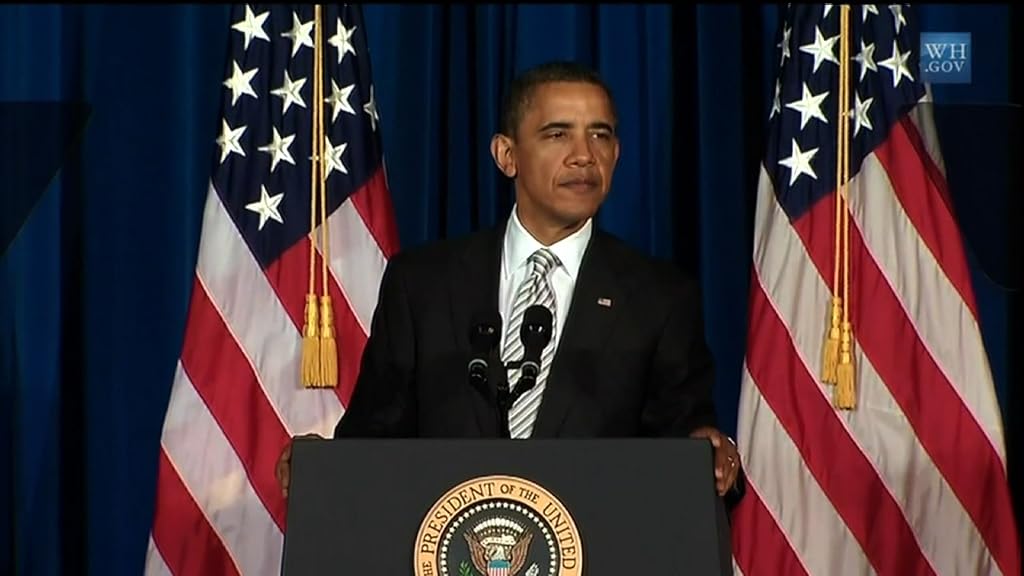
The 2013 “not an emperor” moment lands in a new era
The 2013 clip now bouncing around social feeds captures President Obama telling frustrated supporters that he could not simply halt deportations by fiat, stressing that he was “the President, not an emperor” and had to work within the law. In that exchange, he framed immigration enforcement as a constitutional duty, not a policy he could casually switch off to please activists. The resurfaced video, shared as a THROWBACK, highlights how directly he tried to lower expectations about sweeping executive action.
That reminder is especially jarring when set against the later years of his administration, when critics on the right accused him of doing exactly what he had once ruled out. As he rolled out broader relief programs, Republicans argued that Obama had crossed the line from enforcing the law to effectively rewriting it. One viral post packages the 2013 comments as a kind of gotcha, suggesting that the same President who insisted he was not an emperor eventually governed like one, even as the original clip shows him trying to draw a bright line between what was politically desirable and what he claimed was legally possible.
The 2010 warnings about halting deportations
The 2013 video is not the only old tape getting new life. A separate FLASHBACK clip from 2010 shows President Obama taking a hard line on illegal immigration, defending deportations even of people “just trying to earn a living.” In that footage, he argues that simply stopping removals would send the wrong signal and could encourage more unauthorized crossings. The tone is clinical and unsentimental, focused on deterrence and the message that the government still intended to enforce the border.
Another resurfaced video shared by a Philippine outlet features President Barack Obama warning that halting deportations outright could trigger a surge in illegal immigration, again underscoring his concern about incentives. A detailed write up of the same 2010 remarks notes that the future “deporter in chief” label grew out of this period, when he defended removals even as he promised a path to citizenship for some migrants. One Jan account of the viral clip points out that his comments are now being contrasted with later Democratic rhetoric, including moments when BIDEN SPEAKS OUT AGAINST IMMIGRATION crackdowns, to argue that the party’s center of gravity has shifted.
From “not a king” to DACA and beyond
The resurfaced clips are also reviving an old debate about how Obama moved from caution to action. After the DREAM Act stalled in Congress, President Obama eventually created Deferred Action for Childhood Arrivals, or DACA, through executive action. A legal history notes that, in response to the failure of the DREAM Act to pass both houses of Congress, President Obama directed his administration to shield certain young undocumented immigrants from removal and grant them eligibility for a work permit. That move was framed as a targeted use of prosecutorial discretion, not a blanket amnesty, but it clearly went further than the limits he had once described in public forums.
Republicans seized on that shift as proof that Obama’s “not an emperor” line had an expiration date. When he later announced broader immigration actions, Republicans argued that his plan was a radical overreach that went beyond traditional prosecutorial discretion and even floated the word “impeachable.” Around the same time, a detailed report on his immigration orders noted that he had previously said he was “not king,” even as his new directives shifted deportation priorities toward “felons, not families” and offered temporary relief to millions of parents of citizens and lawful residents. That tension between his earlier humility about executive power and his later willingness to stretch it is exactly what the resurfaced clips are now being used to highlight.
How critics and allies are weaponizing the throwbacks
Conservatives are treating the old footage as Exhibit A in their case that Obama knew his later immigration moves were on shaky ground. Senator Ted Cruz, in a blistering statement about border policy, accused the Obama Administration of repeatedly ignoring the law and said President Obama had “illegally granted amnesty to millions of illegal immigrants,” tying that charge to crimes committed by people who were not deported. In that same release, he argued that the administration’s failures left criminal aliens responsible for 193 homicide convictions, using those figures to demand that defiance of immigration laws “will no longer be tolerated” and to portray the earlier legalistic Obama as more honest than the one who eventually embraced sweeping relief. The resurfaced clips now serve as a visual aid for that argument, showing the President himself once insisting that he lacked the power Cruz says he later grabbed.
Immigration advocates, for their part, are using the same videos to make almost the opposite point. To them, the 2010 and 2013 clips are reminders of how long activists had to push before the White House budged on relief for undocumented families. In their telling, Obama’s insistence that he was boxed in by the Constitution became a talking point that delayed action until the political cost of inaction grew too high. The fact that he eventually created programs like DACA is, in this view, proof that the legal room for maneuver was always larger than he first admitted, and that sustained pressure from organizers, not a sudden change in the law, forced the shift.
What the old clips reveal about the Obama years
The resurfaced videos are also a reminder of how central immigration was to Obama’s national profile. On Meet the Press, From NBC News in Washington with Chuck Todd, CHUCK grilled administration officials on whether the President was stretching his authority, reflecting a broader anxiety about executive power that predated the current fights under President Donald Trump. Coverage of his immigration orders at the time noted that he repeatedly told audiences he was “not king” even as he instructed agencies to refocus deportation resources on “felons, not families,” a phrase that became shorthand for his attempt to square enforcement with compassion. Another detailed account of those orders, published out of California, emphasized that they would shield millions from deportation while still insisting that the President was operating within the law, a balancing act that now looks even more fraught in light of the resurfaced clips.
Social media, of course, flattens all of that nuance. A short video labeled Story by Alexander Hall or a quick reel tagged as a THROWBACK to 2013 when President Obama addressed immigration enforcement can rack up views without offering any of the legal context that shaped his decisions. Yet the renewed attention is still useful in one sense. It forces a fresh look at how Obama talked about the limits of his office, how far he ultimately went anyway, and how those choices continue to echo in today’s battles over what President Donald Trump or any future President can do on their own. In that way, the “I’m not an emperor” line is less a punchline than a starting point for a much bigger argument about power, promises, and the politics of the border.
More from Vinyl and Velvet:

Leave a Reply