

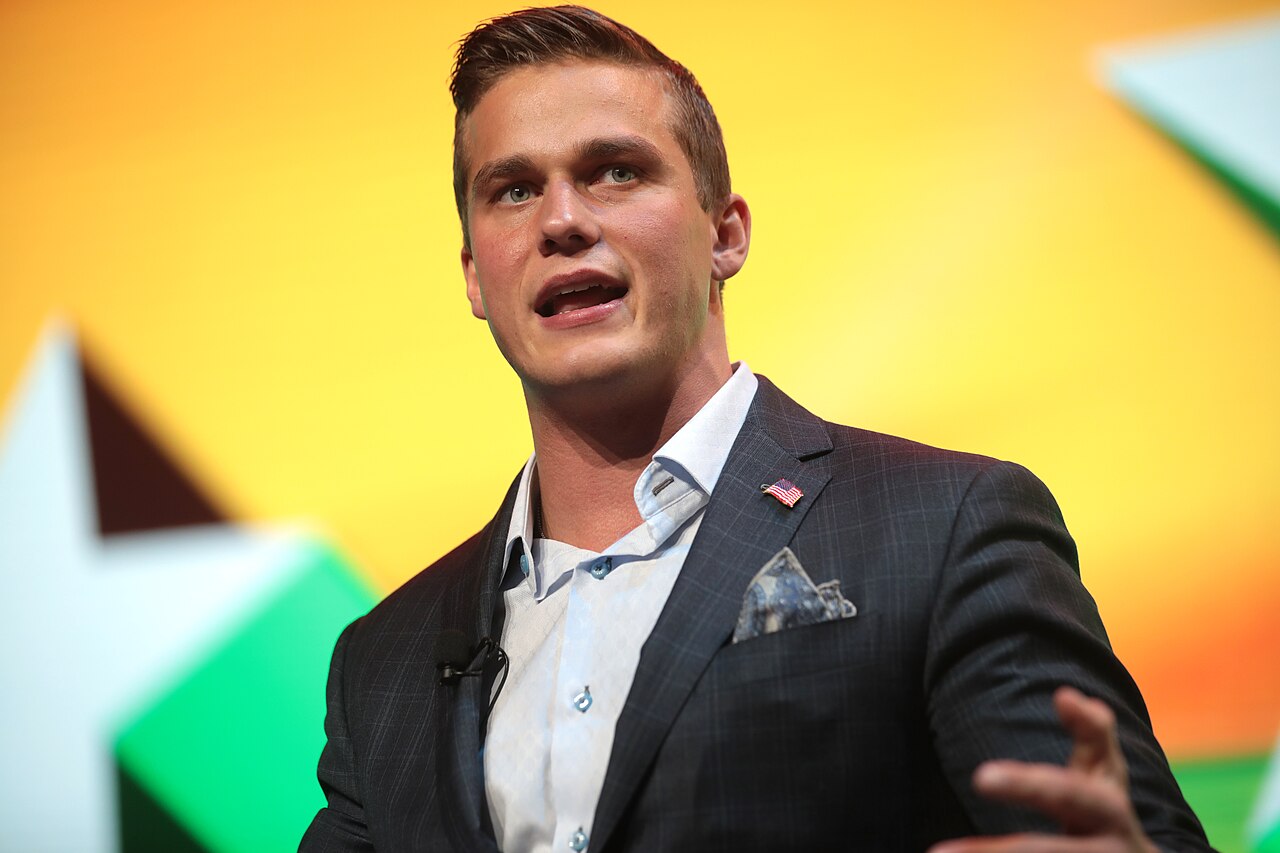
You find yourself pulled into a complex story where a reality TV contestant now faces years of legal entanglement over a 2014 crash that left former congressman Madison Cawthorn paralyzed. The piece explains who’s involved, what happened in the wreck, and why the court fights matter for everyone following celebrity accountability and liability.
You’ll get a clear snapshot of the crash’s disputed accounts and the legal moves that followed, so you can understand what actually unfolded and why it kept resurfacing in court. Expect a close look at accident details, conflicting statements, and how the lawsuits developed over time.
The article also examines how this personal tragedy intersected with public narratives and media attention, shaping both reputations and legal outcomes. Follow the breakdown of the crash, the tangled litigation, and the broader implications for public figures and accountability.
Breaking Down the 2014 Car Crash and Fallout
The 2014 wreck left one passenger severely injured and thrust several people into prolonged legal and public scrutiny. The crash’s timeline, the roles of Madison Cawthorn and driver Bradley Ledford, and the long-term medical and legal consequences shaped how the case unfolded.
Timeline of the Crash and Immediate Aftermath
On January 23, 2014, a pickup truck driven by Bradley Ledford left the roadway in Ashe County, North Carolina. The truck rolled multiple times after striking a guardrail; investigators later reported excessive speed as a factor. Emergency crews arrived and transported Madison Cawthorn and other passengers to nearby hospitals.
Medical responders documented Cawthorn’s spinal injuries at the scene and in initial hospital records. Police prepared a crash report that noted occupant positions and vehicle damage. Within days, the story drew local media attention and prompted insurance and potential civil claims by injured parties.
Key Individuals: Madison Cawthorn and Bradley Ledford
Madison Cawthorn was a passenger in the truck and sustained catastrophic injuries that would become central to his public profile. He later attended Patrick Henry College and entered politics; his disability and recovery shaped his public narrative. Family members, including his brother Zachary Cawthorn, became public figures in relation to his care and advocacy.
Bradley Ledford was the driver and faced questions about speed and control at the time of the rollover. Statements and depositions about his conduct informed later legal claims. Other occupants and witnesses provided varying accounts that attorneys used in negotiations and filings, linking the crash to subsequent settlement discussions and litigation.
Injuries, Recovery, and Life With Paralysis
Madison Cawthorn suffered a spinal cord injury and became partially paralyzed from the waist down, relying on a wheelchair for mobility. Hospital and rehabilitation records detail surgeries, inpatient therapy, and plans for long-term care. These medical records later factored into legal evaluations of damages and future care needs.
Recovery included intensive physical therapy, assistive devices, and adaptations at home. He also pursued education and a public career despite mobility limits. The physical and financial demands of life after the crash influenced settlement talks and public debate about responsibility and compensation.
Untangling the Legal Battle and Its Broader Impact
The case centers on complex civil claims, competing insurance positions, public accusations, and political fallout that extend beyond courtroom filings. Multiple parties, depositions, insurance companies and local reporting have shaped both legal strategy and public opinion.
Cawthorn’s Lawsuits and Courtroom Drama
Madison Cawthorn faces civil suits tied to the crash that left him paralyzed. Plaintiffs allege negligent driving and seek compensatory damages; Cawthorn’s defense contests fault and details of the collision. Several depositions have been taken in the Middle District court context and related state filings, with testimony focusing on vehicle control, road conditions, and events immediately before impact.
Court filings reference a scheduling misunderstanding over hearings and motions, producing contested deadlines and a $2,000 bond in at least one procedural matter. Attorneys have used deposition excerpts to challenge witness memory and prior statements. Local outlets such as the Asheville Citizen Times and AVL Watchdog have published reporting that influenced public awareness of the timelines and witness accounts.
Legal Disputes Over Insurance and Compensation
Auto-Owners Insurance figures prominently in coverage disputes, with insurers debating policy limits and applicability to the crash circumstances. Plaintiffs press for policy payouts to cover medical expenses and ongoing care; insurers deny or narrow coverage based on exclusions and alleged misconduct.
Parties have exchanged discovery over medical bills, vocational-impairment estimates, and settlement demands. Experts for both sides provide competing damage calculations, including future care and lost earning capacity. Parallel procedural moves in Western North Carolina courts sought to coordinate state and federal actions to avoid conflicting judgments. Insurer depositions probed underwriting, policy issuance and prior claims history to determine whether coverage can be invoked.
Controversy, Allegations, and Public Statements
Beyond negligence claims, the litigation revived prior allegations about Cawthorn’s behavior, including reported sexually predatory behavior and separate sexual misconduct accusations that surfaced in media coverage. Those allegations have not been the focus of these crash-related claims but have shaped witness credibility and public perception during depositions.
Public statements from Cawthorn and his legal team push back on character attacks and emphasize disputed facts about the crash. Opposing counsel and some media outlets cite prior incidents—like reports of “fun drives,” driving without a license, and scheduling or bond issues—to question decision-making. Writers such as Tom Fiedler and outlets like Asheville Watchdog have detailed timelines that courts and jurors may consider when weighing credibility.
Political Ramifications and Media Coverage
The legal fight has political reverberations across North Carolina’s GOP circles. As a former Republican congressman from the 11th district and a figure in state politics, Cawthorn’s court appearances affect talk of a political comeback and influence endorsements from figures such as Chuck Edwards, Thom Tillis, Byron Donalds and allies like Mark Meadows. Opponents highlight ethics investigations and past controversies to argue against rehabilitation in public office.
Media coverage oscillates between local investigative reporting and national commentary, amplifying depositions and filings. Political rivals cite court documents during campaign season; supporters frame litigation as legal noise. Reporting by the Asheville Citizen Times, AVL Watchdog and national outlets has made depositions and insurance disputes part of the broader narrative about accountability, public trust and how personal conduct intersects with political ambitions.
More from Vinyl and Velvet:

Leave a Reply