

You will get a quick, honest look at how Prince William listens to George, Charlotte and Louis so they can talk about their feelings without fear. He makes a point of getting “all the details” and creates space to hear what each child really means.
You’ll find practical value in how an open, steady approach from a parent—especially one in the public eye—can normalize emotions at home. The article will explore how he supports conversations about emotions and how that stance helps challenge stigma around mental health.
Expect clear examples of what works and why it matters, including ways you might adapt parts of his approach for everyday family life.
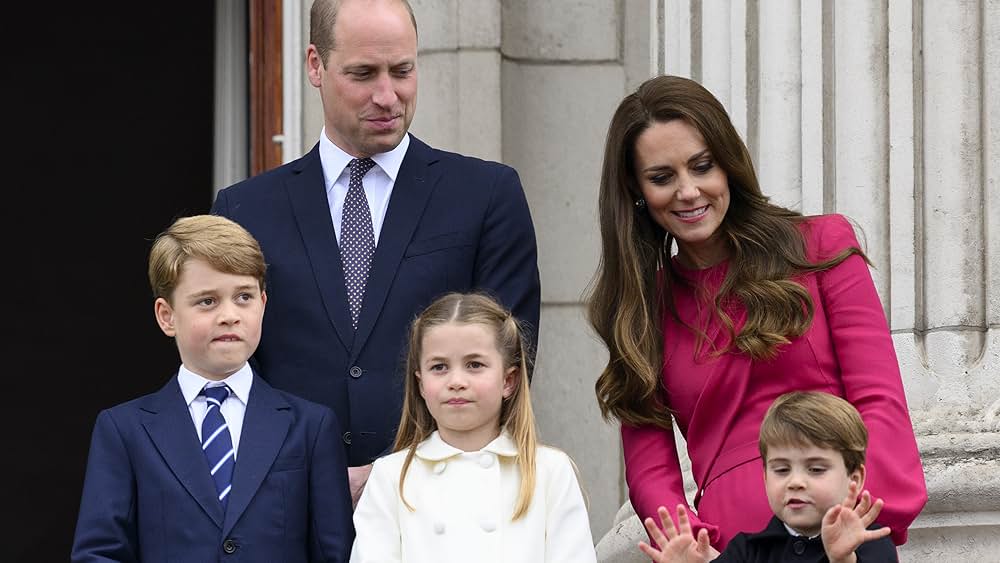
How Prince William Supports George, Charlotte, and Louis in Sharing Their Feelings
Prince William makes time to listen closely, gives age‑appropriate reassurance, and models what talking about emotions looks like. He combines daily rituals, clear boundaries, and outside help when needed to keep conversations honest and constructive.
Encouraging Honest Conversations at Home
William creates openings for his children to speak by asking simple, direct questions about their day. He lets Prince George, Princess Charlotte, and Prince Louis give “all the details,” which signals that nothing is too small to mention.
He practices active listening: pausing, repeating back what he hears, and avoiding immediate problem‑solving. That approach helps each child feel understood without pressure to perform emotionally.
Routines like bedtime chats and casual family moments provide repeated, low‑stakes opportunities for sharing. William also normalizes a wide range of feelings by naming emotions aloud and saying it’s okay to feel uncomfortable or excited.
Balancing Openness and Reassurance as a Royal Dad
As a public figure, William must protect his children’s privacy while encouraging openness. He balances this by listening at home but keeping sensitive details out of public conversation.
He offers concrete reassurances — telling them he’s available and that adults can help solve problems — rather than abstract platitudes. That gives George, Charlotte, and Louis clear expectations about what will happen after they speak up.
William sets boundaries around when and where to discuss certain topics, helping the children distinguish between private family matters and public-facing duties. This keeps emotional conversations safe and contained.
Coping Mechanisms During Family Challenges
When the family faces difficult events, William leans on practical coping tools: structured routines, professional support, and honest age‑appropriate explanations. He frames changes in a way each child can understand.
He encourages activities that reduce stress, such as outdoor play and focused one‑on‑one time, and uses simple breathing or grounding techniques for moments of anxiety. Those small practices teach the children self‑regulation.
William also brings in external support when needed, from teachers to mental‑health professionals, ensuring the children have multiple trusted adults. He stresses that seeking help is a strength, not a failure.
Role of Kate Middleton and Family Dynamics
Kate Middleton shares parenting duties and emotional labor, creating a coordinated front with William. They discuss difficult conversations beforehand so both can respond consistently.
Kate often handles day‑to‑day nurturing — bedtime routines, school liaison, and emotional check‑ins — while William models talking about feelings and male emotional openness. Their combined approach reinforces that both parents validate emotions.
They present a united message about safety and support, so Prince George, Princess Charlotte, and Prince Louis learn that their feelings matter to both the Prince and Princess of Wales.
Breaking the Stigma: Prince William’s Approach to Mental Health as a Royal Leader
Prince William combines public campaigns, personal disclosures, and everyday parenting to reshape how his generation—and the institutions around him—talk about feelings. He centers practical steps: naming emotions, listening without fixing, and supporting services that target male suicide and young people.
Learning from Past Generations’ Silence
He often contrasts his approach with older generations who kept emotions private. William points to wartime and post-war attitudes as part of a pattern where adults “didn’t talk” about feelings, and he stresses that silence can be a handed-down habit rather than a deliberate choice.
That context informs his public messaging: acknowledge uncomfortable feelings, make it normal to speak about them, and stop treating emotional expression as weakness. He has used interviews and documentaries to describe his own process of understanding emotions, which models vulnerability for others and for the royal household.
William also channels that history into funding and institutional work. The Royal Foundation’s initiatives—such as the National Suicide Prevention Network—aim to replace secrecy with practical support, connecting frontline services and encouraging earlier help-seeking among men and families.
Advocacy for Male Role Models and Open Dialogue
He has explicitly called for “more male role models” to show that talking about feelings is acceptable. In appearances on broadcast platforms like BBC Radio 1’s Life Hacks with Greg James, he joined conversations that target younger men and normalise checking in emotionally.
William pairs public appeals with backed programs: the National Suicide Prevention Network and other Royal Foundation projects focus on suicide prevention and mental-health literacy. He highlights concrete behaviors—asking direct questions, listening without rushing to solve—and encourages public figures to demonstrate those actions.
His advocacy reaches varied audiences: from sports clubs and netball or hockey communities to male-focused charities. By promoting visible examples of men discussing mental health, he aims to lower the threshold for seeking help and to change what leadership looks like in families, schools, and workplaces.
Family Routines and Developing Emotional Skills
At home, he makes space for detailed conversations with George, Charlotte and Louis. He says he gets “all the details” and tries to resist immediately fixing problems, instead teaching the children to name feelings and to accept that emotions fluctuate.
He uses normal family routines—school runs, play like trampoline time, and after-activity chats about ballet or sport—to prompt reflection. Those moments help children build emotional vocabulary and coping skills rather than treating conversation as a special intervention.
William ties this hands-on parenting to broader aims: preparing his children to be emotionally literate future leaders and reducing stigma within the royal family. He balances private family life at Windsor Castle and public duties—like attending Earthshot Prize events or international visits to places such as Rio de Janeiro and South Africa—while keeping mental-health priorities visible and practice-oriented.
More from Vinyl and Velvet:

Leave a Reply