

An allegation that a major donor to Prince William’s environmental charity appears in newly released Epstein files forces a direct reckoning with how elite networks shape philanthropy. You should know whether this connection raises questions about due diligence, public trust, and what the palace and the Earthshot Prize will say next.
The article lays out what the files reveal about the donor’s reported links, how those ties intersect with the Earthshot Prize’s founding partnerships, and why watchdogs have moved to examine the charity’s funding. Expect a clear account of the documents, the complaint to the Charity Commission, and what those developments mean for wider scrutiny of royal and elite philanthropic ties to Jeffrey Epstein.
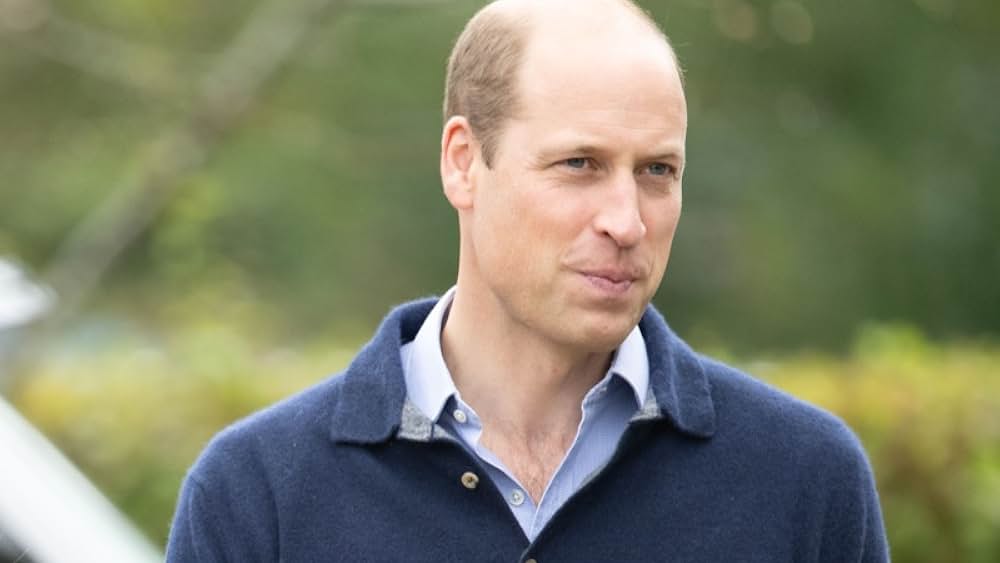
Prince William’s Earthshot Prize, Donor Controversy, and Epstein File Revelations
The Earthshot Prize, launched by the Prince of Wales in 2020, now faces questions about a founding partner after newly released documents tied an Emirati businessman to the Jeffrey Epstein files. Allegations focus on one donor’s past communications and whether the charity’s checks met expected standards.
Details of DP World and Sultan Ahmed bin Sulayem’s Involvement
DP World, a global logistics company based in the United Arab Emirates, appears on Earthshot’s list of founding partners and is publicly linked to significant financial support. Sultan Ahmed bin Sulayem served as DP World’s chairman and CEO during the period in question and was photographed with Prince William during a 2022 visit to Jebel Ali Port.
Republic, an anti-monarchy group, highlighted a name in the DOJ files and said bin Sulayem’s connection requires scrutiny. DP World later announced new senior appointments after the allegations surfaced, and media outlets reported the company’s ties to the charity and to wider business networks, including regional entities and international partnerships.
The Nature and Timeline of Donations to the Earthshot Prize
Reporting indicates DP World donated at least £1 million to the Earthshot Prize, classified by the charity as a founding partner contribution. The donation timing aligns with the prize’s establishment and early award cycles intended to scale the global environmental prize and underwrite awards and program operations.
Documents and watchdog complaints question whether the charity documented the donor’s provenance fully and whether the Royal Foundation or Kensington Palace were apprised of detailed due-diligence findings. Public filings and press reporting do not show evidence of regulatory action against the Earthshot Prize for accepting the funds, though the pattern of donations and public appearances has drawn renewed scrutiny from commentators and campaigners.
Scrutiny by the Charity Commission and Republic’s Formal Complaint
Republic filed a formal complaint to the Charity Commission, citing the Epstein file revelations and asking regulators to investigate Earthshot’s donor vetting. The Commission acknowledged it was assessing concerns about the charity’s funding but had not issued findings or opened a public statutory inquiry at the time of reporting.
Charity law requires trustees to exercise due diligence on major donors; critics, led by Republic CEO Graham Smith, argue the charity must show records of those checks. The Commission’s initial statement indicates it will determine whether there is a regulatory role, while the Earthshot Prize declined comment and Kensington Palace has been contacted by media for clarification.
Email Evidence, Media Reactions, and Due Diligence Questions
A small number of emails in the DOJ-related release included a message tied to bin Sulayem’s name in redacted and unredacted forms, prompting lawmakers and media to flag the exchange. One published exchange referenced troubling content described in reporting, which intensified coverage across outlets and prompted DP World’s leadership changes.
Media reaction ranged from investigative reporting to opinion pieces questioning elite networks and the robustness of donor screening. Legal and charity experts noted that the presence of a name in documents does not equate to criminal liability, but they stressed trustees must document due diligence steps. The controversy has pressured the Earthshot Prize to clarify its donor checks and for Kensington Palace to respond about the Prince’s role in oversight.
Broader Royal and Elite Philanthropy Ties to Jeffrey Epstein
Documents and reporting show Epstein made targeted donations and maintained contact with high-profile charities and individuals years after his 2008–2009 legal case. Those interactions raise questions about donor vetting, public-facing events, and how charities handled publicity tied to royal patrons.
WildAid Donations, Public Engagements, and Reputational Risks
Emails and charity records indicate Jeffrey Epstein donated $50,000 to WildAid in November 2013 and that WildAid staff referenced that support in subsequent communications. WildAid’s managing director thanked Epstein and invited further engagement; later messages connected the donation to publicity for rhino-horn and ivory campaigns run in London.
The charity promoted campaign coverage involving ambassadors such as Jackie Chan and referenced speeches by then-Prince Charles. That association increased reputational risk because Epstein’s conviction for sexual offences involving a minor was already public by 2013. Enhanced Education, a vehicle linked to Epstein in filings, appeared in acknowledgments tied to WildAid public service announcements.
Questions focus on whether WildAid performed sufficient due diligence, and whether event communications should have avoided naming donors linked to scandal. The episode illustrates how relatively modest gifts can become prominent when charities leverage donor mentions for press and ambassador engagement.
Prince Andrew, King Charles III, and Other High-Profile Connections
Epstein’s network included multiple royal and elite figures whose public linkages varied in visibility and intent. Prince Andrew’s friendship with Epstein was widely reported and became central to the Epstein scandal and subsequent public scrutiny. Documents and reporting have also noted indirect intersections between Epstein and members of the royal family through shared charity circuits.
King Charles III (then Prince of Wales) had previously supported causes that overlapped with charities receiving donations; public references in charity materials tied royal endorsements to campaigns that mentioned donors. Those overlaps amplified media attention after the Justice Department releases and raised diplomatic and reputational questions for royal offices about awareness and vetting of donors.
Other politicians and figures appear in release materials and coverage, and some lawmakers publicly cited the files while debating transparency and accountability in elite philanthropy. The pattern underscores how social proximity, even without direct collaboration, can create optics problems when a donor’s criminal history becomes widely known.
Internal Royal Responses, Public Statements, and Regulatory Proceedings
Kensington Palace and other royal offices issued carefully worded statements emphasizing support for victims and distancing royals from donor decisions in several media reports. In at least one instance, representatives stressed no evidence members had direct involvement in fundraising choices tied to specific donations.
Regulators and charities faced complaints and inquiries. Reporting shows that the Earthshot Prize and other royal-linked initiatives had donations scrutinized and, in some cases, reported to charity regulators. Parliamentary figures and civil society actors referenced the Justice Department documents when urging stronger donor vetting and disclosures.
Those responses combined public statements, internal reviews, and formal reporting to oversight bodies. The regulatory attention centers on whether organizations followed charity law and adequate safeguards, not on proving intentional royal complicity.
More from Vinyl and Velvet:

Leave a Reply