

You’re about to see a different side of the couple often framed by formal duties: a warm, competitive rapport that plays out in public moments and sporting events. They balance official patronages and public duties with playful jabs and shared smiles, showing a modern royal partnership that’s both relatable and carefully managed.
The article will trace how small gestures, body language, and mutual teasing during fixtures like England vs Wales reveal that this rivalry is friendly, intentional, and part of their public image. Expect examples from joint appearances, patronage roles, and on-the-pitch moments that explain why the dynamic matters to the royal household and the public.
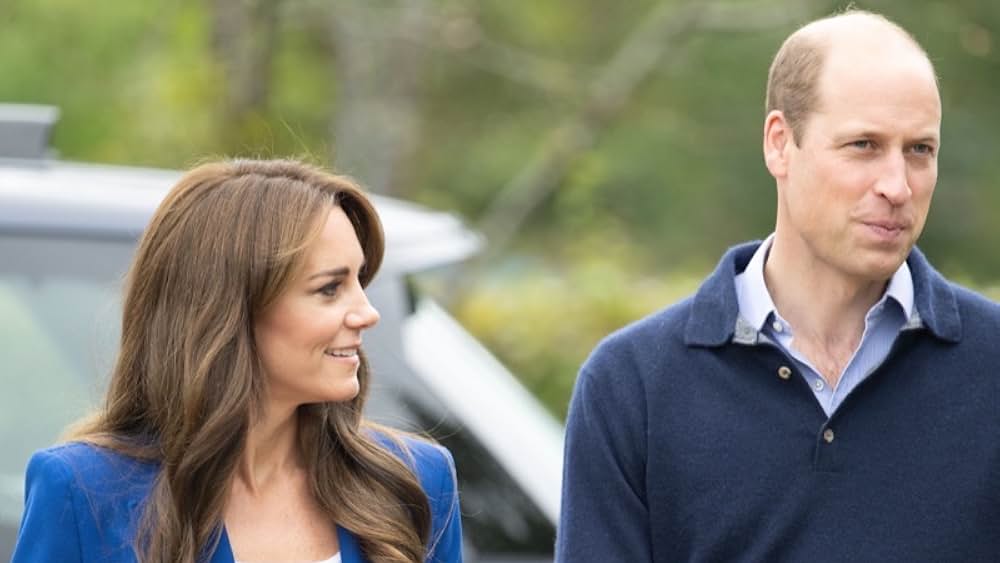
The Heart of Prince William and Kate’s Friendly Rivalry
Their playful mismatch in sporting loyalties, public banter, and private family moments shows a competitive streak grounded in routine, shared interests, and clear roles within the royal household.
Origins of Their Playful Dynamic
William and Kate’s competitive banter developed early in their relationship and strengthened as they took on public roles. William’s long-standing patronage of Welsh rugby and Kate’s later involvement with English rugby bodies created natural, recurring moments for light rivalry. Those appearances give fans a predictable, friendly contrast: he often supports Wales at Principality Stadium, while she attends England fixtures in her capacity as a patron.
Observers note their body language and brief, joking exchanges at matches and events. These interactions feel rehearsed but genuine—part performance for public duties and part private habit that leaks into view. The pattern reflects shared values: teamwork, family engagement, and promoting sport across the UK.
Split Loyalties: England vs Wales
Their split loyalties center on formal patronages and local ties rather than deeper political divisions. William has maintained visible links with Welsh rugby organizations, turning up at Wales fixtures with clear support. Kate’s patronage of English rugby and related events positions her naturally alongside England teams.
The contrast becomes visible at high-profile fixtures such as the Six Nations, where the couple sits together but cheers for opposing sides. That scene creates lighthearted headlines and reinforces their separate public duties. Their rivalry functions as a soft-publicity tool that highlights both patrons’ commitments to grassroots sport and community programs across England and Wales.
Family Life and Rivalry at Home
At home, the competitive dynamic filters into family routines without overpowering family life at places like Royal Lodge or Windsor residences. William and Kate involve Prince George and Prince Louis in sporting and outdoor activities, turning casual contests into teaching moments about teamwork and resilience.
Playful competitions—mini matches, timed runs, or garden games at their royal homes—stay private yet shape family culture. Those moments mirror the couple’s public displays: good-natured, instructive, and anchored in parenting priorities rather than headline-making drama.
Rugby, Patronages, and Royal Banter on Display
William and Catherine’s opposing rugby patronages and public smiles create a visible, good-natured rivalry that plays out at high-profile fixtures and in post-match moments. Their gestures, seating choices, and brief interactions with players offer clear signals about allegiances and personal rapport.
Public Appearances at Six Nations
The couple routinely attends marquee fixtures such as the Wales v England Six Nations match at the Principality Stadium in Cardiff and matches at Twickenham. William serves as Patron of the Welsh Rugby Union, while Catherine is Patron of the Rugby Football Union, which positions them on different sides during national fixtures and high-profile events like Six Nations game days.
They often arrive separately or sit in different boxes, visible choices that underscore patronage responsibilities without creating tension. After matches they meet players in changing rooms and charitable suites, a ritual documented during recent Six Nations fixtures.
These public duties also include engaging with injured players and charity representatives tied to the Welsh Rugby Charitable Trust and RFU initiatives, reinforcing the ceremonial and community aspects of their roles beyond team rivalry.
Body Language and Playful Interactions
Body language at matches provides much of the public’s material: Catherine’s quick, dimpled smiles and William’s puckered-mouth grin show playful competitiveness rather than hostility. Observers note gestures such as leaning forward at decisive moments, hand claps, and exchange of amused looks during contentious calls.
Experts who read nonverbal cues often point to brief touch or face-turning as signs of cohesion amid rivalry. On-camera banter—light teasing in captions or Instagram posts tied to the match—amplifies those cues, turning a patronage duty into an easily understood, personal narrative for viewers.
Taken together, their micro-expressions and posture make the rivalry feel intentional and affectionate, signaling a united front despite cheering for different sides.
Royal Fans’ Reactions and Media Coverage
Royal fans respond enthusiastically to the couple’s rivalry, using social feeds to applaud their visible support and friendly banter during Six Nations matches. Coverage spans serious reporting of patronage roles to lighter commentary on match-day wardrobes, with outlets noting appearances at both the Principality Stadium and Twickenham.
Media stories often link the couple’s public smiles and on-site interactions to wider interest in the tournament—mentioning teams like the Red Roses when women’s fixtures appear—and highlight charitable engagements tied to rugby unions.
Reaction ranges from affectionate memes to analytical pieces on body language, keeping the topic active across mainstream news and social platforms while reinforcing the couple’s dual role as royal figures and visible supporters of the sport.
More from Vinyl and Velvet:

Leave a Reply