

You notice the royal household shifting under the weight of fresh allegations, and William and Kate are stepping forward with measured concern. They’ve signaled readiness to support investigations while keeping focus on victims, sending a clear message that the couple wants accountability without dragging the monarchy into further spectacle.
This piece will map how the couple’s public stance fits into the wider scramble: what their statement means for Andrew’s future, how investigators and officials are responding, and what it could mean for the institution they represent. Keep following to see how the balance between duty, family loyalty, and public pressure plays out.
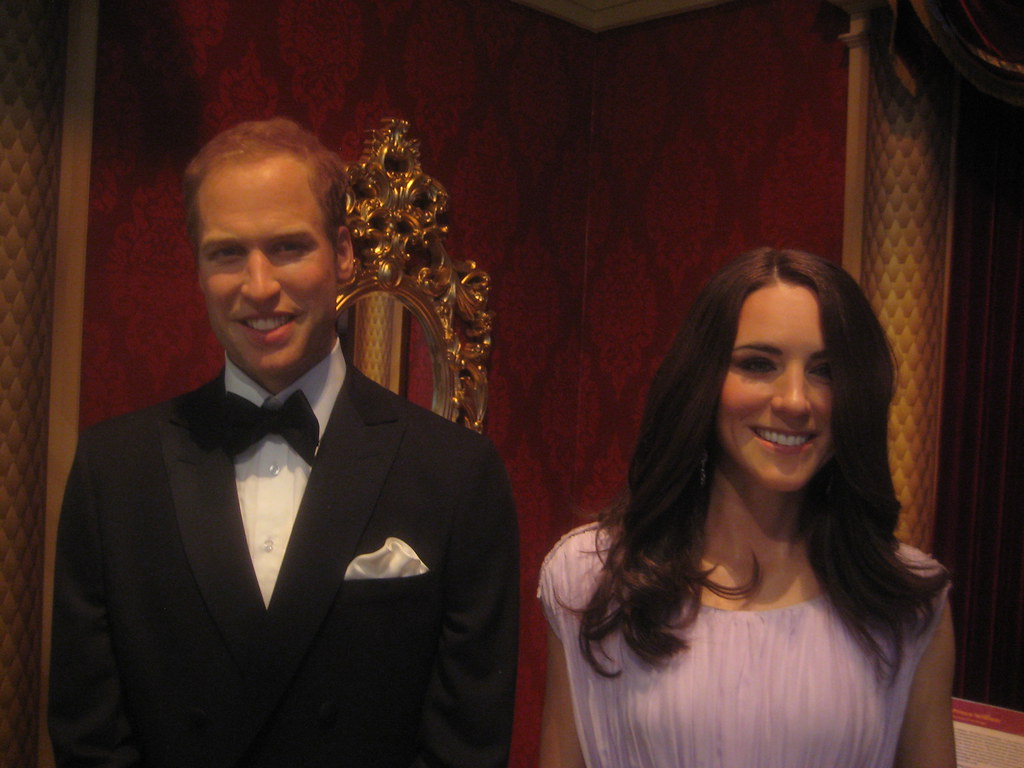
Prince William and Kate Middleton’s Response to Prince Andrew’s Scandal
William and Kate have signaled clear priorities: protect the institution and center support on those harmed, while aligning publicly with the King’s official stance. Their actions so far mix restrained public comments with private pressure behind palace doors.
Breaking Their Silence: Public Statements from William and Kate
The Prince and Princess of Wales have made brief, measured public remarks rather than extended statements. They described being “deeply concerned” by the continuing revelations and emphasized that the welfare of those affected matters to them personally.
Their comments avoided naming Prince Andrew directly but reinforced a tone of accountability. Buckingham Palace did not release a separate Wales-specific statement after Andrew’s arrest; William and Kate publicly backed King Charles III’s response instead, signaling unity at the top of the royal family. Their restraint suggests they aim to limit further public controversy while showing they are engaged.
Focus on Victims and Survivors Amid Revelations
William and Kate have repeatedly stressed support for victims and survivors in their public language. The Waleses framed concern around the human impact of the allegations, noting the wider implications for those harmed by Jeffrey Epstein’s network and related revelations.
They have prioritized private outreach and charitable channels that work with survivors rather than high-profile media interventions. This approach mirrors their broader modernizing agenda: combine public empathy with behind-the-scenes action to avoid retraumatizing individuals while maintaining a protective posture for the monarchy.
Supporting King Charles III and the Official Palace Position
The Prince and Princess of Wales have aligned closely with King Charles and the official palace line. Rather than issuing independent declarations, they supported the King’s statement on the arrest and deferred to Buckingham Palace for formal responses.
Inside the family, sources indicate William has been pressing for firm measures to manage reputational risk, including limits on Andrew’s public roles and use of titles. That internal pressure reflects a shift in operational control and a priority to safeguard the institution’s future while working within the palace’s formal communication channels.
How the Royal Family and Authorities Are Handling the Fallout
The family is responding through official statements, changes to duties and living arrangements, and cooperation with police and legal authorities. Investigations, media scrutiny, and political pressure are shaping practical steps taken by the monarchy and law enforcement.
Prince Andrew’s Relationship with Jeffrey Epstein and Official Investigations
Andrew Mountbatten-Windsor’s long-standing friendship with convicted sex offender Jeffrey Epstein has driven multiple investigations and renewed scrutiny after the U.S. Department of Justice released new documents in the “Epstein files.” Allegations involving Virginia Giuffre and others resurfaced in those files, prompting questions about possible misconduct in public office and the Duke of York’s interactions with Epstein and Ghislaine Maxwell.
British police forces, including the Metropolitan Police and Thames Valley Police where relevant incidents were alleged, have coordinated with prosecutors and international authorities. Investigations have focused on evidence, witness statements, and whether any official duties intersected with alleged criminal behavior. Authorities have emphasized following legal process while the royal household has pledged cooperation.
Consequences: Stripped Titles, Public Life, and Living Arrangements
Following legal and reputational fallout, the Duke of York has seen formal consequences to his public role. He previously lost public-facing royal patronages and was relieved of military appointments after earlier public controversy; recent developments intensified calls for further measures, including formal removal of titles used on public duties.
Living arrangements have changed: Andrew has spent more time at Royal Lodge and other private residences rather than undertaking official duties at Sandringham or Windsor. Those shifts reflect attempts to minimize royal exposure while investigations proceed. The handling balances legal presumption of innocence with the monarchy’s need to protect public life and preserve institutional stability.
Sarah Ferguson and the Wider Royal Family’s Ties to Epstein
Sarah, Duchess of York, has faced questions about her past social and business links tied to the same network surrounding Epstein. Although she has denied wrongdoing, her proximity to Andrew complicated family optics and revived attention to transactions and communications once considered private.
Other family members have had varying degrees of engagement: Princess Eugenie and other relatives appear to be managing reputational risk privately. King Charles III, Prince William, and the Prince and Princess of Wales issued statements emphasizing concern for victims and support for lawful investigations. Political figures such as Keir Starmer and campaign groups like Graham Smith’s Republic have publicly pressed for transparency and institutional reform.
Public and Media Pressure on Royal Reputation
Media outlets and public commentators intensified coverage after the release of the Epstein-related documents, increasing pressure on the monarchy’s leadership to act decisively. The press has tracked developments at Royal Lodge, Sandringham, and other locations tied to the royal household, amplifying demands for accountability.
Public organizations and legal commentators have argued for clearer rules governing royal conduct and disclosure. The combination of political scrutiny, police activity, and sustained media attention has forced the royal household to prioritize damage control, vet patronages and charity links, and review relationships connected to fundraising and high-profile partnerships.
More from Vinyl and Velvet:

Leave a Reply