

Oprah Winfrey is revisiting one of the most painful moments of her early career, and it is hitting a nerve in 2026. In a resurfaced clip from a Tonight Show appearance with Joan Rivers, she says she walked away feeling “humiliated and embarrassed” after being told on live television that she “must lose” weight. Decades later, as she talks more openly about body image, diet culture, and her own health journey, that old exchange has become a sharp reminder of how normalized public body shaming used to be.
Her new comments land at a time when Oprah Winfrey is being praised for her recent weight loss and for speaking candidly about how she got there, but she is just as focused on unpacking the shame that followed her for years. By pulling back the curtain on what it felt like to be mocked about her body in front of a national audience, she is forcing a fresh look at the way entertainment, comedy, and even daytime TV helped build a culture that treated women’s weight as fair game.
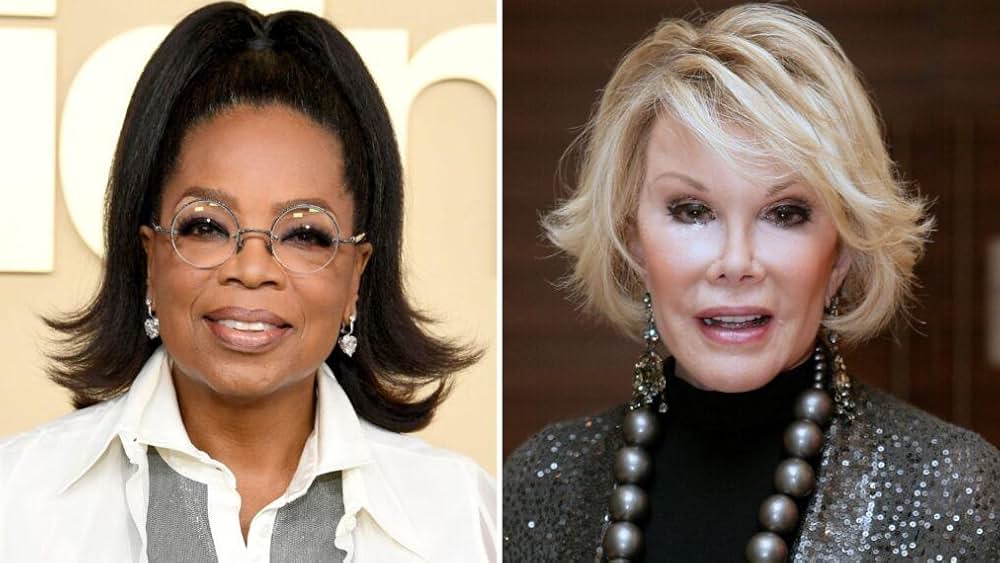
The resurfaced clip that started the new conversation
The moment everyone is talking about comes from an old Tonight Show appearance where a young Oprah Winfrey sat opposite Joan Rivers, expecting a career-making late night spot and instead finding herself grilled about her body. In the clip, Rivers presses her about how she could have gained weight after winning a beauty contest, then pivots into telling her she “must lose” weight, turning what should have been a light interview into a public evaluation of her size. The exchange has been circulating online again, and Oprah Winfrey now says she left that set feeling deeply ashamed rather than amused.
In recent coverage, the resurfaced video is described as a turning point that Oprah Winfrey still remembers in vivid detail, right down to Rivers asking how she had put on pounds and suggesting she should be “losing the weight” instead of enjoying her success. Reports on the old clip note that she has been turning heads with her current weight loss, which only sharpens the contrast between how she is celebrated now and how she was treated then. In a separate write up, the same exchange is framed as a classic example of the kind of “jokes” that once passed as entertainment, even when the person on the receiving end was clearly uncomfortable, a dynamic that Oprah Winfrey is now openly challenging.
Oprah’s own words: “humiliated and embarrassed”
Oprah Winfrey is not softening the language around what that interview did to her. She has said outright that she felt “humiliated and embarrassed” walking off the Tonight Show stage, stunned that a moment she had dreamed about for years had turned into a live critique of her body. Instead of remembering the night as a big break, she recalls replaying Rivers’ comments in her head and wondering how she had let herself become the punchline.
In new interviews, Oprah Winfrey explains that she internalized the idea that the humiliation was somehow her fault, because she had gained weight and was, in her words, “eating a lot,” a detail highlighted in coverage of her recent CBS Sunday Morning conversation with Abigail Connolly. Another report quotes her describing how she thought she had shown up in the “best shape” of her life at other points in her career, only to be told again and again that it still was not good enough, a pattern she revisited when she spoke to Pauley and reflected on how long her weight has been a public talking point, as detailed in coverage of Oprah Winfrey.
How Joan Rivers turned a career milestone into a body critique
For Oprah Winfrey, landing on the Tonight Show with Joan Rivers should have been a sign that she had arrived. Instead, she says Rivers “ruined” the interview by zeroing in on her weight, turning what was supposed to be a fun late night chat into a kind of on-air intervention. She has recalled how Rivers demanded to know how she had gained weight after a beauty pageant win, then told her she should be losing it, not gaining it, while the audience laughed along.
Coverage of that appearance notes that Oprah felt the Tonight Show segment was “horrible” and that she later told friends she “Felt it was my fault,” because she had not lost enough weight before stepping into that spotlight, a detail highlighted in reporting on her comments about the Tonight Show. Another account of the same exchange stresses that Rivers kept pushing, asking how she could have possibly put on pounds after a contest win and insisting she “should be losing the weight,” a pattern of questioning that has since been described as “humiliating” body shaming on live TV in coverage that singles out Oprah Winfrey opens.
Why the moment still stings decades later
What makes this old clip feel so raw in 2026 is not just the cruelty of the questions, but the way they mirrored what Oprah Winfrey was already hearing behind the scenes. She has said that as long as she has been in the public eye, her body has been treated as a running joke, something to be commented on, debated, and judged. The Tonight Show exchange with Joan Rivers simply put that private pressure on the biggest stage she had ever had, which is why the memory still lands like a punch.
In a recent special, Oprah acknowledged that her weight had become “a running joke” for others and that she had often absorbed that shame, a point underscored in reporting on how Oprah now talks about diet culture. Another piece notes that she has faced scrutiny over her weight “since the beginning of her career,” and that the Rivers interview is just one of several moments she now looks back on as formative in how she learned to carry public humiliation, a history laid out in coverage of how Oprah Winfrey recalls being “stunned.”
From punchline to cultural critic of diet culture
What is striking now is how Oprah Winfrey has flipped the script, moving from being the target of weight jokes to being one of the loudest voices questioning why those jokes were ever acceptable. She has been candid about the ways her own shows and magazine covers once fed into the obsession with dieting, and she is now publicly taking responsibility for the role she played in normalizing that cycle. That self-critique gives her comments about Joan Rivers extra weight, because she is not just pointing fingers at others, she is also looking in the mirror.
In a recent prime time special, Oprah talked about her part in the “shame” of diet culture and how she is trying to move away from that, even as she embraces new medical tools like GLP-1 medications to manage her health, a shift detailed in coverage of her project titled Enough. Another report notes that she has been “turning heads and making headlines” with her current weight loss and that she is using that attention to talk about how often she was told she had not lost “enough weight” in the 1980s, a phrase that appears in coverage of how Oprah Reveals She pressured even at the height of her early success.
Oprah at 71: a lifetime of people talking about her body
Part of why this story resonates is that Oprah Winfrey is now 71 and still talking about the same themes that dogged her in her twenties and thirties. Over the years, she has had “countless people” discuss her body, from comedians to tabloid writers to viewers who felt entitled to weigh in on her size. The fact that she is still unpacking that history shows how long-lasting those early wounds can be, even for someone who went on to become one of the most powerful figures in media.
One profile notes that the daytime icon, described explicitly as “71,” has spent a lifetime hearing other people narrate her weight struggles, a detail highlighted in coverage labeled NEED and KNOW. Another piece about the same period of her life emphasizes that she thought she was doing everything right, only to be told on national television that her body was still a problem, a pattern that started with Joan Rivers and continued in other interviews where Oprah Winfrey was asked to explain her weight as if it were a scandal.
Reframing Joan Rivers’ legacy in the age of body positivity
Joan Rivers built a career on sharp, often brutal jokes, and for years that style was celebrated as fearless comedy. Looking back from 2026, though, the Tonight Show exchange with Oprah Winfrey lands very differently. What once might have been brushed off as “just Joan being Joan” now reads as a textbook case of punching down, with a powerful host using a younger guest’s insecurities for laughs.
Recent coverage of the resurfaced interview notes that Oprah Winfrey has not tried to cancel Joan Rivers in retrospect, but she has been clear that the way Rivers spoke to her was “humiliating and embarrassing,” language repeated in reports that describe how Oprah Winfrey felt after being asked how she had gained weight. Another article about the same clip points out that Rivers’ questions did not come out of nowhere, they reflected a broader culture that treated women’s bodies as open season, a culture that is now being reexamined as more stars speak up about the damage those “jokes” caused, including the way Rivers handled that particular Tonight Show moment.
Why Oprah’s story hits home for anyone who has been body shamed
Even if most people will never sit on a Tonight Show couch, Oprah Winfrey’s story feels familiar to anyone who has had their body picked apart in public. The power imbalance is the same: someone with a microphone, or a platform, or just a louder voice decides that your weight is up for discussion, and you are left to absorb the sting. Hearing Oprah describe feeling “stunned” and ashamed reminds viewers that even the most confident, successful people can be shaken by that kind of scrutiny.
Reports on her recent comments highlight that she repeated the story of the Joan Rivers interview to Pauley as an example of how long she has carried that shame, a detail laid out in coverage of how Oprah Winfrey processed the moment. Another piece notes that she has been “turning heads and making headlines” with her current weight loss, but instead of basking in the praise, she is using it to talk about how painful it was to be told she had not lost “enough weight” in the 1980s, a phrase that appears in coverage of how Humiliated And Embarrassed became part of her internal vocabulary long before body positivity was a mainstream idea.
Turning a painful memory into a blueprint for change
What Oprah Winfrey is doing now is more than just revisiting an old slight, she is using that memory as a case study in how not to treat people, on or off camera. By naming the humiliation she felt and connecting it to a broader culture of diet shame, she is giving viewers permission to look back at their own experiences and call them what they were. That kind of honesty is especially powerful coming from someone who once helped sell the very diet culture she is now critiquing.
Coverage of her recent projects notes that she has embraced GLP-1 medications as part of her health plan while also insisting that no one should feel pressured to follow her path, a balance she explores in the special titled GLP and Jan, which is framed as a reset on how she talks about weight. Another report on her comments about Joan Rivers and the Tonight Show notes that she has described that interview as “horrible” and said she “Felt it was my fault,” language that appears in coverage of how Felt and King World captured her reaction. By saying those words out loud now, she is modeling what it looks like to stop blaming yourself for someone else’s cruelty and to turn even the most humiliating moments into fuel for change.
More from Vinyl and Velvet:

Leave a Reply