

You’ll feel the shock before the sports details: Sturla Holm Lægreid, fresh off a hard-fought bronze in the men’s 20km biathlon, broke down on live television and admitted to an affair that he says cost him dearly. He confessed the mistake publicly immediately after his podium moment, setting off an intense mix of athletic achievement and personal fallout.
This piece walks through what happened on-air, the known details of the affair and its aftermath, the race that earned him bronze, and how teammates and rivals—like Johan-Olav Botn and Eric Perrot—reacted as the Olympic spotlight shifted from medals to reputation. You’ll see both the competitive highlights and the human side behind headlines, so you can understand the full scope of a moment that blurred sport and personal life.
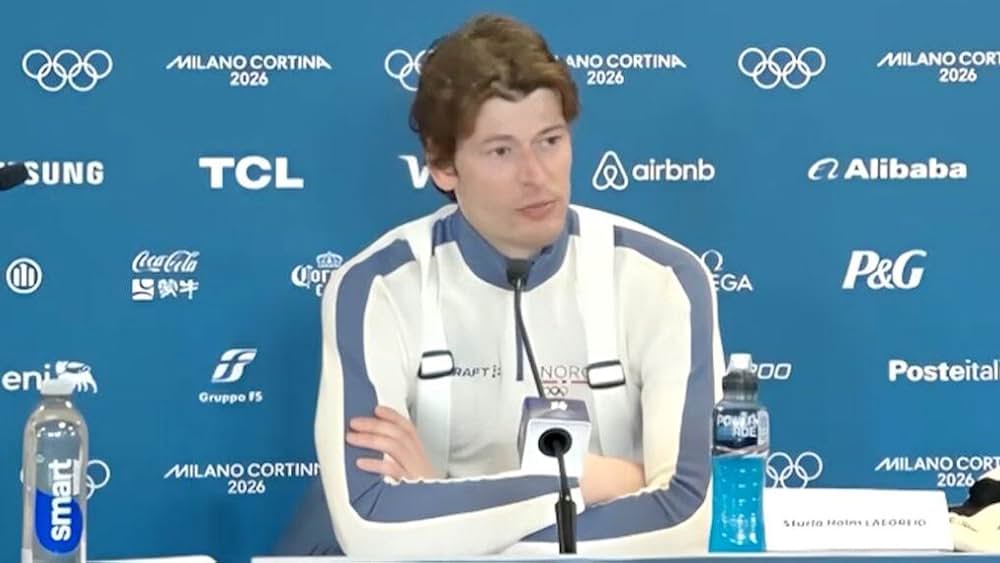
Sturla Holm Laegreid’s Shocking On-Air Confession
Sturla Holm Lægreid won bronze in the men’s 20 km biathlon and then, during a live interview, made a personal revelation that eclipsed the race. He spoke directly to viewers and to the person he addressed, expressing regret and asking for forgiveness.
The Live TV Moment That Stunned Viewers
Minutes after the podium ceremony, Laegreid sat for a televised interview with NRK. Cameras captured his raw emotion as he admitted on air that he had cheated on his girlfriend, a disclosure that immediately trended on social platforms and dominated headlines worldwide.
Viewers saw him steadying his voice, then breaking down. The setting — a formal post-race studio interview with teammates and officials nearby — made the confession unexpected and intense. Clips of the exchange circulated quickly, prompting widespread reaction from fans, commentators, and sports pages.
Breaking Down in Tears After a Hard-Fought Race
Laegreid looked physically spent from the 20 km event and emotionally overwhelmed during the interview. He had missed shots in the race and finished behind teammates, but the emotional weight of his personal admission seemed heavier than the competition itself.
He alternated between apologetic statements and visible tears, saying he felt he was committing “social suicide” to try to win the woman back. That phrase and his visible distress shaped public perception: many commentators noted how the athlete’s high-profile platform amplified the personal consequences of his actions.
His Words: Regret, Love, and a Public Apology
Laegreid framed the confession as both an admission of wrongdoing and a plea. He called the relationship partner “the love of my life” and described cheating as “the biggest mistake” of his life, expressing hope that the public truth might reach her.
He repeatedly said he wanted to be a good role model while acknowledging selfishness in making the admission on live television. Those specific phrases — regret, responsibility, and a direct apology — became the core of media reports, including coverage by major outlets such as NBC Norway’s Sturla Holm Laegreid admits cheating after winning bronze and the AP.
Details of the Affair and Personal Aftermath
Sturla Holm Lægreid’s bronze medal moment turned into an intensely personal public reckoning. He admitted to infidelity during a live interview, then faced immediate fallout in his private life and public reputation.
Timeline: Meeting, Mistake, Confession
Lægreid said the affair occurred about three months before the Olympics. He described it as a brief relationship outside his main partnership that he later recognized as a mistake.
He won bronze in the men’s 20km biathlon event and, during the post-race interview, tearfully confessed to cheating. The admission came within minutes of the podium ceremony and was broadcast across international outlets.
That rapid sequence—competition, medal, live interview—meant the confession reached millions before he or those involved could prepare statements or context. Media reports note he later referred to it as “the worst week of my life,” signaling immediate remorse and shock.
Impact on Relationship and Mental Health
Following the confession, Lægreid’s relationship status changed; outlets reported the girlfriend referenced became his ex-partner. The revelation prompted public apologies and visible emotional distress.
Athletes often face intense scrutiny; Lægreid’s admission added personal turmoil to professional pressure. He has spoken about regret and responsibility, and broadcasters captured him breaking down on air.
Friends, teammates, and national sports bodies reacted privately and publicly, while social media amplified criticism and sympathy. That mix intensified stress, forcing him to manage training, competition recovery, and personal healing simultaneously.
Choosing to Go Public: The Reasons Behind It
Lægreid said he decided to speak openly because he felt guilty and wanted to take responsibility in the moment. He framed the confession as an attempt to be honest rather than hide the truth.
The live admission was unplanned by broadcasters but became a deliberate moral act from his side; he apologized for stealing attention from teammates and for causing pain to those close to him.
By confessing immediately, he aimed to control the narrative and avoid prolonged speculation. Still, the choice meant confronting consequences publicly and expedited a painful, very visible process of accountability.
Bronze Medal Win in the Men’s 20km Biathlon
Laegreid finished third in a tightly contested race at the Anterselva venue, posting one of his best individual Olympic results. He combined strong skiing with generally reliable shooting to secure bronze behind two fellow top competitors.
Overview of the Race at the Milan Cortina Games
The men’s 20km individual at the Milano Cortina Games took place at the Antholz-Anterselva Biathlon Arena, a venue known for its altitude and challenging wind conditions. Johan-Olav Botn shot clean and skied strongly to take gold, while Éric Perrot of France earned silver, leaving Laegreid to claim bronze.
Race format penalized missed shots with time additions, which amplified the value of accurate shooting over pure speed. Weather and wind shifts during the day shuffled contenders, but Botn’s flawless shooting kept him clear of penalties. Laegreid managed only a small number of penalties, which, combined with his pace, kept him on the podium despite stiff competition.
Performance on the Track and Shooting Range
Laegreid skied the 20 km course with measured intensity, pacing himself on the climbs and pushing on the flats where he could gain seconds. His skiing splits ranked among the top group, though not the absolute fastest; the difference came from shooting performance and penalty time.
On the range he delivered solid marksmanship for most bouts, avoiding the multiple penalties that cost other athletes. The individual format’s one-minute penalty per miss magnified each shot’s importance; Laegreid’s consistency there converted into a podium spot. He showed composure under pressure uncharacteristic of an athlete who later broke down in the post-race interview.
Laegreid’s Historic First Individual Olympic Medal
This bronze represents Laegreid’s first individual Olympic medal, adding to his relay gold from Beijing and his multiple world championship medals. For a biathlete with a strong World Cup and world championship résumé, an individual Olympic podium had eluded him until Anterselva.
The medal marks a career milestone at the Milano Cortina Games and underscores his status within Norway’s deep biathlon squad. It also placed him among the medalists in an event that served as a significant Olympic debut moment for some rivals, while reinforcing Laegreid’s ability to convert championship experience into an individual Olympic result.
Spotlight on Johan-Olav Botn and Eric Perrot
Botn and Perrot produced one of the most talked-about performances of the biathlon program, combining flawless shooting, tight skiing, and visible emotion after the race. Their results reshaped the podium and highlighted shifting leadership within the sport.
Johan-Olav Botn’s Gold Medal Triumph
Johan-Olav Botn shot clean across all 20 targets and skied the 20 km in 51:31.5 to win Olympic gold in his first Games. He moved into the lead in the second prone stage and kept pressure on the field before producing a powerful final lap that sealed the victory.
Botn dedicated the race to a late friend and teammate, commenting that thoughts of him came during the last loop. His performance delivered Norway its first biathlon gold of the Games and added to the nation’s strong medal count.
Read more about Botn’s gold and emotional reaction in this race report from Reuters.
Eric Perrot’s Silver and World Cup Lead
Eric Perrot finished 14.8 seconds behind Botn to take silver after missing one target. The Frenchman remains a central figure this season as the overall World Cup leader, showing consistency across formats even when a single penalty cost him the Olympic top spot.
Perrot’s pace on skis kept him in medal contention throughout the race, and his mixed-relay success earlier at the Games underscored France’s depth. His silver here reinforces his status as a favorite in upcoming World Cup stages and championship events.
Further details about Perrot’s silver and his World Cup position appear in the AP report on the race.
Team Dynamics and Reactions
Norway left the range with gold and bronze, as Sturla Holm Lægreid completed the podium, reflecting strong team depth even after recent retirements of high-profile athletes. Team members and coaches emphasized clean shooting and mental resilience as decisive factors in Anterselva.
France celebrated Perrot’s podium while acknowledging the slim margins that separate victory from second place in individual races. Both nations now face intensified focus on strategy and athlete management as the season advances.
For context on Norway’s performance and its place in the Games’ medal standings, see the Biathlon World coverage of the event.
Reactions From the Olympic World
His post-race confession instantly dominated headlines, athlete feeds, and broadcast replays, shifting attention from the Milano Cortina Games podium to a personal scandal that unfolded live on air.
Media Coverage and Social Media Buzz
Broadcasters clipped the tearful interview across channels within minutes, and major outlets ran follow-ups that combined the race result with the personal confession. Coverage emphasized his emotional state, the timing after the 20km biathlon, and how the moment interrupted normal Olympic storytelling at the Milan Cortina Games.
On social platforms, the clip went viral. Threads split between condemnation, sympathy, and debate about whether the interview was an appropriate forum for such a disclosure. Hashtags tied to the biathlon event trended in Norway and several other countries, driving search interest for both the race outcome and his remarks.
Fellow Athletes and Commentary
Several teammates and competitors addressed the incident in brief press interactions. Some expressed concern for his wellbeing and praised his candidness about admitting a mistake, while others noted the awkwardness of a personal matter overshadowing a collective podium moment at the Milano Cortina Games.
Commentators and former athletes weighed in on talk shows and podcasts, discussing athlete media training and timing. Analysts contrasted his emotional honesty with the expectation that Olympians separate personal crises from competition day interviews, noting how high-pressure events complicate both performance and public statements.
Public Support, Criticism, and Discussion
Public reaction mixed support for his apology with sharp criticism about publicizing private relationship issues on live TV. Many said the confession felt like an attempt at public persuasion, while others argued he had a right to speak for himself after an intense week.
Online petitions and opinion pieces surfaced briefly, focusing less on sporting consequences and more on the social fallout. Conversations framed the episode within broader debates about athlete privacy, accountability, and the way moments at the Milan Cortina Games can be amplified by global media.
Legacy and the Human Side of Sports
Public achievements can lift an athlete’s profile while private mistakes reshape how fans, sponsors, and teammates remember them. The coming paragraphs look at how expectations and personal consequences interact after a high-profile confession.
The Pressure of Being a Role Model
Athletes like Sturla Holm Lægreid carry performance expectations and symbolic weight. Media coverage of a medal win amplifies scrutiny; endorsements, national federations, and youth fans all watch how he behaves off the track as closely as on it.
That scrutiny creates a narrow window for missteps. One public admission of an affair can prompt sponsors to pause, teammates to reassess trust, and young fans to question whom they should emulate. Institutions often respond quickly to protect reputations, which can accelerate professional fallout even when legal or competitive consequences are limited.
Teams and federations also face practical choices: discipline, counseling requirements, or public statements. Those responses shape an athlete’s legacy as much as race results do.
Balancing Private Pain and Public Success
Confessing a personal failing on live television forces private relationships into public view. The immediate emotional cost—strain on his romantic relationship and family life—compounds with longer-term reputational damage. He must manage personal repair while meeting training schedules and media obligations.
Practical steps matter: access to counseling, a mediated conversation with affected partners, and a clear plan with coaches about competitive focus. Without that support, stress undermines performance and mental health. Fans and officials often expect contrition, but recovery requires concrete actions: accountability measures, consistent behavior over time, and transparent communication with close stakeholders.
For Lægreid, maintaining competitive form while addressing personal consequences will determine whether his sporting legacy emphasizes resilience and reform or becomes overshadowed by the episode.
More from Vinyl and Velvet:

Leave a Reply