

You’re watching a cultural split unfold as a major pop figure steps into a tight political spotlight. Fans who once celebrated bold self-expression now question whether those gestures mask an effort to court a new, politically conservative audience after Minaj’s appearance at a high‑profile event drew sharp reactions online. You’ll learn why her comments and stage choices ignited backlash, and what those reactions mean for her influence and relationship with long‑time supporters.
Expect a close look at the moment that set this off, how the appearance at AmericaFest reframed public perception, and how reactions range from disappointment to calls for accountability. That context will help make sense of the larger conversation about celebrity politics and fan loyalty.
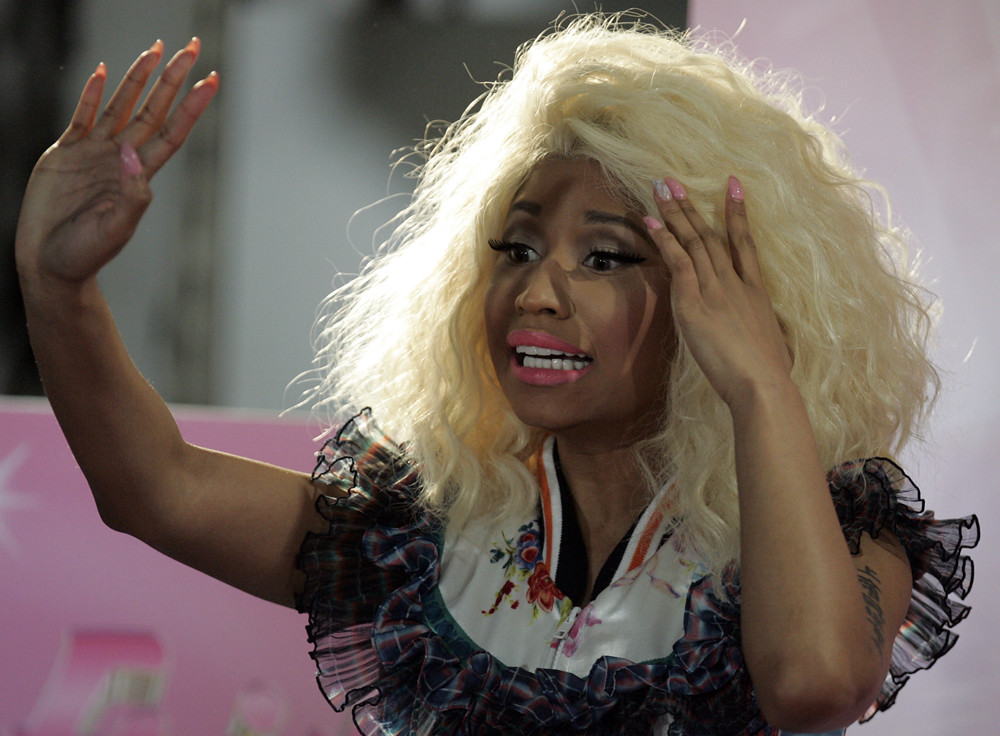
Nicki Minaj’s Turning Point: Controversy at AmericaFest
Nicki Minaj surprised attendees with a short, pointed appearance that touched on politics, religion, and gender. Her remarks and the event context sparked immediate debate across social platforms and within the entertainment and civil-rights communities.
Details of the AmericaFest Appearance
Minaj appeared at Turning Point USA’s AmericaFest in Phoenix during a four-day conservative conference organized by TPUSA leadership. Erika Kirk, who now leads the organization after Charlie Kirk’s death, introduced parts of the program that featured conservative speakers and cultural commentary.
Minaj delivered remarks from the stage and answered questions in a brief session. Video clips circulated showing her aligning with conservative attendees and expressing comfort speaking at a right-leaning event. Her presence at a TPUSA conference — given the group’s political profile — drew attention because it contrasted with her history of left-leaning fan support and pop-culture positioning.
Praise for Donald Trump and JD Vance
During the appearance Minaj offered statements that attendees interpreted as supportive of prominent conservative figures. She referenced favorable views toward Donald Trump’s political approach and echoed sentiments similar to comments made by Vice President JD Vance at the conference.
Vance’s earlier remark, “You don’t have to apologize for being white anymore,” resurfaced in discussions after Minaj’s slot, and Bernice King publicly responded to the broader rhetoric. Minaj did not deliver an extended policy platform, but her positive framing of certain conservative leaders signaled a visible shift to many observers.
Statements on Faith, Gender, and Christians in Nigeria
Minaj spoke about her Christian faith, describing renewed confidence to voice religious beliefs in public. She also made comments such as “Boys, be boys,” which critics read as dismissive of trans and gender-identity concerns and which generated sharp rebukes from LGBTQ+ advocates.
She highlighted violence against Christians abroad, specifically citing persecution affecting Christians in regions like Nigeria. That focus prompted debate: some praised attention on international Christian persecution, while others criticized what they saw as selective emphasis that minimized harms faced by other groups.
Social Media Fallout and Instagram Deactivation
The immediate online reaction included petitions, celebrity critiques, and trending hashtags calling out Minaj’s appearance. Calls for accountability ranged from denunciations by fellow artists to a Change.org petition urging deportation to Trinidad and Tobago, which gained notable signatures.
Amid mounting backlash, Minaj deactivated her Instagram account. Reports and press coverage linked the deactivation directly to the uproar, with commentators noting how quickly the dispute escalated from event footage to large-scale social-media consequences.
Fan Reactions and Political Ripple Effects
Fans immediately split over Minaj’s public shift, with strong reactions across social platforms and within the music community. Critics accused her of aligning with conservative figures and activists, while some supporters said she merely exercised personal faith and political choice.
Backlash from Fans and the Music Community
Longtime fans voiced disappointment and anger after Minaj’s appearance at Turning Point USA events and her public praise for figures aligned with Donald Trump. Many LGBTQ+ followers—who have formed a large part of her core audience—posted that they felt betrayed, citing her past support and celebration of queer culture.
Peers and music industry insiders also reacted; some colleagues publicly criticized her move, while others stayed silent to avoid political fallout. Social posts ranged from calls to boycott concerts to personal statements of hurt, and trending hashtags amplified negative reactions into mainstream coverage.
The backlash affected streaming conversations and ticket chatter, with promoters and venues monitoring sentiment closely. That mix of fan outrage and industry caution changed the tone around upcoming releases and appearances.
Accusations of Political Opportunism
Critics argued Minaj’s sudden alignment with right-leaning events suggested political opportunism rather than a stable ideological shift. Opponents pointed to the timing of high-profile appearances and the platform provided by Turning Point USA as evidence she sought to court a new or energized political fan base.
Commentators linked the move to a broader pattern where celebrities adopt visible political stances to gain media attention, prompting debate about authenticity. Supporters pushed back, saying personal belief and religious expression can coexist with an artist’s public life.
Accusations intensified when public figures contrasted Minaj’s stance with those of politicians like Gavin Newsom, who represent opposing values, framing her choices as a deliberate departure from her historically liberal-leaning fanbase.
Influence on Political Fans and Party Switching
Some fans publicly reported changing voter registrations or expressing openness to Republican candidates after Minaj’s statements, though data on large-scale party switching remains anecdotal. Conservative outlets highlighted individual cases of fans saying they would support Trump-aligned candidates; progressive outlets amplified stories of fans feeling driven away.
Grassroots organizers and voter-registration drives responded, using the controversy to either recruit disillusioned fans back to Democratic causes or to capitalize on newfound conservative interest. The net political effect in elections is unclear, but the episode energized partisan activists on both sides.
Minaj’s influence demonstrated how celebrity endorsements can spark political conversations and small-scale shifts in political identity—even if broader, measurable realignment among her millions of listeners is difficult to confirm.
More from Vinyl and Velvet:

Leave a Reply