

You’ll want to know why Nicki Minaj publicly slammed Gov. Gavin Newsom and why that spat has spiraled across platforms. Her sharp criticism centers on remarks Newsom made about Black and transgender communities, and his comments have sparked a fierce social media backlash that’s reshaping the conversation.
Stay with the timeline of the exchanges and the key quotes to understand how a celebrity callout turned into a wider debate about political messaging, race, and transgender youth. The next sections break down the online feud, the specific remarks at issue, and the policy and cultural stakes that keep people talking.
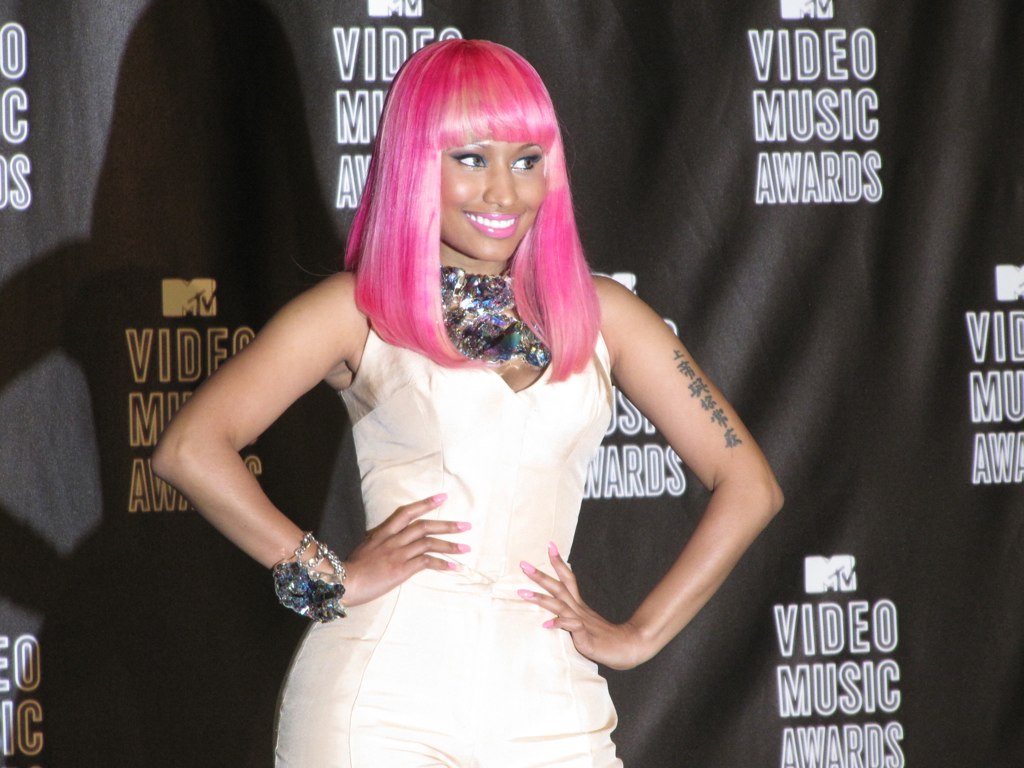
Nicki Minaj vs. Gavin Newsom: The Social Media Feud
Nicki Minaj publicly attacked California Governor Gavin Newsom over comments and policy positions, and the clash unfolded through dozens of posts that drew reactions from tech leaders, politicians, and media personalities. The exchanges moved quickly across X and other platforms, turning a localized spat into a wider culture-war flashpoint.
What Sparked the Clash Between Nicki Minaj and Gavin Newsom
A viral clip of Newsom making remarks in Atlanta — including a line about his SAT score — helped trigger Minaj’s attention, but the feud escalated when she accused him of supporting policies she framed as hostile to conservative values and trans issues. Minaj linked Newsom to broader culture-war topics, criticizing him for comments she portrayed as out of touch and calling him “wicked” in direct X posts.
Newsom responded subtly rather than with extended rebuttals. His one notable X reply used a short video clip paired with Megan Thee Stallion’s diss track “Hiss,” which many interpreted as a cheeky counterpunch rather than a direct engagement. That understated response further inflamed Minaj’s posts and led her to double down, encouraging fans to oppose him online.
The Role of X (Formerly Twitter) in Amplifying the Debate
X became the primary arena for back-and-forths: Minaj posted more than two dozen tweets aimed at Newsom, while his personal account offered a single, symbolic clip. The platform’s real-time reposting, quote-tweet culture, and algorithmic boosts helped each post reach millions quickly, turning private grievances into public spectacles.
Key mechanics amplified the feud: quote tweets allowed public figures and media to add commentary to original posts, and reposts from partisan accounts and personalities multiplied reach. X’s fast loop between celebrity audiences and political followings blurred entertainment and governance narratives, making it difficult for clarifying context to take hold before reactions proliferated.
Key Reactions: Elon Musk, J.D. Vance, and Other Public Figures
Elon Musk’s presence on X and history of intervening in content moderation gave his responses extra weight; his platform’s dynamics shaped how the exchanges spread. Conservative figures such as J.D. Vance amplified Minaj’s criticism, praising her stance and aligning it with broader MAGA talking points.
Media outlets like Fox News and personalities such as Charlie Kirk picked up the narrative, turning clips and quote tweets into segments that framed the dispute as emblematic of elite vs. populist cultural fights. Donald Trump’s allies and pro-Trump accounts reused Minaj’s posts to critique Newsom, while progressive commentators highlighted inconsistencies in Minaj’s past positions, creating a polarized thread of endorsements and rebukes.
Impact on the 2028 Presidential Race and Public Perception
The feud injected celebrity-driven spectacle into early talk about the 2028 field. Minaj’s alignment with pro-Trump themes and her high-profile attacks on a potential Democratic nominee like Newsom made the clash politically salient beyond entertainment headlines.
For Newsom, the viral nature of the exchanges risked reframing parts of his public image during an exploratory phase for higher office. For Minaj, the episode strengthened her visibility among conservative and MAGA-leaning audiences but also intensified scrutiny from outlets that track shifts in celebrity political alignments. Political operatives monitoring social sentiment saw the incident as a reminder that cultural flashpoints on platforms such as X can shift narratives around candidates well before formal campaigns begin.
Relevant coverage of the feud and Newsom’s reply can be read in reporting that details the X exchanges and reactions.
Trans Kids, Legislation, and the Broader Debate
The exchange centers on whether public figures should emphasize protections for transgender children or focus on specific policy trade-offs like sports eligibility and healthcare access. The discussion ties together elected officials’ voting records, celebrity commentary, and how that commentary aligns with partisan audiences.
Newsom’s Record on Pro-Trans Legislation and LGBTQ+ Rights
Gavin Newsom has signed multiple bills expanding LGBTQ+ protections in California, including measures on school support, nondiscrimination, and access to gender-affirming care for minors. He often cites legislative actions when defending his statements about transgender youth, and he has said he wants to “see trans kids,” noting personal ties such as a trans godson.
Critics point to specific votes or vetoes — for example, his caution around some health mandates — to argue he balances pro-trans policies with other concerns like competitive fairness in sports. Supporters highlight California’s expanded statutory protections under his governorship and the state’s role in national advocacy for the LGBTQ+ community.
Minaj’s Comments on Transgender Children and Public Backlash
Nicki Minaj publicly criticized Newsom’s phrasing around “wanting to see trans kids,” arguing adults should prioritize healthy, safe children and questioning political motives. Her remarks on X sparked sharp pushback from LGBTQ+ advocates and prompted discussion about celebrities’ influence on policy conversations about transgender children.
Minaj’s posts reinforced existing divides: some fans applauded her stance as protecting kids, while others accused her of aligning with anti-trans rhetoric. Her wider political shift and prior collaborations with figures like Mike Waltz have intensified scrutiny over whether celebrity commentary amplifies policy misinformation or shapes public debate.
Intersection with Conservative and MAGA Messaging
Minaj’s comments dovetailed with conservative outlets and MAGA-aligned accounts that framed Newsom’s remarks as politically risky for a presidential bid. Phrases used in her posts — and amplified by right-leaning media — fed narratives that the governor’s stance would alienate certain voter blocs.
Conservative amplification also connected Minaj’s critique to broader themes, including criticism of the White House on cultural issues and the use of platforms like White House TikTok for political messaging. This intersection highlights how celebrity interventions can be repurposed by partisan campaigns and social-media ecosystems.
Personal Stories, Religion, and Broader Cultural Implications
Personal anecdotes — from Newsom’s mention of a trans godson to testimonies from families of transgender children — shape much of the public discourse. Religious perspectives, like those invoked by groups focused on Christian persecution abroad, also influence how audiences interpret statements about transgender children and medical care.
Cultural threads appear in unexpected places: celebrity branding terms such as “va va voom,” family histories like estranged children or named relatives, and immigration or international human-rights topics can surface in debates. These elements complicate conversations by mixing policy specifics with identity, faith, and media spectacle, affecting how legislation and personal stories interact in the public sphere.
Relevant reading: coverage of Minaj’s X posts and Newsom’s comments can be found in reporting by USA Today.
More from Vinyl and Velvet:

Leave a Reply