

You felt the moment before the first note landed—Charlie Puth stepped up at Super Bowl 60 and delivered a controlled, emotional take on the national anthem that immediately sparked praise across social platforms. His understated piano-backed delivery and gospel-choir lift convinced many that he set a high bar for anthem performances at big events.
You’ll find quick reactions, social highlights, and why this particular rendition resonated beyond halftime spectacle. Expect a look at the performance itself, how fans and media responded, and what it might mean for how the league and artists approach future national anthems.
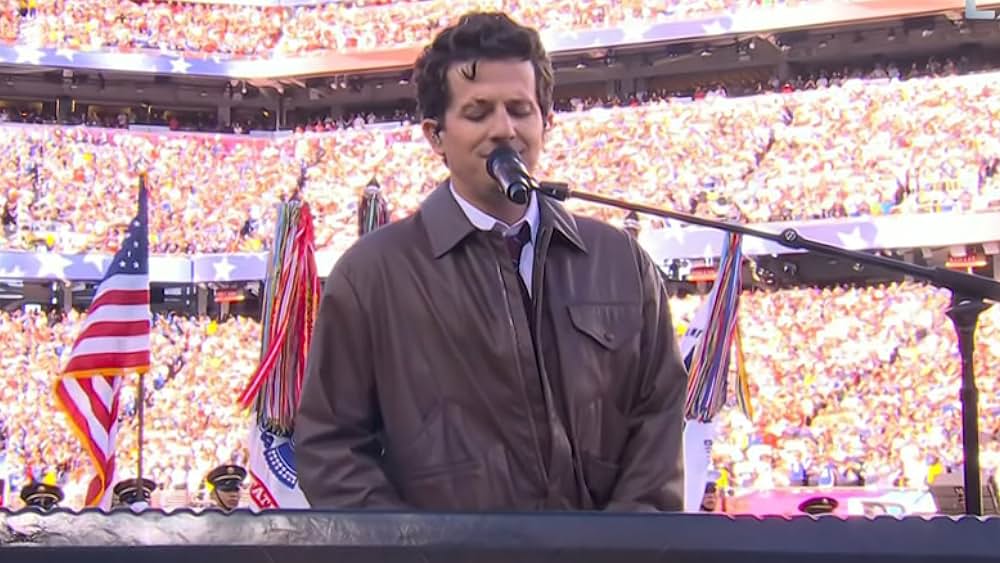
Charlie Puth’s National Anthem at Super Bowl 60
Charlie Puth opened Super Bowl LX at Levi’s Stadium with a controlled, melodic rendition of “The Star-Spangled Banner.” His delivery and arrangement choices shaped both live reactions in Santa Clara and the social media conversation that followed.
Pre-Performance Expectations and Build-Up
Fans and pundits noted Puth’s prior vocal performances and studio polish as context for his selection to sing the national anthem. Many expected a clean, modernized take rather than a traditional, operatic approach. Media outlets and social feeds highlighted anticipation for how he would handle the anthem’s wide interval jumps live at a major sporting event.
Event production added pressure: the NFL’s pregame timing, the stadium flyover, and broadcast audio setup at Levi’s Stadium required precise cues. Observers also discussed whether Puth would use vocal effects or lean into raw live resonance, given past pop performances and studio-era tendencies.
Key Moments During the Rendition
Puth began in a lower, intimate register, which drew immediate attention to phrasing and diction. He navigated the anthem’s opening phrases with measured breath control, then rose confidently on the climactic third stanza. The final sustained notes landed with a clear vibrato that many described as emotionally resonant.
A notable moment occurred during the high B-flat sequence; Puth executed it cleanly, avoiding pitch waver that can occur under stadium acoustics. Production visuals — camera close-ups and the flyover timing — emphasized the performance’s emotional beats and framed his vocal peaks for the TV audience.
Musical Arrangement and Vocal Range
Puth’s arrangement stayed close to the anthem’s traditional harmonic structure while adding subtle pop-influenced pacing. He avoided heavy re-harmonization, opting instead for slight rhythmic elongations on key syllables to add personal phrasing. Those choices kept the melody instantly recognizable while showcasing his interpretive touch.
His vocal range during the performance spanned approximately an octave and a half, moving from a chest-dominant lower register into a mixed/head voice for the anthem’s highest notes. That transition demonstrated control and reduced strain, which mattered under Levi’s Stadium’s live sound conditions.
Reactions From the Crowd at Levi’s Stadium
Crowd noise and applause punctuated several lines, especially after the strong sustained notes near the anthem’s end. Attendees posted real-time reactions praising the emotional clarity and phrasing of the rendition. Some listeners in the stadium also noted instances where studio-style polish felt present, sparking debate about live authenticity.
On social platforms, viewers compared the in-stadium response with the TV feed’s audio balance. Many praised the performance as powerful and respectful for Super Bowl LX, while a minority commented on perceived processing or auto-tune. Overall, Levi’s Stadium audience response leaned positive, with applause and standing appreciation during key moments.
NFL Fans’ Response and Cultural Impact
Fans praised the performance’s emotional delivery, piano backing, and clear vocal control while some questioned production choices and comparisons to past renditions. Reactions touched on patriotism, the halftime lineup, and the broader America 250 commemoration.
Social Media Buzz and Highlights
Many fans praised Charlie Puth’s piano-accompanied rendition, calling specific moments—like his phrasing on “the rockets’ red glare”—powerful. Posts from Patriots and Seahawks fans alike noted how the intimate arrangement contrasted with typical stadium anthems and fit Levi’s Stadium’s acoustics.
Highlights included clips of the flyover and audience reactions that trended on Twitter and Instagram within minutes. Brandi Carlile’s pregame set and Coco Jones’ performances also drew attention, but Puth’s anthem dominated sports and entertainment threads for hours.
Celebrities and Grammy-nominee peers shared praise, boosting visibility across platforms. Fan polls on sports sites and comment sections often placed Puth among the night’s most-discussed performers.
Comparisons to Past Super Bowl Performances
Viewers compared Puth’s delivery to iconic renditions by Whitney Houston and Lady Gaga, emphasizing emotional clarity over stadium theatrics. Critics noted that unlike big-production versions, Puth’s was more singer-songwriter—piano-led and restrained—similar in intimacy to some earlier memorable performances.
Fans contrasted the choice of Puth with previous vocalists like Bad Bunny and Green Day, pointing out a stylistic shift from high-energy acts to a more traditional, vocal-focused anthem. Some threads referenced “America the Beautiful” and “Lift Every Voice and Sing” moments from other ceremonies to gauge cultural weight.
Commentators measured longevity and replay value, debating whether this version would rank alongside widely remembered Super Bowl anthems. Many argued it would be remembered for its sincerity rather than theatricality.
Criticisms and Controversies
A segment of viewers criticized perceived auto-tune or vocal processing, arguing it lessened the live feel. Others raised questions about artist selection after past backlash to choices like Bad Bunny, debating whether the NFL balanced popularity, vocal ability, and cultural sensitivity.
Political threads—left and right—briefly surfaced, with some users framing reactions through partisan lenses when discussing America 250 and national symbolism. A few fans felt the anthem arrangement sidelined more diverse musical moments, citing calls for “Lift Every Voice and Sing” or additional representation in future ceremonies.
Technical complaints about stadium sound and TV mix appeared frequently, though independent clips often showcased cleaner audio, complicating judgments about live versus broadcast issues.
Significance for America 250 and Event Legacy
The performance fed into broader conversations about America 250’s cultural programming and how national ceremonies get curated. Puth’s selection, alongside Brandi Carlile and other pregame artists, signaled the NFL’s attempt to blend contemporary pop with commemorative moments.
Fans debated whether the anthem should emphasize historical reflection—invoking pieces like “America the Beautiful”—or contemporary unity. Mentions of “One Call Away” and other patriotic-leaning song choices showed audience interest in pairing modern artists with traditional material.
The moment will likely factor into legacy discussions for Super Bowl LX: some view it as a tasteful nod to musical craftsmanship during America 250, while others see it as part of ongoing debate over representation and programming choices at major national events.
More from Vinyl and Velvet:

Leave a Reply