

You won’t need to guess what’s at issue: a newly surfaced letter shows how Jeffrey Epstein sought to pressure and cultivate influence with figures like Bill Gates and Leslie Wexner to protect his interests and maintain access to power. The letter reveals direct attempts to remind wealthy associates of shared favors and secrets, signaling how he tried to leverage relationships to stay embedded in elite circles.
This post breaks down the letter’s key passages, explains the tactics Epstein used to lean on powerful friends, and traces links between those passages and other recently released documents. Expect a close look at Gates and Wexner, a survey of other prominent names appearing in the files, and what investigators and officials are doing now.
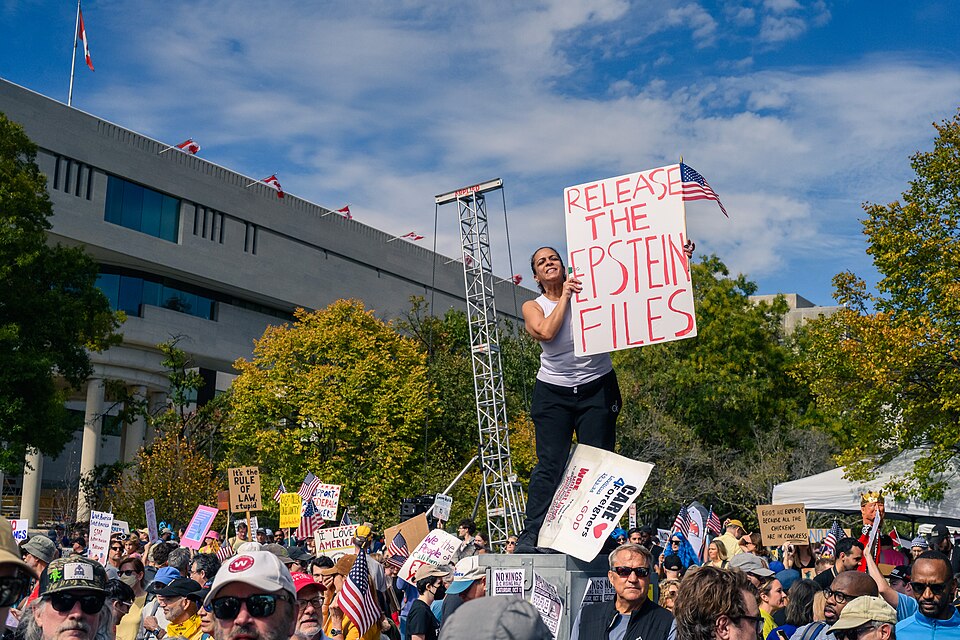
The Bombshell Epstein Letter: What It Reveals
The letter surfaces as a direct, sometimes blunt attempt by Epstein to signal influence and shared history with powerful figures. It names specific relationships, hints at leverage, and uses language that mixes casual familiarity with implied threats.
Epstein’s Wording and Tactics
Epstein writes in a tone that oscillates between conciliatory and insinuating, using short, familiar phrases when addressing individuals linked to him. He deploys name-checking—mentioning contacts in business and philanthropy—to remind recipients of prior interactions and mutual acquaintances.
He often frames requests as favors or reminders of past help, which lends the appeal a conversational veneer while reminding readers of potential obligations. That approach appears designed to normalize his access to elites like Bill Gates and to suggest reciprocity rather than coercion.
The letter also includes temporal anchors—dates and referenced events—that aim to make claims verifiable and harder to dismiss. This tactic raises the stakes for recipients by implying there is a written record of shared moments and exchanges.
References to Secrets and ‘Gang Stuff’
A draft included a blunt phrase about “gang stuff” and alluded to “secrets” between Epstein and Les Wexner, which signifies more than casual joking. The wording suggests a private shared history that could involve business arrangements, personal favors, or knowledge of compromising situations.
Those word choices function as shorthand for loyalty and complicity: they hint at behaviors or arrangements kept off public record. By invoking secrecy explicitly, the letter pushes recipients into one of two roles—defensive denier or cautious responder—because silence alone doesn’t erase the allegation.
Mentions of secrets carry legal and reputational weight when they link to powerful names in the released Epstein documents. The phraseology increases the potential consequence for anyone named, since it signals there might be corroborating material elsewhere in the archive.
Implications for Recipients
For Les Wexner, the letter revitalizes questions about the depth of his association with Epstein, prompting renewed scrutiny of timelines and financial ties. Public figures who receive such language face both legal exposure and intense media examination once documents circulate.
When the letter references figures like Bill Gates indirectly, it pressures recipients to clarify interactions and to document responses. Organizations tied to those individuals often move quickly to audit past engagements and release statements to limit reputational harm.
Practically, recipients must balance legal counsel, public relations, and the risk of further document releases in the Epstein archive. Each named person now contends with a written claim that can be cross-checked against emails, calendars, and other material in the broader Epstein documents collection.
How Epstein Leveraged Powerful Friends
Epstein positioned himself as a gateway to money, influence, and private access. He cultivated long-term relationships with wealthy patrons and used correspondence, introductions, and favors to keep them engaged.
Networking with Billionaires
Epstein targeted high-net-worth individuals who could offer financial backing or social capital. He maintained a long relationship with Leslie Wexner, managing Wexner’s finances and enjoying access to his homes and networks. Epstein also sought contact with Bill Gates, arranging meetings and correspondence that blurred lines between philanthropy and personal favors.
He pursued private equity figures such as Leon Black, pressing for payments and offering transactional help that sometimes involved handling sensitive matters. Epstein’s circle included social connectors — event hosts and media figures — who amplified introductions to tech and finance leaders.
This network functioned as both a safety net and a bargaining chip: sustained proximity to billionaires kept Epstein relevant and created leverage he could deploy when needed.
Influence Over Business and Philanthropy
Epstein presented himself as an adviser to philanthropic and corporate projects, offering counsel, introductions, and logistical support. He cultivated relationships with figures tied to philanthropy and government policy, including academics and former officials, to bolster credibility for grantmaking and research initiatives.
Those ties allowed him to insert himself into boardrooms and donor circles; he proposed projects and connected donors to potential collaborators. At times, he handled or suggested payment arrangements and investigative tactics for associates, a role that blended financial services with personal problem-solving for wealthy clients.
This mix of advisory work and access let Epstein shape who got meetings, who received funding, and how reputational risks were managed within elite philanthropic and business networks.
Maintaining Ties Despite Conviction
Even after his 2008 conviction, Epstein preserved lines of communication and influence with many contacts. Documents and released emails show continued exchanges with prominent figures who sought his company or expertise, indicating that past conduct did not fully sever ties.
He used documentable correspondence and in-person visits to remind allies of shared history, at times implying reciprocal favors or confidences to ensure loyalty or silence. Some associates continued to accept introductions, attend events, or pay for services linked to Epstein, demonstrating how entrenched relationships can survive legal and public setbacks.
Maintaining these ties gave Epstein ongoing leverage and created ambiguity around how much his network knew about his behavior.
Using Emails and Letters as Leverage
Epstein crafted written messages that ranged from conciliatory to intimating, often suggesting he held damaging information. Draft letters to Leslie Wexner and self-addressed emails referencing figures like Bill Gates reveal a strategy of documenting interactions and potential secrets.
He sometimes wrote to himself or to others in ways that recorded alleged favors, travel, or arrangements; those records doubled as reminders to recipients and potential bargaining chips. He leveraged email trails and physical drafts to nudge payments, demand discretion, or reestablish influence.
By framing correspondence as archives of shared histories, Epstein turned routine communications into instruments of pressure and leverage.
Bill Gates and the Web of Connections
Gates met Epstein multiple times between 2011 and 2014 and discussed a possible charitable fund. Meetings, emails, and intermediary contacts show Epstein tried to stay connected through mutual associates and by offering to mediate personnel disputes.
Email Exchanges and Meeting Attempts
Emails show Gates first met Epstein in early 2011 and attended dinners at Epstein’s Manhattan townhouse. Gates described Epstein’s “intriguing” lifestyle in an internal note but said it would not work for him. Records indicate repeated contacts through 2014, including invitations and mentions of travel; one 2011 email even included a brief “gates to island” reminder, though Gates has denied visiting Epstein’s island.
Epstein sought Gates’ involvement in a donor-advised fund and sent messages positioning himself as a conduit to other wealthy donors and banks. Gates and his spokespeople say their conversations focused on philanthropy and that the proposed fund fizzled by late 2014. The newly released documents also include claims from Epstein and others that Gates engaged in misconduct; Gates and his foundation have denied those allegations.
Role of Boris Nikolic and Other Associates
Boris Nikolic, a Gates Foundation adviser, appears repeatedly in the records as a connector between Gates and Epstein. Epstein communicated with Nikolic and with Gates Foundation staff about philanthropic ideas and, at one point, helped negotiate a severance matter that involved Nikolic after the foundation dismissed him in 2013.
Other intermediaries—named in emails and texts—helped arrange meetings and relay messages. Lesley Groff appears in the Epstein files as an associate who facilitated contacts across his network, though her direct role with Gates is less central than Nikolic’s. The pattern shows Epstein leveraging existing relationships to insert himself into Gates’ philanthropic discussions and personnel matters.
Impact on the Bill and Melinda Gates Foundation
The Gates Foundation flagged Epstein as a problematic partner by the mid-2010s and ultimately cut ties when staff judged Epstein’s proposals and capabilities illegitimate. Internal messages and later public statements emphasize that foundation leaders limited contact to philanthropy-related topics and terminated involvement when concerns surfaced.
Epstein’s attempts to position himself as a fundraiser or advisor created reputational risk that the foundation had to manage. Documents released recently include exchanges about proposed projects and personnel issues; the foundation maintains that no financial relationship or formal partnership resulted from those discussions.
Leslie Wexner’s Relationship with Epstein
Wexner and Epstein maintained a close, multi-decade association that mixed financial management, property ties, and personal favors. Newly released Epstein documents show interactions that extended beyond ordinary adviser–client work and that later drew heavy scrutiny.
The $100 Million Payment
Documents and reporting show Epstein managed large sums for Wexner and handled Wexner-related assets, including real estate in New Albany. At the center of public attention is reporting about a roughly $100 million movement tied to their relationship, which investigators and journalists have flagged while reviewing the Epstein files.
Wexner long gave Epstein broad authority over financial matters, and records suggest transfers and investments flowed through trusts and accounts Epstein controlled. The $100 million figure appears in the context of asset shifts and consultant fees rather than a single labeled “payment,” complicating precise accounting.
Those details matter because they underscore how Epstein acquired wealth and access. The Epstein documents include drafts, emails, and records that show correspondence about money and property, which investigators have used to map links between Epstein’s finances and Wexner’s holdings.
Shared Secrets and Ongoing Fallout
An undated draft letter from Epstein to “Les” references “gang stuff” over 15 years, implying a history they both understood. That phrasing, surfaced in the Justice Department’s release of Epstein materials, renewed questions about what Epstein might have used as leverage.
Wexner has denied wrongdoing, and no criminal charges tied him to Epstein’s trafficking convictions have been filed. Still, journalists and officials cite the Epstein documents to examine whether Epstein kept compromising information or orchestrated exchanges that created mutual obligations.
Public and legal fallout followed: Wexner stepped back from public roles, institutions reviewed past donations and honors, and reporting continued to parse the Epstein documents for further evidence of how their relationship affected both men’s reputations.
Relevant reporting on the draft letter and related files appears in The New York Times’ coverage of the newly released Epstein documents.
Other High-Profile Names in the Latest Files
Documents show photos, emails, and schedules linking Epstein to a range of public figures and powerful allies. Some materials portray social invitations and travel logistics; others contain explicit or unverified allegations and candid internal notes.
Andrew Mountbatten-Windsor and Royal Invitations
The release includes photos of Andrew Mountbatten-Windsor in intimate poses with an unidentified woman; the files give no clear context for when or where they were taken. He has repeatedly denied wrongdoing, and public reaction included calls for him to provide information to investigators about his relationship with Epstein. Parliamentary and media attention increased after these materials surfaced, and officials publicly urged cooperation with U.S. inquiries. The documents do not by themselves establish criminal conduct, but they add to previously reported connections between Epstein and members of elite social circles. Readers should note the images are part of a larger evidentiary set under review by journalists and investigators.
Elon Musk and the Silicon Valley Links
Emails show Elon Musk exchanged messages with Epstein about island visits and holiday plans in the Caribbean, including references to potential travel on Epstein’s flights. Musk said he had limited correspondence and denied attending Epstein’s island or flying on the so-called “Lolita Express.” Other Silicon Valley figures appear in the broader release, including mentions of dinners and private gatherings that linked tech executives to Epstein’s social network. These records document invitations, scheduling notes, and occasional guest lists rather than proof of illegal activity, but they highlight Epstein’s ongoing contact with prominent tech leaders after his registration as a sex offender.
Political Power Players: Trump, Bannon, and More
The files contain hundreds of references to Donald Trump, including a 2009 deposition statement by Epstein’s former house manager denying Trump stayed at Epstein’s Palm Beach home. Trump has maintained he cut ties decades ago and cited documents as exculpatory. Nearly two hours of recorded material show Steve Bannon interviewing Epstein and previously exchanged communications about media projects; emails also indicate gifts and coordinated interactions. Other political and financial names appear across the files in varying roles—from event invitations to transactional notes—creating a web of interactions that investigators and journalists continue to parse.
Government Response and Continuing Investigations
Government officials expanded document reviews, corrected redactions, and faced new congressional and public pressure. Agencies focused on whether the files reveal co-conspirators, failures in past prosecutions, or procedural lapses tied to high-profile names.
The Justice Department’s Role
The Department of Justice led the review and public release of millions of pages tied to Epstein’s case, including emails, internal reports, and investigative records. DOJ officials said they prioritized material bearing on potential co-conspirators and evidence relevant to past sex trafficking charges, while balancing privacy and ongoing investigative interests.
DOJ attorneys coordinated with U.S. attorneys’ offices and federal investigators to determine what could be disclosed without jeopardizing active probes. They also handled legal disputes over sealed materials and responded to court orders and congressional mandates that accelerated public disclosure.
The department has faced criticism over past handling of the case and how plea deals were negotiated. Officials have said recent releases aim to correct the record, and they continue to examine referrals and uncorroborated tips in the files for prosecutive leads.
Release and Redactions of Epstein Files
The government released a massive tranche of Epstein-related documents, including millions of pages, thousands of images, and videos. Review teams redacted names of victims and sensitive personal data; however, advocates and lawyers for victims flagged numerous botched redactions that exposed identities, prompting DOJ to reprocess thousands of files.
Deputy officials explained that images of women were largely redacted except for convicted co-conspirator Ghislaine Maxwell. The pace and volume of the release created logistical and legal challenges, and some documents contained uncorroborated tips and raw investigatory notes that required contextual framing before public posting.
Public scrutiny over specific names, including connections to financiers and institutions, intensified after the release. News outlets and lawmakers parsed the material for evidence of wrongdoing or institutional links, while DOJ continued targeted reviews where referrals or credible allegations emerged.
Push for Transparency and New Legislation
Congress moved to increase oversight and mandate broader disclosure after criticism of past secrecy around Epstein’s case. Lawmakers passed measures that compelled the Department of Justice to release additional Epstein files and set deadlines for disclosure, aiming to ensure victims’ voices and investigative records were accessible.
Victims’ attorneys and advocacy groups pushed for statutory changes to prevent improper redactions and to protect victim privacy during releases. At the same time, some legislators proposed stricter rules governing prosecutorial transparency and accountability in high-profile plea deals.
The legislative effort referenced the newly released tranche and sought to clarify procedures for future large-scale document disclosures, including standards for redaction, interagency coordination, and timelines. Those measures aimed to reduce delays and errors while preserving the integrity of ongoing criminal investigations involving potential co-conspirators.
More from Vinyl and Velvet:

Leave a Reply