

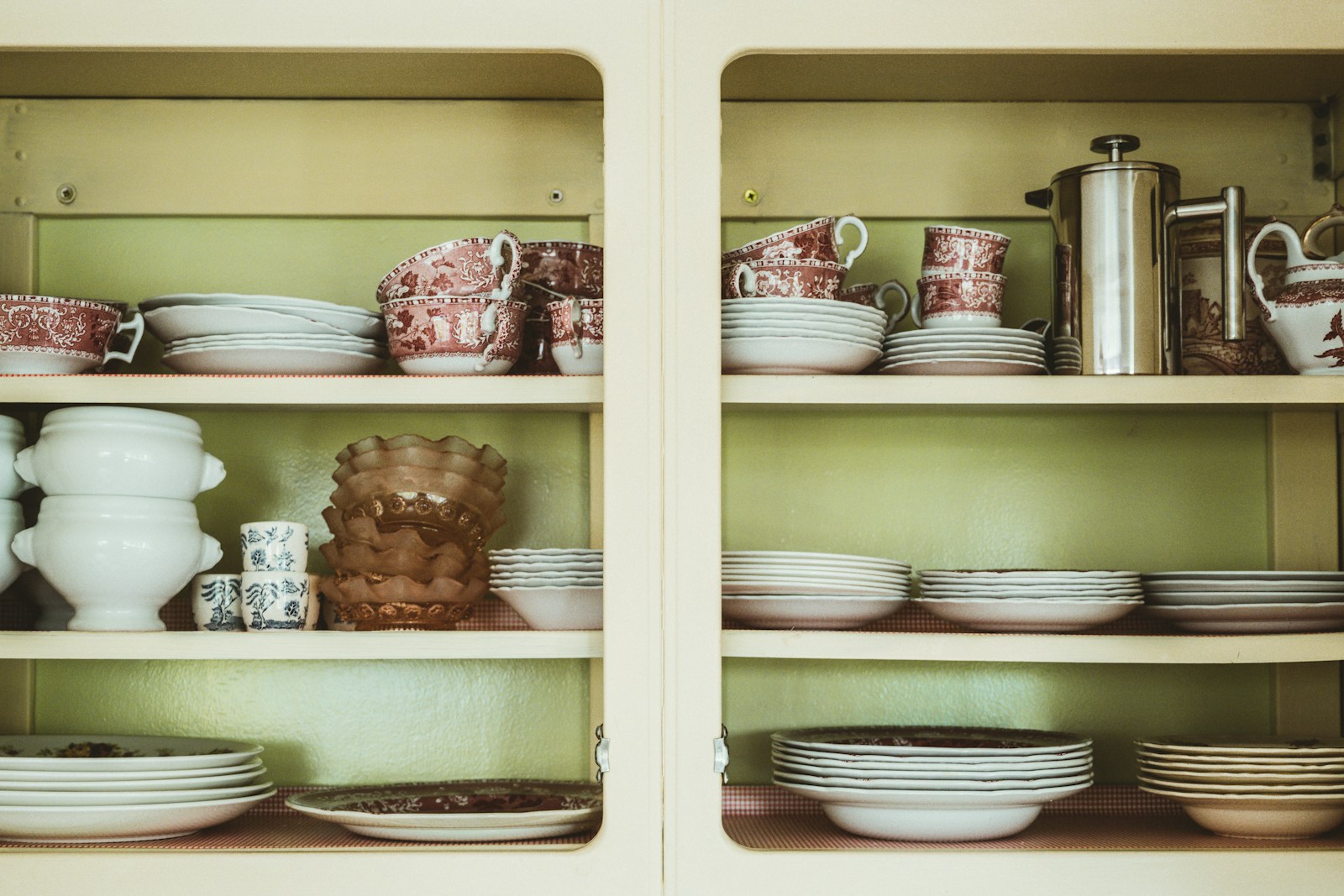
Picture this: It’s a sunny Saturday morning, and your stepdad decides it’s time to “organize” the kitchen. Sounds harmless enough, right? But then you find out he’s taken the liberty of decluttering in a way that sends shivers down your spine. That’s the scene that unfolded for one young woman when her stepdad donated her late mother’s beloved vintage dishes. Now, she’s left grappling with feelings of loss and frustration, while he shrugs it off as “just plates.”
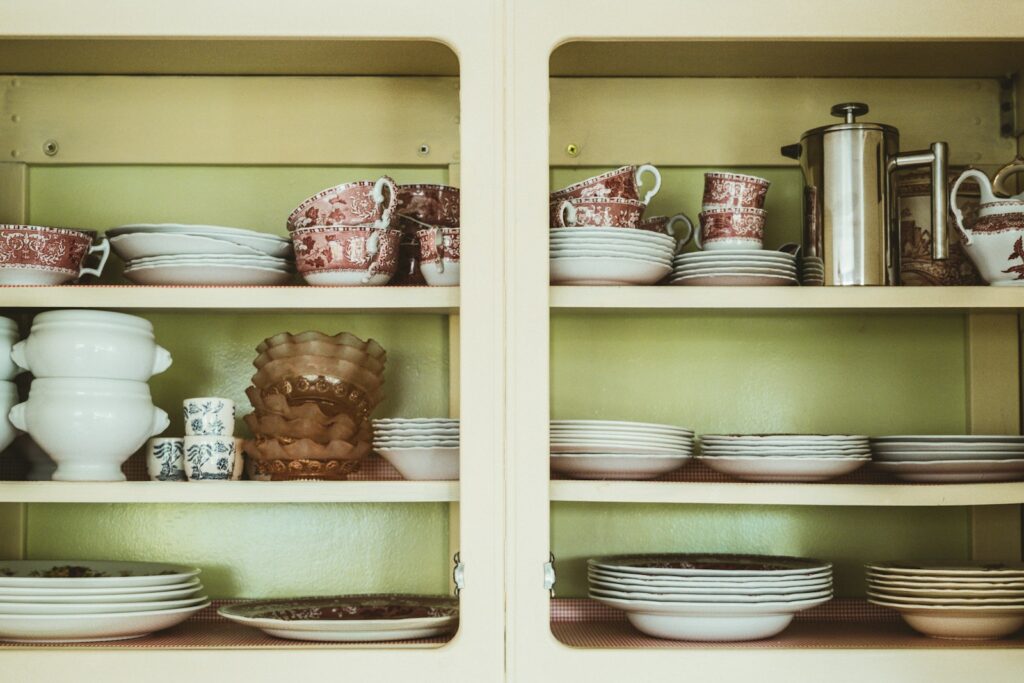
A Family Heirloom Gone Awry
For many of us, kitchen items can hold a deeper meaning than mere functionality. They tell stories, evoke memories, and connect us to our family history. For this young woman, those vintage dishes were remnants of family gatherings, laughter, and love shared around the dinner table. They were more than just dinnerware; they were a part of her mother’s legacy.
But in his quest to create a more “efficient” kitchen, her stepdad didn’t just toss out clutter—he discarded a piece of their family history. When she discovered that the cherished dishes were gone, her heart sank. She felt a mix of anger and sadness, not just for the loss of the plates but for what they represented: a connection to her mother and the memories they held.
The Stepdad’s Perspective
Now, let’s pause for a moment and think about the stepdad. He probably thought he was doing something good. Maybe he believed he was helping to lighten the load of a kitchen that had seen better days. Or perhaps he just wanted to make space for new memories—like the ones he hopes to create with his new family. But, as many of us know, intentions can sometimes miss the mark.
When he said, “They’re just plates,” he might have genuinely thought he was being practical. After all, they were collecting dust, right? It’s easy to overlook the emotional weight that certain items carry. Yet, for the daughter, those “just plates” were a tangible connection to her mother—something she could hold onto in the midst of grief and change.
Understanding Grief and Attachment
Grieving the loss of a loved one is complicated. It isn’t just about saying goodbye; it’s about holding onto the pieces of them that remain—whether it’s their favorite sweater, a cherished recipe, or yes, even vintage dishes. This young woman’s reaction isn’t just about plates; it’s about the deep emotional bond she has with her mother’s memory.
It’s a reminder that grief can manifest in unexpected ways. Sometimes, it’s through tangible items that we keep as a way of remembering. So, it’s completely valid for her to feel hurt, even if her stepdad doesn’t understand why. It’s one thing to move on with life, but it’s another to feel like a part of your past has been swept away without a second thought.
Open Communication is Key
So, what’s the best way to handle this situation? Open communication is essential. It might be tempting for the young woman to keep her feelings bottled up, thinking her stepdad will never understand. But expressing her emotions could pave the way for a deeper understanding between them.
She could start by saying something like, “I know you were trying to help, but those dishes meant a lot to me. They remind me of my mom, and losing them hurt more than you might think.” This way, she’s not only sharing her feelings but also inviting him to understand her perspective. After all, he might not realize just how significant those plates were.
Finding Common Ground
Once they’ve had that conversation, they might find some common ground. Maybe he could help her search for similar dishes or even plan a special dinner using whatever dinnerware they have left. Turning this situation into an opportunity for bonding could be a silver lining. Who knows? They might even discover new family traditions along the way.
Ultimately, it’s about navigating the complexities of blended families with empathy and understanding. Family dynamics can be tricky, especially when emotions are involved. But with a little patience and openness, there’s always room for healing and connection.
More from Vinyl and Velvet:

Leave a Reply