

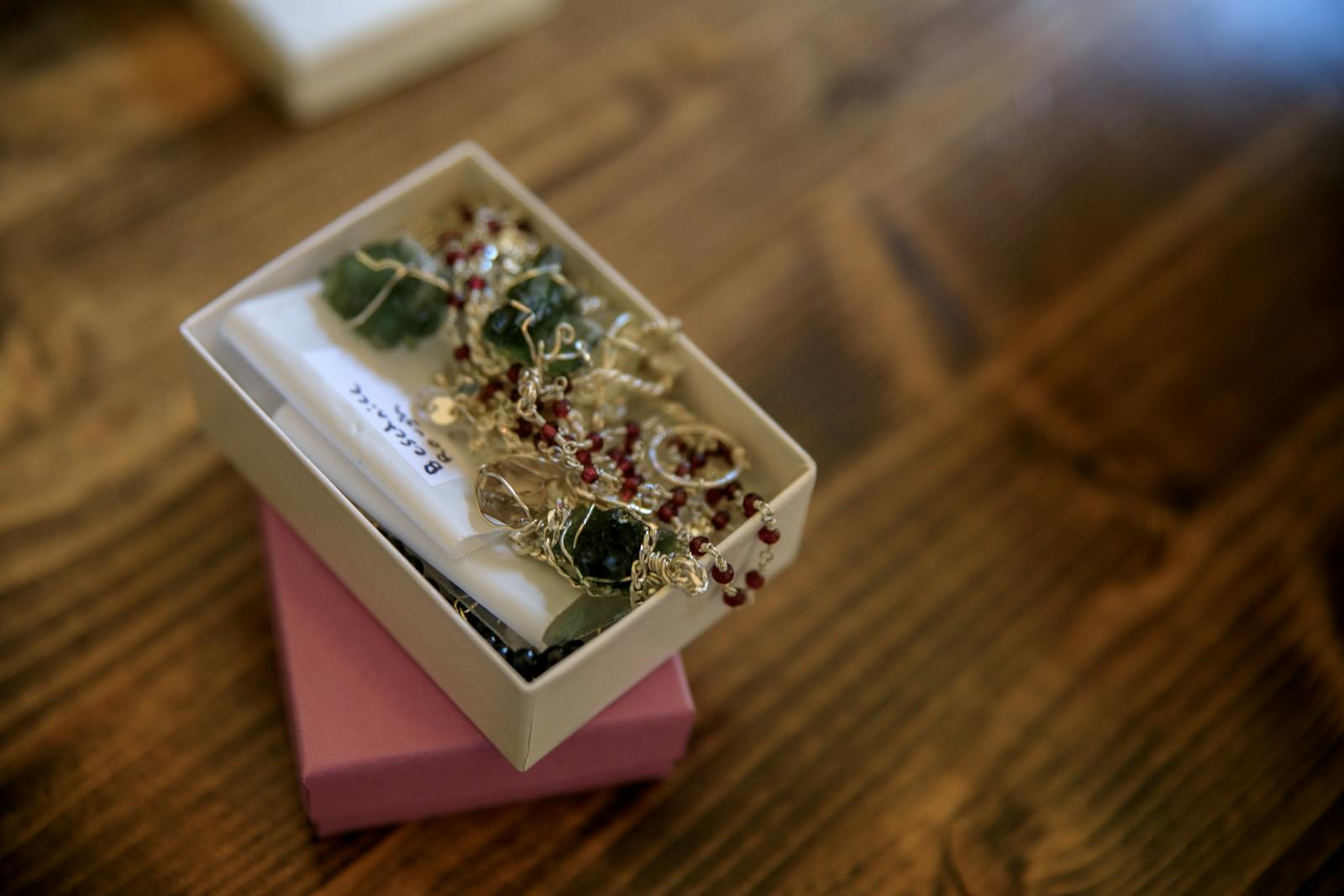
Picture this: you’re sifting through boxes in the attic, surrounded by dusty memories and the faint smell of long-forgotten lavender sachets. You come across a jewelry box that belonged to your late mother. Inside, you find pieces that tell stories—her favorite necklace, a pair of earrings she wore on special occasions, and that quirky brooch she never quite pulled off but loved anyway. Now, imagine your sister, in a moment of what seems like misguided generosity, deciding to donate these precious items during a chaotic move. Here’s where it gets really juicy: she thinks you’re the bad guy for not trusting her with your house. Let’s unpack this, shall we?
When Sentimental Meets Practical
Moving is an emotional rollercoaster. You’re sorting through years of stuff, trying to figure out what to keep, what to toss, and what to donate. It’s easy to lose track of what’s truly valuable in the chaos. But when it comes to family heirlooms, especially those linked to a deceased loved one, the stakes feel higher. Your sister, in an attempt to declutter and perhaps lighten her own load, saw those pieces as just “stuff.” But for you? They’re precious links to your mom.
It’s not that your sister meant any harm; she probably thought she was helping. But the reality is, she crossed a line that’s hard to come back from. It’s like someone offering to help you clean your house and then throwing out your favorite mug because it doesn’t match their decor. It stings, right? You’re left wondering how to trust someone with more than just your belongings—how do you trust them with your memories?
Understanding the Emotions at Play
Let’s take a moment to acknowledge the emotional whirlwind here. Losing a parent is tough, and the things they leave behind often carry more weight than any material value. They’re tangible reminders of love, lessons, and laughter. When your sister decided to donate those items, she might have been acting on impulse, without fully grasping how deeply you cherish those memories. It’s a classic case of “you don’t know what you’ve got until it’s gone,” but instead, we’re dealing with “you don’t know what’s significant until it’s donated.”
Now, your sister feels like you’re punishing her for her actions. She might even think you’re being a little dramatic. But here’s the thing: it’s okay to feel hurt. It’s okay to set boundaries. If she can’t respect that your mom’s things are sacred to you, it’s fair to question her judgment on other matters, including your house.
Setting Boundaries without Burning Bridges
So, how do you navigate this emotional minefield? First off, communication is key. Sit down with your sister over a cup of coffee—maybe even with a slice of cake to ease the tension. Explain how you feel about the jewelry. Share your memories tied to those pieces, and let her know that it wasn’t just jewelry; it was a piece of your heart. Help her understand that it’s not about distrust; it’s about protecting what’s dear to you.
It’s also important to clearly outline your boundaries. If you’re not comfortable letting her take care of your house while you’re away, that’s perfectly reasonable. Maybe you can suggest other ways she can help. Perhaps she could offer to babysit your plants or help pack boxes instead—something that feels less personal and more practical.
Trust Takes Time
Trust isn’t built overnight, especially after a breach like this. It’s like trying to put together a puzzle with a missing piece. You can still see the bigger picture, but there’s a gap that needs filling. It’ll take time for both of you to heal from this; for her to understand your perspective and for you to feel comfortable again. Remember, it’s not just about the jewelry—it’s about the trust and love that bind you as siblings.
And hey, if all else fails, you could always get a lock for your jewelry box. Just kidding! But seriously, navigating family dynamics is tricky business. It’s important to balance empathy with your own needs. After all, family is about understanding, even when it’s tough.
More from Vinyl and Velvet:

Leave a Reply