

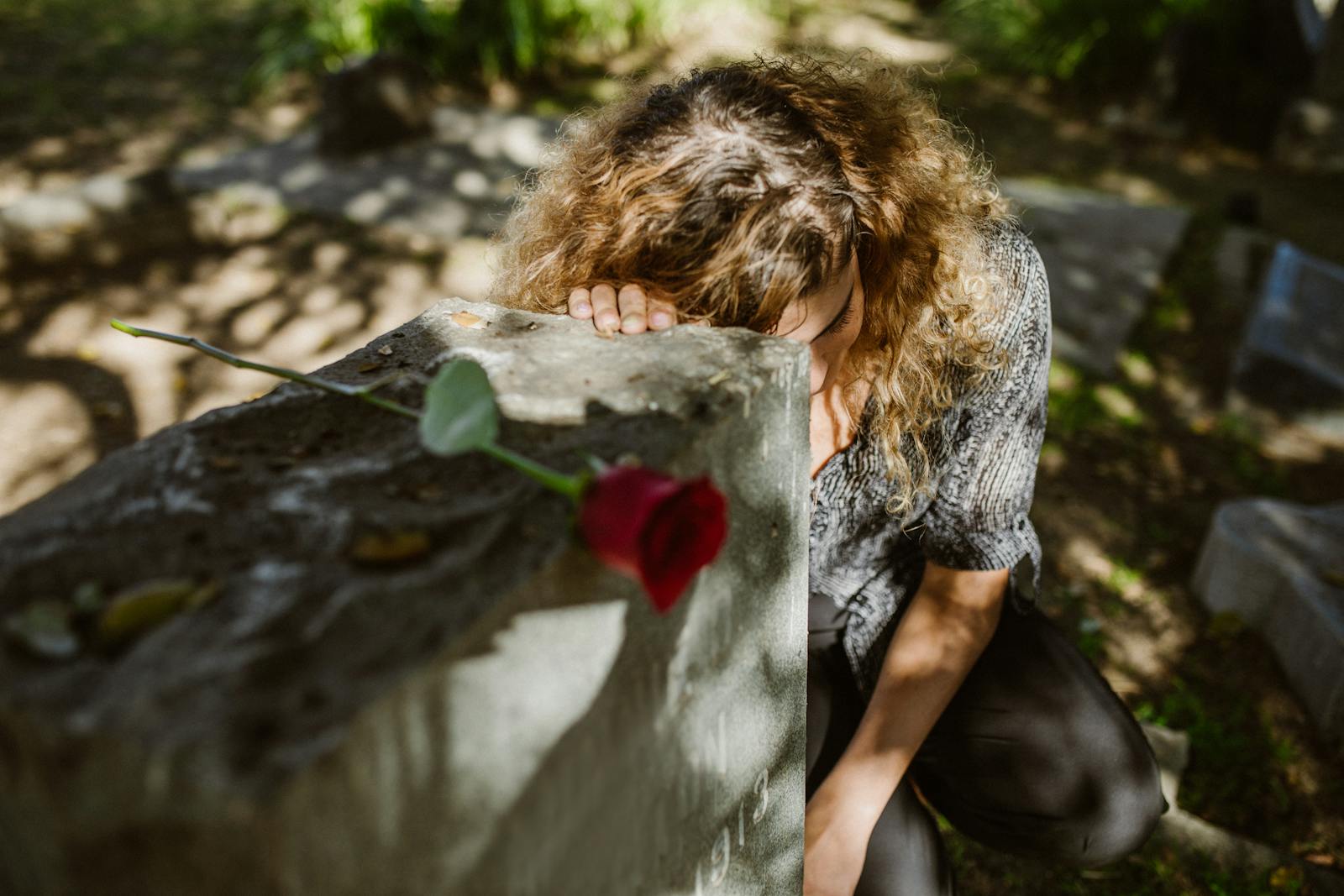
The death of a parent can shatter whatever fragile peace exists in a family, especially when long-buried tensions suddenly attach themselves to a single, explosive accusation. In one common scenario, a mother dies, her relatives decide the father must have abused her, and the couple’s child is left in the crossfire as grief mutates into a bitter feud. What may look from the outside like a simple question of guilt or innocence is often a more complicated collision of grief, memory, and unresolved history that can turn mourning into an all-out war.
Experts on bereavement and conflict describe a pattern that repeats across families: heightened emotions, competing narratives about the past, and a scramble for moral certainty that can scapegoat one person and isolate those who do not fall in line. For the adult child who loved both parents, the result is a uniquely painful position, forced to navigate loyalty, doubt, and self-protection while relatives demand that they choose a side.

How Grief Turns Into Accusation
When a parent dies, relatives often search for a story that makes sense of the loss, and accusation can feel like an answer. Grief specialists note that in the early period after a death, emotions are highly charged and family members may be primed to see patterns of mistreatment or neglect that were never clearly named while the person was alive. Guidance on handling conflict after a death stresses that emotions are “heightened” and that people may misinterpret each other’s words or actions as hostile, especially when they are already struggling with shock and sadness. That volatile mix can quickly turn a vague unease about the marriage into a conviction that the surviving spouse must have been abusive, even when that belief rests more on feeling than fact, as described in advice on how to handle family conflict.
Bereavement support organizations point out that family members rarely grieve in the same way or at the same pace, and that difference alone can trigger suspicion. Some relatives may express intense anger, while others appear numb or practical, and those contrasts can be misread as evidence that someone is hiding something. One resource on family conflict after urges people to remember that everyone shows grief differently and warns that jumping to conclusions about another person’s reaction risks deepening disputes instead of resolving them. When relatives decide that a composed father must be cold or guilty, or that a distraught aunt must be seeing the truth, the need for emotional coherence can override any careful look at the actual history.
The Scapegoat Child Caught Between Two Stories
For the child of the deceased mother and the accused father, the emotional terrain is even more unstable. Grief educators describe families as systems of “interconnected and interdependent individuals” in which one person’s reaction can set off a chain effect across the group, and when that system is rocked by death, roles often shift abruptly. In material on family misunderstanding after, practitioners explain that loss can make people “act kind of crazy” and that miscommunications multiply when everyone is raw, which helps explain why a son or daughter who refuses to label their father an abuser can suddenly be cast as disloyal or complicit by their mother’s siblings.
That dynamic often leaves the child in a classic scapegoat position, blamed for not grieving “correctly” or for failing to validate the narrative that the extended family finds most comforting. Therapists who work with people from high-conflict families describe a pattern in which one person becomes the repository for others’ anger and guilt, especially after a death, and some resources on disenfranchised grief highlight how scapegoated relatives can feel that their own mourning is invisible or invalidated. A video discussion of disenfranchised grief by Blake Anderson in Toronto, Ontario, notes that people in this position often experience a double loss: the death itself and the sudden collapse of family support just when they most need it.
Why Old Wounds Erupt After a Parent’s Death
Conflict after a parent’s death rarely starts from scratch; it usually exposes fractures that were already there. Guidance on dealing with a notes that losing a parent can make a person feel like their world has been turned upside down, and that unresolved resentments about childhood, caregiving, or perceived favoritism often surface once the stabilizing presence of the parent is gone. If some relatives already believed the father was controlling or emotionally distant, the mother’s death can become the moment when those impressions harden into allegations of abuse, even if there was never a clear disclosure or documented incident.
Family relationship experts describe how dysfunctional patterns around finances, caregiving responsibilities, and communication can intensify when someone dies, especially if there were disagreements about medical decisions or end-of-life care. A resource on difficult family relationships outlines common causes of conflict, including long-standing power struggles and unclear boundaries, which can all be projected onto the question of whether the surviving spouse “treated her right.” When relatives feel guilty that they did not intervene earlier or did not visit more often, it can be psychologically easier to redirect that guilt into rage at the father and pressure on the child to join the condemnation.
Funeral Planning as a Flashpoint for War
The immediate practical tasks after a death often become the first battlefield. Funeral directors and grief professionals consistently report that disagreements about services, burial, and rituals can ignite deeper grievances that have nothing to do with the color of the flowers or the choice of music. One guide on navigating family conflict emphasizes that clear communication is essential and that decisions should align with the deceased’s wishes, yet in high-conflict families, relatives may weaponize those details, accusing the father of disrespecting the mother’s memory or insisting that his choices prove he never cared.
Professionals who support grieving families at funerals describe how anger often lands on the person who is most visible or in charge, which is frequently the surviving spouse. Practical advice on how to handle difficult families notes that when someone lashes out, the frustration usually comes from grief rather than the specific logistical issue being discussed. For the child watching an argument over whether there should be a religious service or a secular celebration, or whether cremation honors or betrays their mother’s values, it can be clear that the real fight is about who gets to define the story of her life and death, and whether the father is cast as loving partner or hidden villain.
Managing Conflict Without Becoming Collateral Damage
Experts on grief and conflict repeatedly stress that the only part anyone can reliably control is their own behavior, which is both limiting and liberating for the child trapped between warring relatives. Conflict specialists advise that remembering anger is a normal reaction to loss can help a person avoid taking every accusation personally, and that in some highly conflictual situations, creating distance may be necessary to protect mental health. Guidance on grief and conflict suggests that stepping back from heated exchanges and setting clear limits on what topics are open for discussion can prevent an argument from spiraling into permanent estrangement.
There are also practical strategies that can reduce the intensity of family wars after a death, even when the underlying disagreement about the father’s behavior remains unresolved. Funeral and bereavement resources recommend focusing conversations on shared goals, such as honoring the loved one and following their known wishes, and some encourage families to begin with an explicit statement of that shared purpose before diving into contentious decisions. One guide on how to navigate family disagreements suggests gathering everyone to identify the deceased’s priorities and agreeing that those wishes take precedence, which can shift the focus away from blame and back toward the parent who died.
More from Vinyl and Velvet:

Leave a Reply