

Fans see sold out rooms, glowing Instagram stories and a wall of tour dates, then assume their favorite band is swimming in cash. The musicians onstage know better. Behind the selfies and confetti cannons, touring money often evaporates into fuel, fees and debt long before it ever looks like a paycheck.
Across genres and scenes, artists are starting to say the quiet part out loud: the road that was supposed to save them from low streaming payouts is barely keeping the lights on. The gap between what fans think a tour earns and what actually lands in a musician’s bank account has rarely been wider.
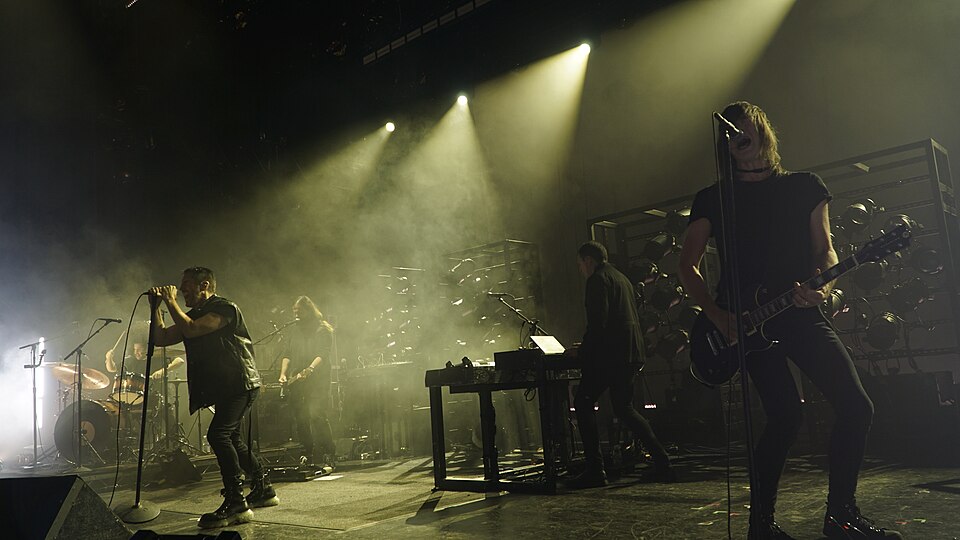
The superstar illusion vs everyone else’s reality
At the very top, the numbers are genuinely wild, and that is part of the problem. When people hear that Taylor Swift is reportedly pulling in eye watering sums per Eras Tour stop, it is easy to assume touring is a gold rush for anyone who can fill a club. Those headline figures, cited as coming from Forbes, shape expectations for the entire industry, even though they apply to a tiny handful of megastars with massive leverage over venues, sponsors and ticketing companies.
Down the ladder, the math looks brutal. Artist manager Apr Potts, who works at Red Light Management, describes how acts on her roster, from Sabrina Carpenter to Kaiser Chiefs and Sofia Kourtesis, face spiraling costs that swallow guarantees before anyone gets paid. When even artists with global name recognition are sweating over bus rentals and crew wages, it underlines how misleading it is to treat one blockbuster tour as a benchmark for the rest of the business.
Streaming pennies and side hustles that keep the van running
The reason touring became such a lifeline is simple: recorded music stopped paying the bills. On one viral breakdown of streaming economics, a commentator notes that spotify’s average payout per stream, so even 1 million plays only generates about $3,000, and that is the gross amount before labels, managers and collaborators take their cuts. For most working musicians, those numbers barely cover a month of rent, let alone the cost of making the record that attracted those streams in the first place.
Faced with that reality, artists are stacking income streams in ways that would have sounded surreal a decade ago. In one conversation highlighted by LUSE and GOMEZ SARMIENTO, musicians explain that sex work and subscription platforms are not edgy branding choices, they are survival strategies when music income collapses, a point that comes through starkly in the NPR transcript. On a separate forum, somebodyelse relays how Kate Nash has said that OnlyFans will earn more than touring, even as ticket prices climb, a claim that sits at the center of a heated thread about how Kate Nash and others are pushed into platforms that barely existed in the 90s and before.
When the tour budget is a fantasy spreadsheet
Even when artists do hit the road, the numbers often fall apart the second the van leaves the driveway. In one detailed breakdown, a band planning a 16 date UK run estimated that the entire tour would generate roughly £800 in profit, a figure that would not cover a single month of London rent for one person, let alone a full group. Their manager bluntly notes, “Because the gig fees won’t be able to cover that,” the band has to lean on merch and side income just to avoid losing money, especially when touring Europe post Brexit adds extra paperwork and costs.
Those kinds of spreadsheets are not outliers. In one long running thread, a user named UsefulEmptySpace, a hired gun in Nashville, describes playing everything from coffee shops to huge festivals and mid size casinos, only to find that the real money comes from merch sales, not the show itself. Another discussion, framed as Conversations with band members, points out that many of our favorite players quietly work menial day jobs between tours, then climb back into the van at night in spite of that, because the guarantees alone will not keep them afloat.
Costs exploding, fans tapped out, and a broken ticketing system
On top of thin guarantees, the basic cost of touring has shot up. Industry figures quoted in one widely shared post say that artists, agents and managers agree that touring is more expensive than ever, which is why, instead of relying on record sales, musicians will go on tours to make the largest chunk of their income. The same discussion notes that artists now receive a large percentage of their money from touring, even as fuel, hotels and crew wages climb, a contradiction captured in a post that bluntly starts with the word Instead.
Fans, meanwhile, are paying more and feeling squeezed. Kid Rock, testifying in Congress, blasted the ticketing industry for system failures that, in his view, cause independent venues to suffer and artists to lose leverage in their own careers. He argued that these failures make it harder and more expensive for fans to see their favorite artists live on stage, a point that has been widely circulated in coverage of Kid Rock and his demands for protections. When ticketing fees balloon while artists’ cuts stay flat, everyone except the intermediaries feels like they are getting played.
Burnout, hard choices, and the future of live music
For a growing share of independent artists, the conclusion is harsh: they simply cannot afford to tour at all. One survey found that Findings show 82% of global independent artists cannot afford to tour in 2025, with the results painting a similar picture across regions and tying the problem directly to cost of living pressures. Another social media post about bands touring relentlessly and still winding up broke captures the mood among fans who are themselves struggling to feed their families, with one commenter named Jan arguing that the general attitude is that musicians are lucky to be doing it at all, even as touring and selling merch at shows used to be the reliable way to make a living, a tension laid out in a widely shared conversation.
Inside the industry, even hardened veterans are starting to question whether the grind is worth it. On one music business forum, a user named Sep responds to a thread titled “Why can’t artists afford to tour anymore?” by telling You that hoping to make money and break even is getting harder when every factor, from fuel to fees, is working against them, a sentiment captured in a detailed Reddit discussion. Another Facebook post that begins with Mar and reflects on Many of the band members the author has spoken with notes that even beloved musicians are quietly clocking in at day jobs between runs, a reality spelled out in a candid group thread. Put together, these stories show a touring ecosystem where the glamour is real, but the money, for most, is far lower than fans have been led to believe.
More from Vinyl and Velvet:

Leave a Reply