

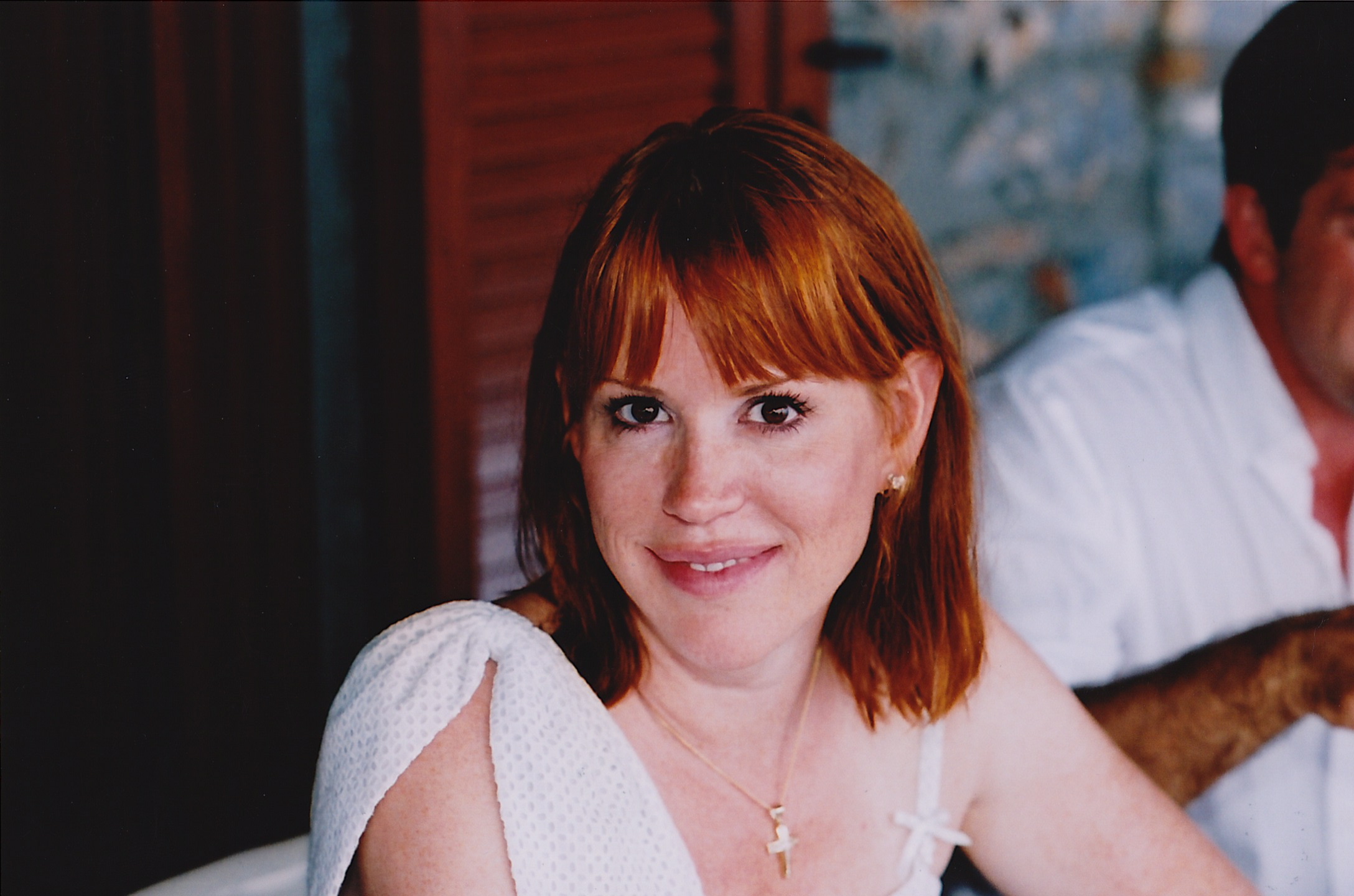
Molly Ringwald is not mincing words about what it means to sit out politics while Donald Trump gains strength again. The former teen icon is using her platform to argue that silence in the face of what she calls a slide toward fascism is not neutral, it is complicity. Her warning is aimed squarely at Americans who are tempted to tune out, insisting that history will remember who spoke up and who chose to look away.
Her message lands at a moment when Trump is surging and immigration crackdowns are once again defining the national mood. Ringwald is tying that surge to a broader moral test, telling fans that how they respond now, not just how they vote later, will shape how they are judged in the years to come.
Molly Ringwald’s stark message about “collaborationists”
Ringwald has shifted from nostalgic figure to outspoken critic of Trump’s immigration agenda, and she is doing it in language that sounds more like a historian than a Hollywood veteran. In recent comments, she warned that people who back Immigration and Customs Enforcement, or simply shrug at its tactics, will be remembered as “collaborationists,” the word often used for locals who helped occupying regimes in wartime Europe. She is not just talking about hardcore partisans, she is talking about anyone who decides that what happens to migrants and their families is someone else’s problem, a choice she frames as a moral line rather than a policy disagreement, according to one detailed report.
Her warning gets even sharper when she spells out what that indifference looks like. Ringwald has said that “if you don’t care about that, if you only care about yourself, then realize that you are going to be seen as a collaborationist,” explicitly tying support for Trump’s immigration enforcement to the way people who cooperated with authoritarian governments are remembered. In the same breath, she has compared the current administration to a “fascist regime,” a choice of words that signals she is not treating this as just another partisan cycle but as a test of whether Americans recognize creeping authoritarianism when it is still possible to resist it, a comparison captured in a focused account.
“I can’t stay silent”: why Ringwald is speaking out now
Ringwald is not pretending to be a policy expert, but she is very clear about why she is stepping into the political arena. She has said she feels like she “can’t stay silent” while Trump gains momentum, framing her activism as a reluctant duty rather than a branding exercise. That sense of obligation is rooted in fear about what a second Trump term, or even the current climate around him, could mean for civil liberties and basic safety, especially for people who are already vulnerable. In one interview, she described her warning as “terrifying” precisely because she believes that staying quiet, even out of exhaustion or cynicism, helps normalize what she sees as a dangerous shift in American life, a point underscored in coverage of her public comments.
Her urgency is also personal. Ringwald has talked about watching Trump’s rise not as a distant political story but as something that affects her family, including the anxiety she feels when her child leaves the house and the broader fear that the country is drifting toward open hostility against immigrants and minorities. She has framed Trump’s growing support as a “not a great sign” for what kind of country her child will inherit, and that parental lens is part of why she is pressing others to speak up instead of waiting for the next election to magically fix things. By tying her political stance to everyday worries about her kid coming home from school, she is trying to collapse the distance between national politics and kitchen table life, a connection that runs through the same interview.
The Alex Pretti killing and a breaking point on violence
Ringwald’s rhetoric did not come out of nowhere, it escalated after a specific act of violence. In an Instagram video she posted after the killing of Alex Pretti, she delivered an emotional plea that blended grief, anger, and politics. The death of Alex Pretti, which she referenced by name, became a kind of breaking point for her, a moment when she decided that simply sharing condolences was not enough and that she had to connect the dots between individual tragedies and the broader political climate that, in her view, encourages dehumanization. Her video, shared widely on Instagram, showed a visibly shaken Molly Ringwald trying to process how a country that once felt safe to her could produce such a killing.
In that same video, Ringwald linked the killing of Alex Pretti to what she described as a culture of permission around violence, especially when it is directed at people seen as outsiders or political enemies. She suggested that when leaders use inflammatory language about immigrants and protesters, it is not just talk, it creates an atmosphere where someone like Alex Pretti can end up dead. By naming both Alex Pretti and Trump in the context of that Instagram message, she was drawing a straight line between rhetoric from the top and blood on the ground, and she was asking her followers to decide whether they were comfortable being bystanders to that chain of events, a framing that the shared post captured in raw detail.
From Sundance red carpet to ICE backlash
Ringwald’s warning about “collaborationists” did not stay confined to social media, it followed her into public appearances. At PARK CITY, UTAH, during the “Run Amok” premiere at the Sundance Film Festival, she used the spotlight to talk about immigration enforcement and the people who back it. Her comments landed at the same time Anti ICE agitators took over the lobby of the NYC Hilton, a vivid reminder that the fight over Trump’s immigration policies is playing out both in the streets and in elite spaces like film festivals. By speaking out in PARK CITY instead of keeping the focus on her movie, she signaled that she sees her celebrity as a tool for amplifying a political message, not just promoting a project, a dynamic described in coverage of the Sundance appearance.
Her focus on ICE is deliberate. By warning that those who support ICE will be seen as collaborationists, she is zeroing in on an agency that has become a symbol of Trump’s hard line on immigration, from raids to detention centers. The timing, with Anti ICE protesters flooding the NYC Hilton lobby, underscored how central that agency has become to the broader debate over what kind of country the United States wants to be. Ringwald’s argument is that you cannot separate support for Trump’s broader agenda from support for the machinery that carries it out, and that people who cheer on that machinery, or quietly accept it, are making a choice that history will judge harshly, a point that the same reporting captured in stark terms.
What her warning asks of ordinary Americans
Underneath the sharp language, Ringwald’s message is pretty simple: silence is a choice, and it will be remembered. By invoking collaborationists and fascist regimes, she is asking Americans to imagine how their grandchildren will talk about this era, and whether they will be proud of the role they played. Her argument is that staying out of politics, especially when Trump is surging and immigration crackdowns are intensifying, is not a neutral stance but a quiet endorsement of the status quo. She is effectively telling her audience that history will not just record what presidents did, it will record what ordinary people tolerated, a theme that runs through the detailed coverage of her comments.
More from Vinyl and Velvet:

Leave a Reply