

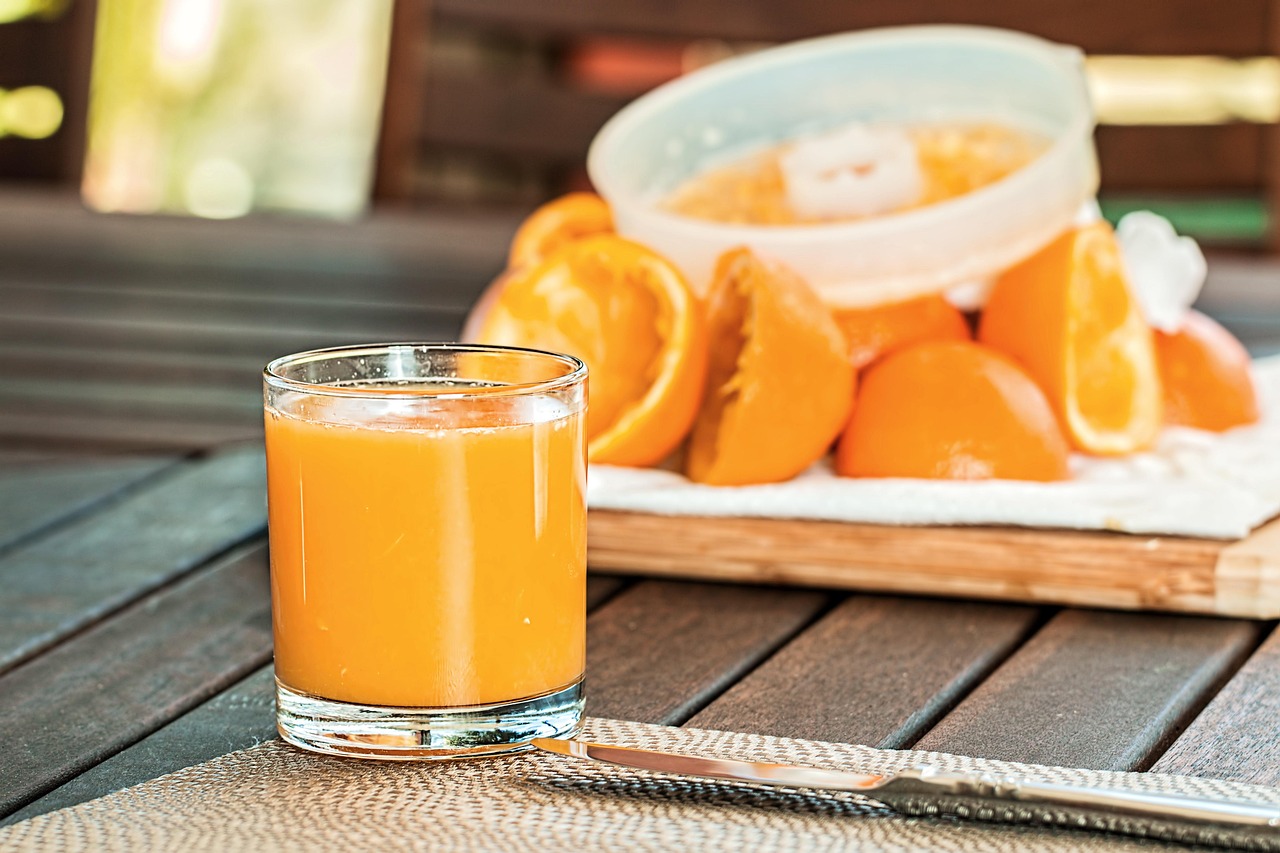
You grew up with the ritual of thawing a can, scraping at the icy rim, and squeezing a frosty wedge of orange concentrate into a glass. Minute Maid is discontinuing its frozen juice concentrates after about 80 years, a move driven by shifting consumer preferences toward ready-to-drink options and away from freezer staples.
This change matters whether nostalgia tugs at memory, grocery lists need updating, or curiosity wants the story behind the decision. The article will explain why Minute Maid pulled the plug, what this says about how people buy juice today, and how the brand’s history shaped modern breakfast tables.
Why Minute Maid Is Retiring Its Signature Frozen Juice
Minute Maid and The Coca‑Cola Company decided to phase out the frozen cans after decades on grocery shelves. The move centers on changing shopper habits, a company pivot toward other beverage formats, and a short, defined timeline for pulling product from stores.
Official Announcement by The Coca‑Cola Company
The Coca‑Cola Company publicly confirmed that Minute Maid will exit the frozen can category, saying the brand will discontinue its frozen juice concentrates. The company framed the decision as a response to “shifting consumer preferences” and said it will prioritize products that better match current demand.
A corporate spokesperson noted the phase-out will occur in the first quarter of 2026, with existing in‑store inventory sold “while supplies last.” The announcement covered flavors including orange juice, lemonade, limeade, pink lemonade and raspberry lemonade, and it explicitly tied the move to a broader portfolio shift at Coca‑Cola away from freezer‑focused SKUs toward ready‑to‑drink and premium offerings.
Shifting Consumer Preferences in the Juice Market
Retail data and industry commentary point to consumers preferring ready‑to‑drink formats and lower‑sugar options over frozen concentrates. The Coca‑Cola Company cited those shifting tastes when explaining the decision, noting that demand for frozen juice concentrates has declined relative to refrigerated and shelf‑stable juice formats.
NielsenIQ and other market trackers have shown growth in the chilled juice and premium beverage segments while traditional frozen cans have lost shelf space. Consumers now favor convenience and perceived freshness, reducing the appeal of the ritual of thawing and mixing frozen concentrate. That behavioral change left Minute Maid reallocating resources to align with where sales and marketing see longer‑term growth.
Timeline for the Discontinuation and Impact on Store Shelves
The phase‑out begins immediately and is scheduled to complete in the first quarter of 2026. Retailers will continue selling existing frozen cans until supplies run out; Coca‑Cola instructed distributors to stop replenishing the frozen SKUs once inventory reaches its endpoint.
Shoppers may still find older stock in deep‑freezer sections for several weeks after the announcement, but production and new shipments will cease. Grocery buyers and collectors should expect diminishing availability, flavor gaps on freezer shelves, and possible price or promotional changes as retailers clear remaining inventory.
Legacy, Nostalgia, and the Future of Orange Juice
Minute Maid shaped how Americans drank orange juice for decades, introduced multiple flavors, and left behind a toolkit of shelf-stable convenience that defined midcentury breakfast routines.
Minute Maid’s Frozen Juice Origins and Historical Impact
Vacuum Foods Corporation—later known as Vacuum Foods Corp and then Minute Maid—began shipping frozen orange juice concentrate in 1946. That product made orange juice a year-round staple by letting consumers store concentrated orange juice in the freezer and reconstitute it with water.
Coca-Cola acquired Minute Maid in 1960 and helped scale distribution. The frozen canned juice line expanded to include lemonade, limeade, and fruit punch, creating a low-cost, long-shelf-life category that mattered for wartime rationing’s aftermath and suburban grocery growth. Ready-to-drink orange juice arrived later, shifting many buyers to refrigerated cases and changing the company’s product mix.
Iconic Flavors and Memorable Childhood Moments
Fans remember cracking a can, watching the frozen cylinder drop into a pitcher, and mixing it into orange juice. That ritual links to tastes: classic orange, lemonade, limeade, and fruit punch each carried strong associations with childhood breakfasts and school lunches.
Food bloggers and nostalgia writers, including voices like Markie Devo, have chronicled those memories and cataloged recipes that used frozen concentrate for punches, baked goods, and glazes. For many families, the concentrate represented predictable flavor and convenience—values that made those cans a cultural touchstone even as diets and shelves evolved.
How Competitors and Alternatives Stack Up
Tropicana and other brands offered competing frozen and refrigerated options; Tropicana still sells frozen canned juice while many rivals pushed ready-to-drink formats. Ready-to-drink orange juice cut out the mixing step and appealed to shoppers wanting immediate convenience.
Fresh juices and refrigerated options introduced fresher flavor profiles, while shelf stability kept frozen concentrate relevant in cost-sensitive homes. Energy drinks and protein smoothies later chipped away at juice’s morning dominance by targeting different functional needs—caffeine, electrolytes, or protein—rather than simple vitamin C.
Changing Beverage Trends and Health-Conscious Choices
Consumers shifted toward fresh juices and lower-sugar options, pressuring brands to reformulate and expand lines like zero-sugar or reduced-sugar juices. Concerns over added sugar in juice and rising citrus prices—driven by weather impacts in producing regions—altered buying patterns and margins.
Market data showing declines in frozen beverage sales and public conversation about sugar helped Coca-Cola pivot away from frozen concentrates. The move reflects broader trends: demand for fresher-sounding products, competition from alternative beverages, and economic reasons that make frozen canned juice less viable in the modern grocery mix.
More from Vinyl and Velvet:

Leave a Reply