

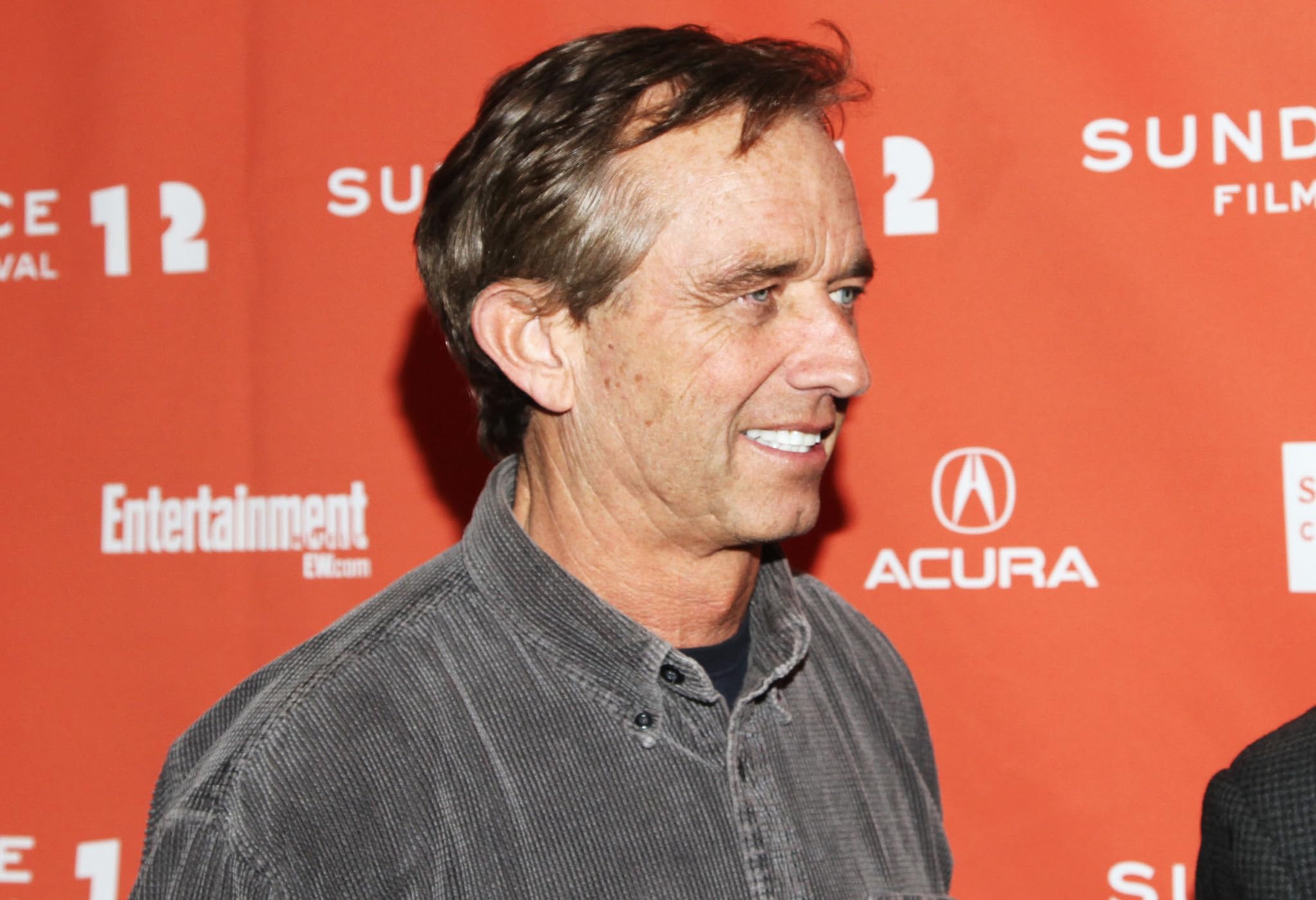
Mike Tyson and RFK Jr. have turned one of boxing’s most infamous moments into a surreal public health pitch, inviting Americans to “Bite Like Mike” in the name of cleaner eating. The campaign extends a Super Bowl spotlight that already put Tyson’s face, and his appetite, at the center of a national argument over processed food and obesity. Their alliance blends nostalgia, controversy and policy in a way that feels as calculated as it is strange.
Behind the jokes about ears and apples is a serious effort to shift how Americans think about what they eat, and who should tell them. The collaboration wraps RFK Jr.’s nutrition agenda in the familiar silhouette of a heavyweight champion, betting that spectacle can move a debate that dry dietary reports rarely reach.
The Super Bowl shock tactic that set the stage
The “Bite Like Mike” push did not appear out of nowhere. It builds directly on a stark Super Bowl spot in which Tyson, shot in black-and-white closeups, stared into the camera and described ballooning to 345 pounds while plowing through “a quart of ice cream every hour.” In that ad, funded by MAHA and promoted as the advocacy spot that would cut through the game’s usual snack-fueled excess, Tyson framed his own weight struggles as a cautionary tale about how easy it is to eat oneself into crisis.
The creative choice was as blunt as the script. On screen, Tyson bit directly into an apple while declaring that “processed food kills,” a line that echoed RFK Jr.’s broader claim that roughly 70 percent of America’s food supply is ultra-processed and harmful to health. The ad was sponsored by MAHA Center Inc, described as a governmental advocacy group aligned with Kennedy and led by Tony Lyons, a Ken ally who has become a key organizer of RFK Jr.’s health messaging. By putting a legendary fighter at the center of that message, MAHA signaled that it wanted confrontation, not consensus.
From “eat real food” to “Bite Like Mike”
The Super Bowl moment dovetailed with RFK Jr.’s push to recast federal nutrition guidance, and the “Bite Like Mike” branding is the more playful extension of that effort. RFK Jr.’s allies in MAHA and Mike framed the Super Bowl buy as a plea to “eat real food” during the game, casting Tyson as a repentant ex-glutton who had seen the light. The spot specifically denigrated processed foods, aligning with Kennedy’s new MAHA-coded health directives and a set of proposed Dietary Guidelines that would tilt federal advice sharply toward unprocessed ingredients.
“Bite Like Mike” turns that sermon into a slogan. At live events and in follow-on clips, RFK and Tyson have leaned into the boxer’s notorious reputation, winking at the moment he bit Evander Holyfield’s ear while urging audiences to channel that same aggression toward junk food instead. Coverage of the rollout described how Mike Tyson & joked about Holyfield while the duo promoted healthier eating, turning a violent low point into a punchline meant to sell broccoli over chips. The result is a campaign that fuses public health, personal redemption and tabloid spectacle in a single, meme-ready package.
Backlash, fat-shaming charges and political risk
The same bluntness that made the ad memorable has drawn fierce criticism. Commentators who watched the Super Bowl spot argued that Tyson’s language about “the most obese, fudgy people” crossed from tough love into outright fat-shaming, a charge amplified in essays that dissected his line that “processed food kills” as both stigmatizing and overly simplistic. One critic summarized the reaction by highlighting how he followed up his harsh description with a plug for RFK Jr.’s “realfood.gov,” casting the ad as more scolding than supportive and describing it as More about shaming than science.
Health experts sympathetic to cutting processed food have also warned that leaning on humiliation might backfire, a concern echoed in analysis that quoted specialists saying heavy emphasis on shame could be counterproductive. Reporting on how RFK Jr. explained Tyson’s involvement noted that the ad’s sponsor, MAHA Center Inc, is tightly aligned with Kennedy, which makes any backlash to Tyson’s rhetoric a direct political liability. For RFK Jr., the bet is clear: that a partnership with a figure as polarizing as Tyson, amplified by the “Bite Like Mike” gimmick, will energize supporters who see processed food as a national emergency faster than it alienates voters uneasy with mixing body shaming, boxing lore and federal dietary policy.
More from Vinyl and Velvet:

Leave a Reply