

You notice the headlines: Michelle Obama’s 2020 documentary saw a sudden surge in Netflix viewership the same weekend Melania Trump’s film hit theaters. That spike—reported as a dramatic percentage increase and millions of minutes streamed—signals an immediate public reaction that reshaped the conversation around both films.
Expect a clear look at the numbers behind the surge, what likely drove the jump in interest, and how the two documentaries differ in tone, access, and reception. This piece breaks down the viewing data, the cultural context, and the head-to-head elements that invite comparison, so you can quickly understand why the films are linked in public discussion.
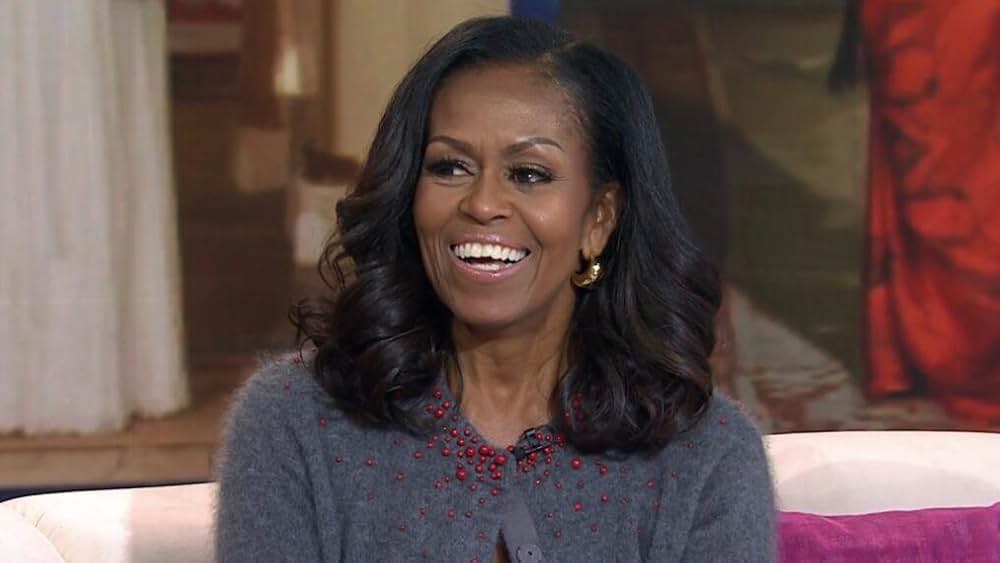
Michelle Obama Documentary Surge Following Melania’s Release
The release of Melania’s theatrical film coincided with a pronounced spike in interest for Michelle Obama’s 2020 Netflix documentary, Becoming. Viewership metrics, audience makeup, and distribution dynamics all played roles in how and why the older documentary regained attention.
Record-Breaking Viewership Increase for Becoming
Luminate reported a dramatic uptick in U.S. Netflix viewing for the 2020 documentary Becoming, directed by Nadia Hallgren, with percentage increases in the thousands during Melania’s opening weekend. The data showed minutes viewed jumped sharply, moving the film back onto streaming charts and into topical news coverage.
Becoming’s surge did not rely on a new release or marketing push from Netflix. Instead, the documentary’s renewed traction reflected short-term viewers discovering or rewatching Hallgren’s behind-the-scenes tour film. The film’s original runtime, episode-style pacing, and accessible streaming format made it easy for audiences to watch immediately, boosting minutes viewed metrics quickly.
Audience Reactions and Demographics
Viewership growth skewed toward U.S. audiences, with social-media commentary indicating both supporters of Michelle Obama and viewers curious about contrasting first-lady narratives. Comments and engagement often framed the spike as comparative — many viewers watched Becoming after reading about Melania’s movie or seeing debate on platforms.
Demographic detail from public reporting points to broad interest across age groups, though streaming documentaries typically draw higher engagement from adults 25–54. Fans of Obama’s public work and readers of her memoir were prominent in commentary, increasing shares and repeat viewings rather than purely new-account signups.
Role of Streaming and Distribution Platforms
Netflix’s on-demand model and global reach enabled rapid consumption of Becoming without theatrical scheduling constraints. The documentary’s presence on Netflix meant viewers could respond immediately to news cycles, unlike Melania’s theatrical rollout that required attendance or later streaming availability.
Platform algorithms also matter: spikes in minutes viewed can prompt recommendation pushes, creating a feedback loop that amplifies visibility. In this case, the combination of timely news coverage, algorithmic promotion, and Hallgren’s accessible documentary format accelerated Becoming’s reappearance in viewers’ home feeds.
Becoming’s director Nadia Hallgren and Netflix did not issue any major new promotions tied to the spike, suggesting the platform’s existing placement and external media attention largely drove the renewed viewing.
Comparative Analysis: Becoming vs. Melania Documentary
Both films center on the lives of First Ladies but diverge sharply in tone, critical response, and marketplace behavior. One film retains long-term streaming traction while the other generated immediate box-office attention and controversy, prompting renewed interest in the earlier title.
Critical Reception and Public Sentiment
Becoming earned broadly positive reviews on release, praised for intimate access and Michelle Obama’s candid narration. Reviewers highlighted its reflective tone and emotional moments, which translated into steady viewer goodwill on Netflix years later. Public sentiment around Becoming skews favorable, driven by the former first lady’s established popularity and the documentary’s focus on personal history and civic themes.
Melania received largely negative critical responses at its theatrical opening. Critics questioned the film’s documentary credentials and narrative choices, and many crew members reportedly sought credit removal. Public reaction split: supporters cited strong opening-day ticket sales while critics pointed to perceived staging and promotional tactics, which fueled social-media debate.
Production and Financial Performance
Becoming was produced for Netflix with modest production costs typical of personality-driven documentaries. Its financial model prioritized streaming reach over theatrical grosses, and it continued to generate minutes viewed long after its 2020 release.
Melania was acquired by Amazon MGM for a reported $40 million, with additional marketing spend estimated by multiple outlets. It opened with a notable non-fiction weekend gross near $7 million domestically, the strongest for a non-fiction feature in a recent decade, yet that revenue likely falls short of recovering acquisition plus marketing costs. Production decisions—such as hiring Brett Ratner—added reputational complexities and contributed to crew members distancing themselves from on-screen credit.
Cultural and Political Impact
Becoming reinforced Michelle Obama’s cultural brand and sustained engagement on streaming platforms, serving as a reminder of her influence in cultural conversations about leadership, race, and family. Its resurgence when Melania premiered indicates audience appetite for comparing First Ladies’ public narratives.
Melania’s release catalyzed political debate and media comparisons between the two women. The film’s timing and framing intensified partisan discussion and prompted people to revisit Becoming, driving a measurable spike in Netflix viewership. The documentary’s stylistic choices and promotional campaign broadened coverage beyond film circles into politics and culture, magnifying its impact despite mixed reviews.
Key Contributors and Behind-the-Scenes
Becoming’s creative team emphasized access and collaboration with Michelle Obama, producing a film that foregrounded her voice and book-tour material. The production and distribution through Netflix rested on institutional trust and established documentary workflows.
Melania involved high-profile figures and controversial production elements. Reports named Brett Ratner in a directorial role; his prior misconduct allegations complicated reception. Amazon MGM’s $40 million acquisition and reported $35 million marketing push underscored corporate stakes. Crew accounts of credit removals and disputes over portrayal spotlighted behind-the-scenes tensions. An incidental but recurring anecdote in coverage involved how small details—like catering and on-set hospitality including cookies—became shorthand in some reports about production culture and access.
More from Vinyl and Velvet:

Leave a Reply