

More than two decades after Uptown Girls hit theaters, Michael Urie is looking back on his first film job and the co-star who made it unforgettable. The actor has been sharing a story about Brittany Murphy that is small in scale but huge in what it reveals about who she was on set. His memory is tender, specific, and a reminder of why Murphy still holds such a strong place in pop culture.
Urie describes a young performer’s dream turning into a professional disappointment, then being salvaged by a simple, thoughtful gesture from the movie’s lead. In revisiting that moment, he is not just paying tribute to a late colleague, he is also sketching out a snapshot of early-2000s Hollywood and the way one kind person can change how a tough break feels.
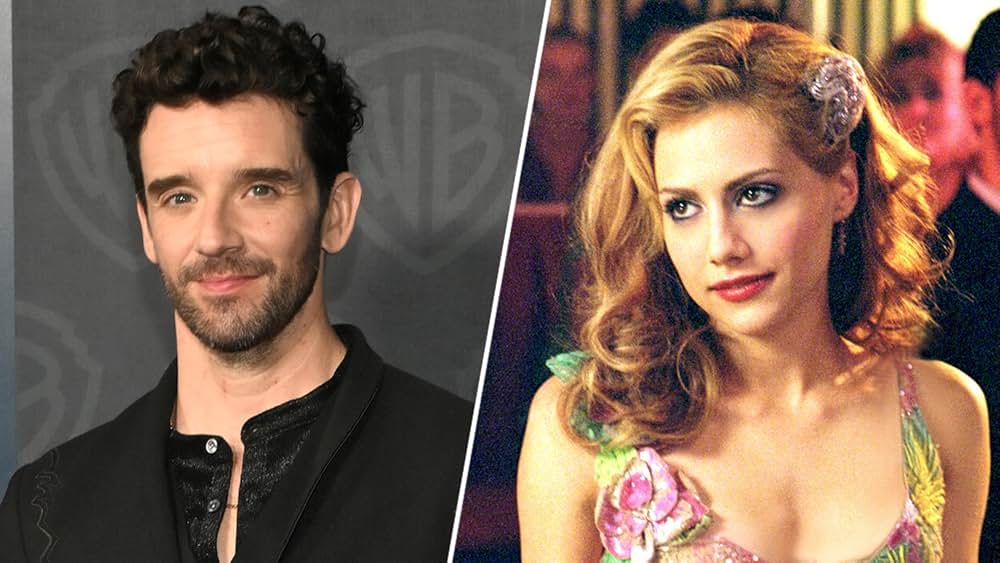
From first film nerves to a cut role
Before he was a familiar face from television and stage, Michael Urie landed what felt like a big break in the early 2000s: a small part in the New York–set comedy Uptown Girls. He has explained that it was his first movie job, the kind of gig where you tell everyone you know to watch for you, even if you are only on screen for a moment. The film, led by Brittany Murphy as Molly Gunn, was a glossy studio project, and for a young actor trying to get a foothold, just being on that set meant he had crossed an invisible line into the business.
That is why the sting was so sharp when Urie later learned that his brief appearance had been cut in the edit. He has said he was on set for a single day and then discovered that the scene did not survive, a familiar rite of passage for working actors but a gut punch when it happens on your very first movie. In recent conversations, he has walked through that emotional whiplash, describing how the excitement of booking the job gave way to the quiet embarrassment of knowing friends and family would not actually see him in the finished film, a story he first unpacked while talking about his early career in an extended interview.
Brittany Murphy’s quiet kindness on set
At the center of Urie’s memory is Brittany Murphy, whose performance as Molly Gunn helped define the tone of Uptown Girls and whose reputation for warmth has only grown since her death. Urie recalls that on the day he worked with her, she was not just the star but also the person who made him feel like he belonged there. He has described her as “so sweet” and “amazing as an actor,” emphasizing that she treated him like a peer rather than a disposable day player, a dynamic he later revisited while reflecting on their time together in a recent profile.
That impression did not fade when his scene disappeared from the movie. Urie has said that he still went to the wrap party, even though his role had been cut, and that is where Murphy’s gesture landed. According to his account, she came up to him and, again, was “so sweet,” telling him that she had mentioned his character in another scene so that he would still be part of Molly’s world. It was a small, almost throwaway line for her, but for a young actor nursing a bruised ego, it was a lifeline, a moment he later described in detail while talking about how much her kindness meant to him in an on-camera conversation.
The “pig walker” and a line that stayed in
Urie’s original role in Uptown Girls was as Molly Gunn’s “pig walker,” a comic bit built around the heiress hiring someone to walk her pet pig through Manhattan. He has explained that the scene itself did not make the final cut, which meant audiences never saw him in the job that first brought him to a major film set. That detail, the pig walker who vanished in the edit, has become a kind of shorthand in his retelling for how precarious early acting work can be, a point he underscored while revisiting the experience in a later look back at.
What survived, according to Urie, was Murphy’s decision to keep his character alive in dialogue. At the wrap party, he remembers her telling him that she had mentioned him in another scene, essentially sneaking his presence into the movie even after his physical performance was gone. He has said he was “very touched by it,” because it meant that somewhere in the finished Uptown Girls, Molly Gunn still talks about her pig walker, a detail he later learned shows up in the deleted material that fans can find on home releases.
Why the story hits so hard for millennials
Part of why Urie’s anecdote has resonated is that it taps into the enduring affection many viewers, especially millennials, still feel for Brittany Murphy. In a recent conversation, his co-star Jan Williams commented that “She like really means a lot to millennials too, just because of how funny and iconic she was,” pointing to the way her work in films like Clueless and Uptown Girls has stayed in heavy rotation for a generation that grew up with her. Williams added that “she’s so likable,” a simple phrase that captures why stories about her generosity land with such force for fans who already saw her as a bright spot on screen, a sentiment shared while discussing Murphy’s legacy in a recent interview.
Urie’s story also arrives in a moment when fans are reexamining Murphy’s career and the circumstances around her death, looking for firsthand accounts that feel grounded and human rather than speculative. Hearing a colleague describe her as “awesome” and “so sweet and amazing as an actor” cuts through the noise and brings the focus back to what she was like to work with day to day, something he emphasized while talking about their time on Uptown Girls in a recent sit-down. For millennials who watched her movies on DVD and cable, the idea that she went out of her way to comfort a nervous newcomer fits the version of Brittany Murphy they have carried with them for years.
How Urie keeps Murphy’s memory alive
Urie has not framed the Uptown Girls story as a grand, life-altering event, and that is part of why it sticks. He talks about it as a small kindness that he never forgot, a moment that helped shape how he tries to behave on sets now that he is the seasoned pro and someone else is the nervous first-timer. In revisiting the memory, he has said he was “very touched” by Murphy’s choice to mention him in another scene, and that her behavior set a quiet example of how a lead can make everyone around them feel seen, a point he reiterated while recounting the experience in a recent conversation.
That perspective also colors how he talks about Brittany Murphy’s place in film history. When he describes her as “so sweet” and “awesome,” he is not just offering a polite remembrance, he is adding another data point to the growing portrait of an actor whose off-screen generosity matched the spark people saw on camera. Fans who search out more about Brittany Murphy today will find plenty of speculation, but Urie’s story is grounded in something simple and verifiable: a wrap party, a cut scene, and a star who went out of her way to make sure a young actor did not feel forgotten, a detail he first shared while reflecting on his early film work in an extended discussion.
More from Vinyl and Velvet:

Leave a Reply