

Michael Reagan, a conservative commentator and the Eldest Son of President Ronald Reagan, has died at the age of 80. His death closes a chapter in a family that helped define late twentieth century American politics and media, while leaving behind a complicated legacy of loyalty, advocacy and public commentary. Relatives and institutions connected to Ronald Reagan are now publicly mourning a figure who spent decades interpreting and defending his father’s record for new generations.
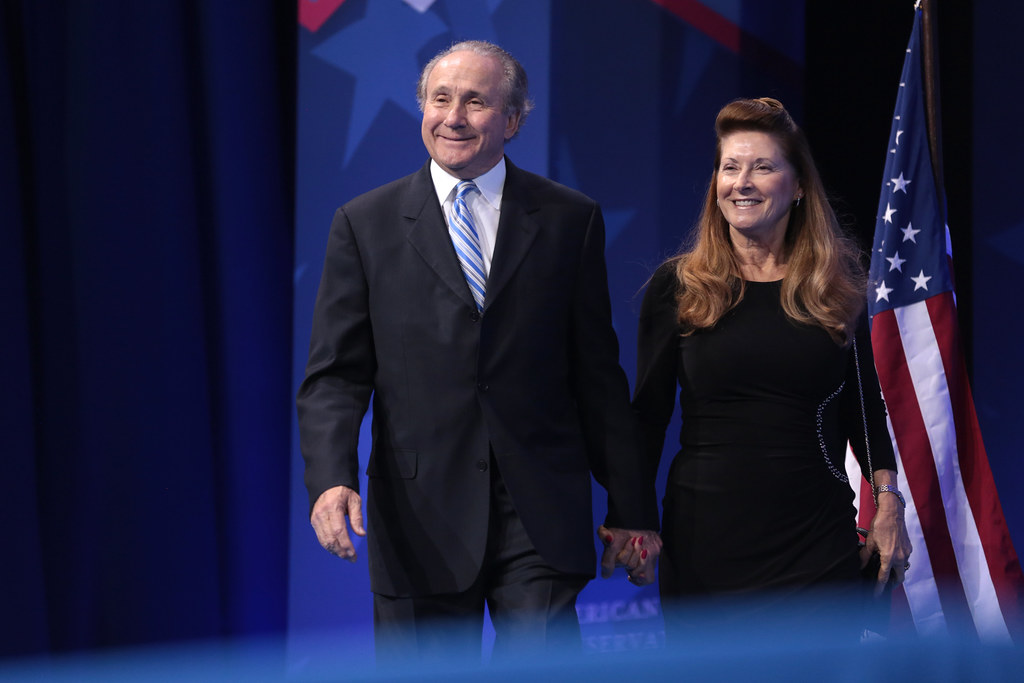
Family announcement and confirmation of his death
News of Michael Reagan’s death emerged after his family and organizations tied to his father confirmed that the Eldest Son of President Ronald Reagan had died at 80. Relatives described his passing as a deeply personal loss for a family that has long lived in the public eye, noting that his role as the eldest child often placed him at the center of both private grief and national remembrance. Early reports emphasized that he died surrounded by those closest to him, underscoring how his final days were shaped more by family bonds than by the political spotlight that had followed him for much of his life.
Confirmation of his death was echoed across national outlets as details filtered out from family statements and institutional tributes. Coverage highlighted that Michael Reagan, the Eldest Son of President Ronald Reagan, Dies at 80, language that underscored both his age and his singular place in the Reagan family story. Broadcast reports framed the news within regular Headlines segments, with one account noting that his passing led the Headlines from ABC News as viewers were updated on the loss of the son of former President Ronald Reagan.
Role within the Reagan family and presidential legacy
Within the Reagan family, Michael Reagan occupied a distinctive place as the eldest son, a position that carried both symbolic weight and practical responsibility in preserving Ronald Reagan’s legacy. He often presented himself as a guardian of his father’s memory, speaking at events, writing columns and appearing on television to defend the record of President Ronald Reagan against critics and reinterpretations. That role sometimes placed him alongside his siblings, including Ronald Reagan’s daughter Patti Davis, who has taken her own path in public life while still engaging in debates about their father’s political and personal history.
Family dynamics around the Reagan legacy have periodically surfaced in public, particularly when contemporary politics intersected with memories of the 40th president. Patti Davis, for example, has used her platform to argue that presidential candidates should take cognitive tests, a stance that drew on her experience watching Ronald Reagan age in office and afterward, and that was highlighted in coverage of Ronald Reagan and Patti Davis as the family reflected on questions of fitness and leadership. Michael Reagan’s death now reshapes that constellation of voices, removing one of the most consistently conservative interpreters of the Reagan years from the national conversation.
Institutional tributes and the Reagan Foundation’s response
Beyond the immediate family, institutions built around Ronald Reagan’s memory moved quickly to honor Michael Reagan’s life and work. The Ronald Reagan Presidential Foundation and Institute, which oversees the presidential library and promotes educational programs about the Reagan era, announced his death in a message shared on the social platform X. That statement framed him not only as a son, but as a partner in the ongoing effort to present Ronald Reagan’s presidency to students, historians and visitors, signaling how closely his identity had become intertwined with the institutional preservation of his father’s story.
The Foundation’s public acknowledgment, which noted that The Ronald Reagan Presidential Foundation and Institute announced his death on X on a Tuesd, helped set the tone for a wave of official condolences. Supporters of Ronald Reagan, alumni of his administration and conservative activists who had worked with Michael Reagan over the years shared memories of his appearances at library events and fundraising dinners. For many of them, he was not only a link to a past presidency, but a familiar presence who lent personal warmth and family authenticity to the more formal work of a presidential foundation.
Media coverage and public reaction
Television and digital outlets treated Michael Reagan’s death as both a news event and a moment to revisit the broader Reagan legacy. National broadcasts folded the story into their regular news blocks, with one segment noting that Headlines from ABC included the report that Michael Reagan, son of former President Ronald Reagan, had died, as anchors contextualized his life within the arc of late twentieth century conservatism. Online, the story quickly climbed homepages and social feeds, where users shared archival clips of his radio commentary and speeches at Republican gatherings.
Local and regional stations also amplified the news, often leaning on their own archives of interviews and appearances. One affiliate highlighted that Michael Reagan, son of former President Ronald Reagan, had died, inviting viewers to Watch ABC News coverage that paired the announcement with footage from earlier visits. Across these reports, journalists emphasized his decades as a commentator and speaker, his status as the Eldest Son of President Ronald Reagan, and the way his public persona blended family reminiscence with pointed political advocacy.
How his passing reshapes the Reagan narrative
Michael Reagan’s death inevitably alters how the Reagan years will be remembered in the coming decades, particularly within conservative circles that saw him as a living bridge to the 1980s. As a commentator, he often framed current debates by invoking his father’s positions on taxes, foreign policy and the role of government, arguing that contemporary Republicans should measure themselves against Ronald Reagan’s example. With his voice now absent, that interpretive work will fall more heavily on historians, political strategists and other family members who bring different perspectives and priorities to the same legacy.
The loss also comes at a moment when the Republican Party is deeply shaped by the presidency of Donald Trump, the current president of the United States, and when comparisons between Trump and Ronald Reagan are a recurring feature of campaign rhetoric. Michael Reagan frequently pushed back on efforts to flatten those differences, insisting that his father’s style and substance were distinct even as he acknowledged shared themes like tax cuts and a strong national defense. His death at 80, confirmed in reports that identified him as the Eldest Son of Ronald Reagan, removes a prominent family voice from those ongoing comparisons, leaving the Reagan legacy more open to reinterpretation by political figures who never knew the 40th president personally.
More from Vinyl and Velvet:

Leave a Reply