

Mary J. Blige has never been the kind of artist who hides behind the music. So when clips from her latest tour started circulating with fans saying she looked like she did not even want to be on stage, she did what she has always done best: faced it head on and told the truth. Instead of brushing off the criticism, she leaned into it, explaining exactly what was going on behind those viral moments and why exhaustion is not the same thing as not caring.
Her response has opened up a bigger conversation about what fans expect from legacy artists, what nonstop touring really does to a body, and how social media can flatten a whole career into a few seconds of “unbothered” choreography. It is a rare, unfiltered look at the grind behind the glamour, straight from someone who has been carrying R&B on her back for decades.
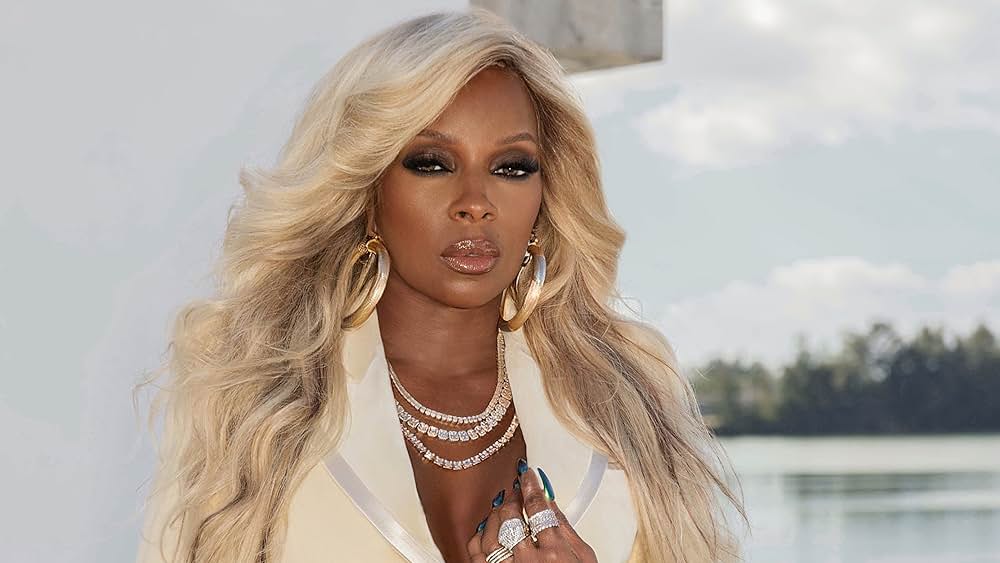
The Viral Clips That Sparked The Backlash
The latest flare up around Mary J. Blige started the way so many modern controversies do, with a short clip and a lot of commentary. Fans zeroed in on concert footage where she moved through her choreography with a laid back, almost minimal energy, and some viewers decided that meant she did not want to be there at all. In the snippets that spread, the camera lingered on her face and body language, and people online labeled it everything from “low effort” to “checked out,” turning a few seconds of performance into a referendum on her entire tour.
Those same moments were replayed and dissected across platforms, including a viral reel where Mary J. Blige was asked directly about the footage that made her look uninterested. Another clip highlighted what fans started calling her “unbothered” dance, a relaxed groove that some interpreted as boredom rather than style, and that moment was amplified again in a separate short video that framed the crowd chatter around how she moved on stage. By the time the memes settled in, the narrative was set: people were convinced she was phoning it in.
Mary J. Blige’s Blunt Response: “I Was F—g Tired”
Mary J. Blige did not dodge the criticism. When the topic came up in conversation, she cut straight to the point and admitted that what people were seeing was not disinterest, it was exhaustion. She described being on tour and hitting the stage after long stretches of travel and back to back shows, and when fans said she performed like she did not want to be there, her answer was simple and unfiltered: she was, in her own words, “f—g tired.” That honesty reframed the whole debate, shifting it from attitude to physical limits.
Her comments were captured in a clip shared by DJ Envy, where Mary J. Blige who say she performs like she does not want to be on stage and spells out that fatigue was the real story. Another short video of the exchange, posted as a tour recap, underlined how long she had been on the road when those shows were filmed and how the schedule left her drained. Instead of hiding behind vague language, she owned the reality that even a veteran like her can hit a wall.
Setting The Record Straight In A Candid Conversation
Once the memes started flying, Mary J. Blige decided to go deeper than a one line clapback. During a sit down conversation, she unpacked the online chatter around her recent tour appearances and made it clear she understood exactly what people were saying. She acknowledged that fans were questioning her energy, but she pushed back on the idea that a tired performance automatically meant she did not care about the audience or the music. For her, the criticism was a chance to explain the gap between what a camera catches and what a performer is actually carrying.
In that conversation, Mary J. Blige about the online chatter surrounding her tour, talking through how social media can freeze one tired moment and turn it into a narrative. A separate clip, shared with the caption that setting the record after fans questioned her energy, shows her calmly explaining that what people read as being unbothered was really her pushing through a heavy schedule. The tone is not defensive so much as matter of fact, like someone who has been doing this long enough to know that context always gets lost online.
The “Unbothered” Dance And What It Really Meant
One of the most replayed pieces of footage from Mary J. Blige’s tour is what fans dubbed the “unbothered” dance, a smooth, almost lazy looking two step that became meme material overnight. Viewers joked that she looked like she was at a cookout instead of a concert, and the clip was used as shorthand for the idea that she was over it. The irony is that the move itself is classic Mary, a cool, grounded groove that fits right into her catalog of mid tempo anthems, but the internet decided it was proof she did not want to be on stage.
When she finally addressed that specific dance, she did not try to dress it up. In a short video, Mary J. Blige that her viral unbothered dance was a result of being tired, not a lack of appreciation for the crowd. Another reel captured the way people teased her about it, with the host saying, “Cuz you know you be on stage doing your little…” and pointing out that “They say Mary is unbothered,” before Mary laughs and explains what was really going on. The joke lands, but so does the message: sometimes a laid back move is just a tired artist trying to conserve energy and still give a show.
Exhaustion On The “For My Fans” Tour
Behind the memes and the commentary is a simple fact: Mary J. Blige was worn out. She has been open about the grind of her recent run of shows, including her “For My Fans” tour, and how the pace left her depleted. She described stretches where she was moving from city to city with barely any time to rest, then stepping into arenas where thousands of people expected the same high voltage performance every single night. That kind of schedule catches up with anyone, even a legend.
In one detailed breakdown, Mary J. Blige and talked about how the constant travel and performance schedule pushed her to the edge. That same account notes that even artists at the very top level, including Beyoncé, have to manage fatigue and build in rest to keep going, a reminder that no one is immune to burnout. When Mary frames her viral moments in that context, the “unbothered” dance looks less like a shrug and more like survival mode.
Fans, Tickets, And The Debate Over Effort
Once Mary J. Blige admitted she was exhausted, the conversation shifted to what fans are owed when they buy a ticket. Some people were sympathetic, pointing out that everyone gets tired and that decades of performing will naturally change how an artist moves on stage. Others were blunt about their expectations, arguing that if a performer is going to give what they see as half effort because of fatigue, then the ticket price should reflect that. For them, the issue is not just empathy, it is value.
That tension showed up clearly in a thread where one commenter argued that “If performers are going to perform half ass bcuz they are tired then tickets should be half the price,” insisting that everyone who performs and that audiences still expect a full show. Others in that same discussion pointed out that Mary J. Blige has admitted for years that she has to be careful about the number of shows she commits to, and they used examples like Beyoncé to argue that some stars manage to keep their performances at a certain standard no matter what. The back and forth laid bare how differently people weigh empathy against the price printed on a ticket.
Tired Versus Ungrateful: Drawing The Line
Mary J. Blige has been careful to separate being physically tired from being ungrateful or unprofessional. In her view, acknowledging exhaustion is not the same as dismissing the people who show up to see her. She has stressed that she still loves performing and still feels a responsibility to the fans, even on nights when her body is not cooperating. The problem, as she sees it, is that social media often collapses those nuances into a single judgment: if you are not bouncing off the walls, you must not care.
In one extended reflection, Mary went deeper by reminding people that there is a difference between being tired and being ungrateful or unprofessional, and that artists like her have been carrying the culture on their backs for years. She pointed out that the emotional and physical labor of that work does not always show up in a single clip, but it is there in the long arc of a career. By drawing that line, she is asking fans to judge her by the full body of her work, not just a meme.
How Social Media Warps Live Performance
The Mary J. Blige debate is also a case study in how social media reshapes live performance. A concert used to be something you had to be in the room to experience, with all the context that comes from seeing an entire set. Now, a fan in the nosebleeds can zoom in on a single moment, post it, and let millions of people decide what it means without ever hearing the rest of the show. That shift gives audiences more access, but it also means artists are constantly being judged on fragments.
Clips of Mary’s “unbothered” dance and her more subdued stage presence were shared and reshared across platforms, including the reels that framed her as needing to “set the record straight.” Another post that highlighted how Blige is setting about online chatter shows just how quickly a narrative can form and then require cleanup. For artists, that means every step, every facial expression, and every off night is potential content, whether they like it or not.
What Mary J. Blige’s Honesty Says About Longevity
There is something quietly radical about a superstar of Mary J. Blige’s stature looking straight into the camera and saying she was simply tired. In an industry that rewards pretending everything is effortless, her willingness to admit limits is a kind of flex. It signals that she has been around long enough, and contributed enough, to speak plainly about what it takes to keep going. Instead of hiding behind a polished PR line, she is letting people see the cost of longevity.
Her comments across multiple clips, from the moment where she addresses fans who questioned whether she wanted to be on stage to the explanation that her “unbothered” dance was just fatigue, fit into a larger pattern. Mary J. Blige has always built her career on transparency, whether she was singing about heartbreak, addiction, or survival. Owning her exhaustion is just the latest chapter in that story, a reminder that even icons have limits, and that saying so out loud does not make them less legendary. It just makes the work they do on stage that much more real.
More from Vinyl and Velvet:

Leave a Reply