

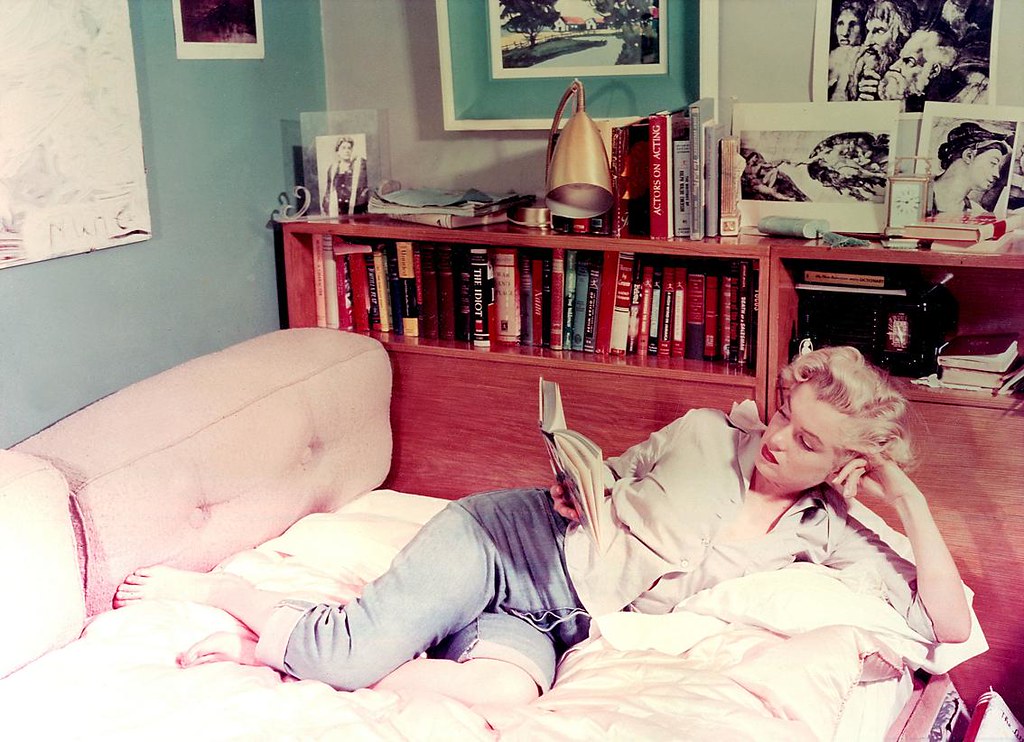
You step into a story where glamour and vulnerability collide. Marilyn Monroe’s death in August 1962 marked the abrupt end of a public life lived under constant scrutiny, and it left a trail of unanswered questions about the pressures behind the persona. Her passing closed a career defined by stardom, scandal, and a public that never stopped watching, and it continues to shape how fame, privacy, and tragedy intersect.
This piece traces the final days and the official findings while exploring how her image as a sex symbol, the scandals that followed her, and the private battles she fought offstage all fed the persistent fascination with her life and death. You will encounter the facts, the controversies, and the lasting cultural echoes that keep Marilyn Monroe at the center of conversations about celebrity and vulnerability.
The Final Days and Tragic Death of Marilyn Monroe
Marilyn Monroe’s last weeks mixed career setbacks, renewed personal contacts, heavy medication, and increasing vulnerability. Friends and staff found her alternately upbeat and fragile as she navigated film problems, relationships, and persistent insomnia.
Events Leading to Her Passing
In the months before August 1962, Monroe struggled with erratic work attendance on the unfinished film Something’s Got to Give and increasing reliance on sedatives. Colleagues and friends reported missed call times and diminished reliability, while others insisted she had recently seemed optimistic about reconciliations and new plans.
She maintained contact with close associates such as her publicist Patricia Newcomb and her psychiatrist Dr. Ralph Greenson. Monroe also had ties to prominent figures — including past associations with John F. Kennedy and Robert F. Kennedy — which later fueled scrutiny and speculation about her final days.
Medication played a central role. Records and later accounts cite chronic use of barbiturates, notably Nembutal, and other sleeping aids; these drugs impaired her sleep and judgment and increased overdose risk. Her dependence on prescriptions grew as production pressures and personal loneliness intensified.
Circumstances at 12305 Fifth Helena Drive
Monroe lived alone at the Brentwood bungalow, 12305 Fifth Helena Drive, when she died. In the pre-dawn hours of August 5, 1962, housekeeper Eunice Murray and Dr. Ralph Greenson became concerned after finding lights on and no response at her bedroom door.
Greenson entered by breaking a window and found Monroe in bed, nude, a telephone in one hand. Dr. Hyman Engelberg later pronounced her dead at the scene. Reporters and police quickly converged on the property, and images of the bungalow and Monroe’s bed circulated widely.
Investigators noted empty pill containers on a bedside table and no suicide note. Her housekeeper’s actions that night — including reportedly washing sheets — and the rapid movement of personal documents by staff and her business manager added to later questions about scene handling and chain of custody.
Coroner’s Report and Official Findings
The Los Angeles County coroner’s office performed an autopsy the day her body was found. Toxicology identified high levels of chloral hydrate and barbiturates, and medical examiners cited Nembutal among implicated drugs. The coroner’s report listed the cause as acute barbiturate poisoning.
Officials recorded the manner of death as a “probable suicide.” The coroner emphasized drug concentrations consistent with an intentional overdose, though some contemporaneous police reports used the term accidental. Thomas Noguchi, later a notable medical examiner, raised questions about aspects of the case and urged scrutiny of certain findings years afterward.
The death certificate and coroner’s conclusions became the baseline factual record, and the location of burial at Westwood Village Memorial Park Cemetery followed standard procedures for a public figure of her stature.
Controversies and Conspiracy Theories
Discrepancies in witness statements, missing pill capsules in the stomach, and rapid removal of documents fueled alternative theories. Some writers and investigators suggested homicide or a cover-up tied to Monroe’s connections with John F. Kennedy and Robert F. Kennedy, though official reviews found insufficient evidence of criminal conduct.
Prominent commentators and books — including retrospectives inspired by The Final Days of Marilyn Monroe — put forward varied claims about mob involvement, political motives, or manipulated medical evidence. Investigations reopened in later decades noted factual inconsistencies but ultimately reaffirmed the original conclusion of probable suicide.
High-profile figures and examiners, and continued public fascination, sustained debate. Despite contested elements, the coroner’s findings and toxicology remain the central factual account of the barbiturate poisoning that ended her life.
Stardom, Scandals, and the Mark of a Sex Symbol
Marilyn Monroe transformed a difficult childhood and a string of early jobs into a public career defined by iconic film roles, high-profile relationships, and constant media attention. Her image — crafted through studio publicity, memorable performances, and personal missteps — made her one of Hollywood’s most scrutinized figures.
Rise from Norma Jeane Mortenson to Marilyn Monroe
Born Norma Jeane Mortenson and later known as Norma Jeane Baker, she moved through foster homes and an orphanage before marrying James Dougherty at 16 to escape instability. Modeling led to a studio contract and a screen name change; the transformation into Marilyn Monroe began with small parts and a publicity machine that emphasized her looks and vulnerability.
Early features such as Ladies of the Chorus and bit roles in The Asphalt Jungle put her on casting directors’ radars. A widely circulated nude calendar photo surfaced in the early 1950s; she addressed it candidly, saying she needed the money. That candidness, plus studio grooming at 20th Century-Fox, pushed her from Norma Jeane toward a crafted star identity.
Major Hollywood Roles and Milestones
Monroe’s comic timing and screen presence emerged in films like Gentlemen Prefer Blondes and How to Marry a Millionaire, which made her a box-office draw. Billy Wilder’s Some Like It Hot and The Seven Year Itch showcased her comic gifts and cemented signature moments remembered decades later.
She worked with notable directors and actors across genres: the drama of Bus Stop, the studio spectacle of There’s No Business Like Show Business, and the more serious turn in The Misfits. She also appeared in River of No Return, Monkey Business, Clash by Night, Love Nest, and We’re Not Married!, each contributing to her status as a major American actress and international sex symbol.
Defining Relationships and Hollywood Romances
Monroe’s marriages and romances drew intense public attention. Her first marriage to James Dougherty ended before stardom. She later wed Joe DiMaggio and then Arthur Miller; both unions were high-profile and short-lived, reflecting personal strain under public pressure.
Romantic links to stars and celebrities fed tabloid narratives that amplified her fame and vulnerability. DiMaggio’s protective but ultimately unsuccessful involvement and Miller’s intellectual companionship both shaped public perceptions of her private life. These relationships intersected with career moves, studio dealings, and the founding of Marilyn Monroe Productions as she sought greater control over roles and image.
Life in the Public Eye and Media Scrutiny
20th Century-Fox publicity framed Monroe as the archetypal blonde bombshell, while journalists and fans dissected every interview, wardrobe choice, and lateness on set. Her lateness and health struggles were often treated as headline drama rather than medical or personal issues.
She negotiated power through selective interviews and founding her own production company, yet the nude calendar controversy and constant press attention kept her private struggles in public view. Critics like Nunnally Johnson acknowledged her “flesh impact,” and studio bosses weighed her box-office value against production problems. The result: a career always in the spotlight and a life seldom allowed privacy.
Personal Struggles and Private Life Behind the Fame
Her public persona hid a life shaped by early instability, repeated psychiatric care, and a constant tug between control and vulnerability. The details that follow show how childhood, mental health, and image management intersected in ways that affected her work and relationships.
Unstable Childhood and Early Challenges
Born Norma Jeane Mortenson and later legally known as Norma Jeane Baker, she spent much of her childhood without a stable parental home. Her mother Gladys Baker struggled with mental illness and spent long periods in institutions, which left Norma Jeane in foster homes and the Los Angeles Orphans Home at times.
She married James Dougherty at 16 to avoid returning to the orphanage, a choice that removed her from formal schooling and thrust her into adult responsibilities early.
These early disruptions shaped her attachment patterns and sense of self. Biographers and records note frequent moves, brief placements with relatives, and at least one reported episode of sexual abuse in a foster setting.
That patchwork upbringing later informed both her fragile private life and her intense drive to succeed in Hollywood.
Mental Health, Substance Abuse, and Hospitalizations
Throughout her adult life, she faced recurring mental-health crises and received inpatient care. Doctors treated her for depression and anxiety; she underwent electroconvulsive therapy during at least one hospitalization.
Her struggles included long-term use of prescribed sedatives and barbiturates, which contributed to chronic dependence and impaired functioning on set and in daily life.
In 1961 and 1962 she had documented hospital stays, including treatment at the Payne Whitney Psychiatric Clinic in New York, reflecting severe episodes that required specialized care.
Colleagues from the Actors Studio and her teacher Lee Strasberg observed her emotional volatility alongside intense dedication to acting, showing how professional training and therapy sometimes overlapped in her life.
Impact of Public Image and Private Pain
Hollywood and managers shaped a “blonde bombshell” image that often conflicted with her private identity as Norma Jeane. Agents and studio figures, including talent manager Johnny Hyde early in her career, helped craft her career and public presentation, while also pressuring her into roles that emphasized sex appeal.
That public packaging intensified scrutiny: tabloid coverage, gossip columns, and studio publicity amplified every marriage, breakup, and health crisis.
The dissonance between crafted persona and private pain widened her sense of isolation. She sought control through her work and by studying method acting, training with Lee Strasberg at the Actors Studio to be taken seriously; yet public expectations repeatedly undermined those efforts.
This persistent mismatch—between image and inner life, between celebrity demand and medical need—shaped many decisions in her last years.
Legacy and the Unending Public Fascination
Marilyn Monroe’s life and death keep drawing attention because her career, private relationships, and unresolved questions intersect with Hollywood power, politics, and art. Her image continues to circulate in films, fashion, biographies, and legal licensing, while debates about her final hours remain provocative and persistent.
Influence on Pop Culture and Hollywood
Monroe reshaped how studios sold femininity and star persona. She pushed for higher pay and creative control, challenging 20th Century Fox’s typecasting and opening space for performers to negotiate roles and contracts. Her work with directors and actors — including Elia Kazan, Laurence Olivier, and Marlon Brando — helped blur the line between comedy and method-influenced dramatic performance.
Her marriages affected her public profile. Joe DiMaggio and Arthur Miller each connected her to different American worlds: sports fame and intellectual theater. Performers and designers still reference her looks, voice, and timing; Warhol-style reproductions and runway tributes show how a manufactured image became cultural shorthand. The Marilyn Monroe Estate manages licensing that keeps her face in circulation across media and merchandise.
Ongoing Theories Surrounding Her Death
Debate about Monroe’s death centers on the medical findings, missing records, and the high-profile figures in her orbit. Officially ruled a probable suicide from barbiturate intoxication, the case generated persistent alternative theories citing possible ties to John F. Kennedy and Robert F. Kennedy, and to the tangled networks of Hollywood and organized power.
Conspiracy claims rely on contested witness statements, delayed police procedures, and reported phone logs. Investigations and books have alternately supported and undermined these claims, but no new legal action has changed the original determination. Public interest intensifies because names like Sinatra, Brando, and others evoke a culture of secrecy and influence that invites speculation as much as scrutiny.
Remembering Marilyn Monroe’s Enduring Image
Monroe’s image survives as a study in crafted celebrity. Photographers, studios, and publicists shaped a persona that combined innocence and sexual allure, which she sometimes resisted and sometimes exploited to gain leverage. Her collaborations with photographers like Milton Greene and public interventions — such as demanding rehearsals or script changes — show an artist aware of her brand.
Actors and cultural figures continue to reference her: Arthur Miller wrote about her complexities; DiMaggio’s protective gestures became part of the myth; colleagues like Olivier commented on her talent. Institutions and collectors preserve costumes, letters, and film clips, while stage portrayals and biopics revisit her tensions between performance and vulnerability. The result keeps her image both iconic and personally complicated.
More from Vinyl and Velvet:

Leave a Reply