

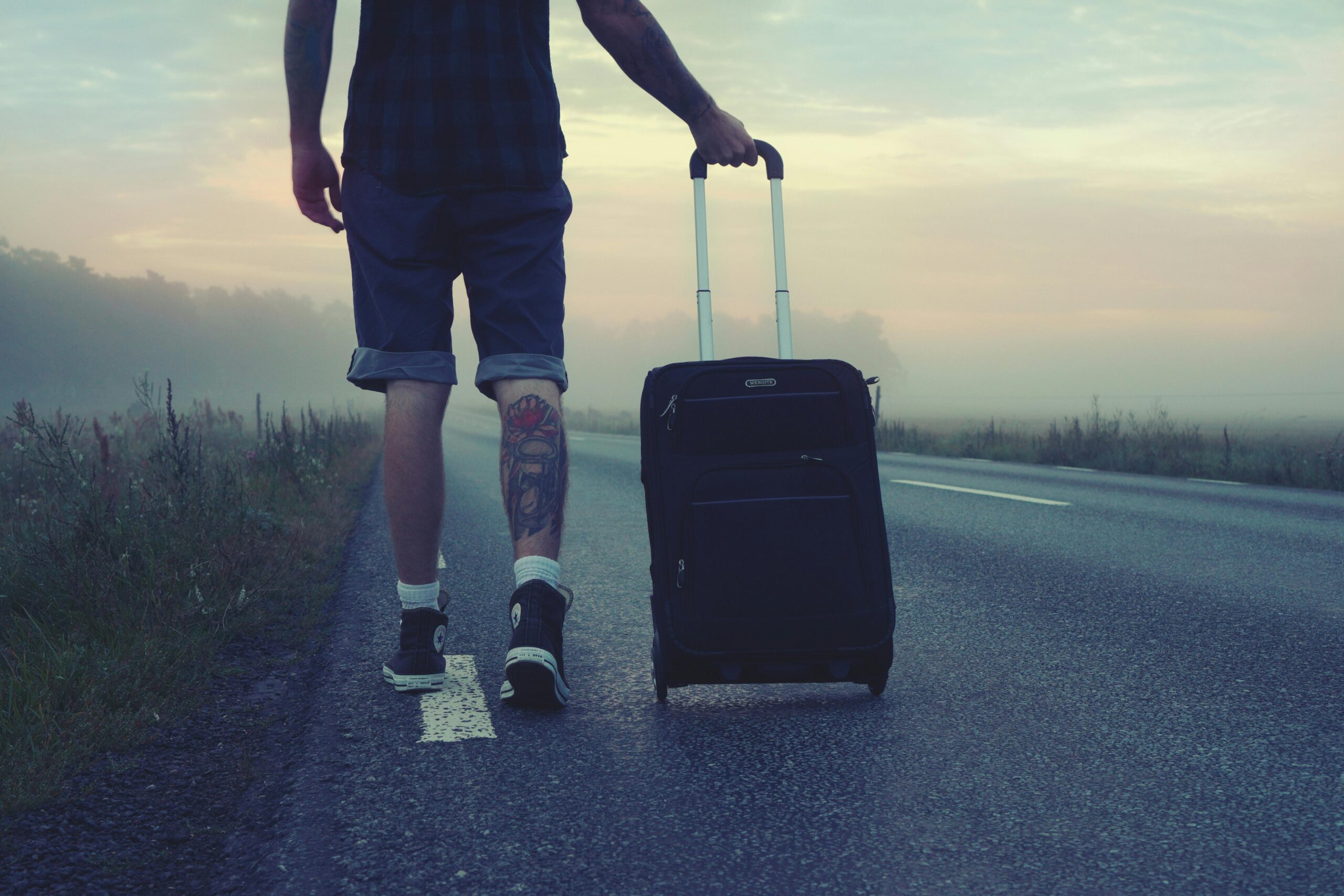
I’m not gonna lie—this is one of those stories that sounds intense on paper, but once you actually sit with it, it gets way more complicated. Walking 1,500 miles is already wild. Doing it through the Deep South while wearing a Black Lives Matter shirt? That’s the kind of idea that instantly raises questions.
The documentary, which picked up attention in this Reddit thread, follows filmmaker Rob Bliss as he retraces that journey. According to the premise, he walked roughly 25 miles a day for about two months, documenting the reactions he got along the way—some supportive, many hostile, and a few genuinely unsettling.
A Journey That Was Physically and Emotionally Heavy
At its core, the film focuses just as much on the toll of the journey as the message behind it. Walking that distance alone would push most people to their limit, but doing it while constantly feeling like you might be in danger adds a completely different layer.
One commenter described it as watching “a regular guy who committed to something, realized he might be in over his head, and still pushed through it.” That seems to be a big part of the documentary’s appeal—it’s not polished or heroic in the traditional sense. It’s messy, uncomfortable, and very human.
And honestly, that kind of rawness can make a story hit harder than something overly curated.
Not Everyone Is Buying the Intentions
At the same time, the reactions haven’t been entirely positive. A noticeable portion of viewers questioned whether the project was more about the message—or the person behind it.
Some comments suggested Bliss came across as unprepared for the kinds of conversations he encountered, especially when dealing with openly hostile or racist individuals. Others went further, saying the film felt more like a personal spotlight than a fully thought-out exploration of the issues it touches on.
That tension—between intention and execution—seems to be one of the biggest talking points.
The Stories People Shared Hit Just as Hard
Interestingly, some of the most powerful reactions didn’t come from the film itself, but from the comment section around it. One user shared a real-life experience of encountering blunt racism during a trip through the South, recalling a moment that felt so casual and direct it left a lasting impression.
Another commenter described how their partner experienced targeted harassment when alone, even in recent years, pointing out that these issues aren’t just historical—they’re ongoing.
Those stories added a different kind of weight to the discussion. It stopped being just about one man’s journey and started feeling like a broader conversation about lived experiences.
A Documentary That Sparks More Debate Than Agreement
If anything, White Man Walking seems less like a film people agree on—and more like one that pushes people to react. Some see it as a risky, uncomfortable attempt to confront reality. Others see it as incomplete, or even misguided.
But maybe that’s the point.
Because whether people are praising it or criticizing it, they’re engaging with it. And for a documentary tackling something this layered, that might matter just as much as the walk itself.
Still, it’s the kind of story that leaves you thinking—not just about what happened on that road, but about why someone would choose to walk it in the first place.
More from Vinyl and Velvet:

Leave a Reply