

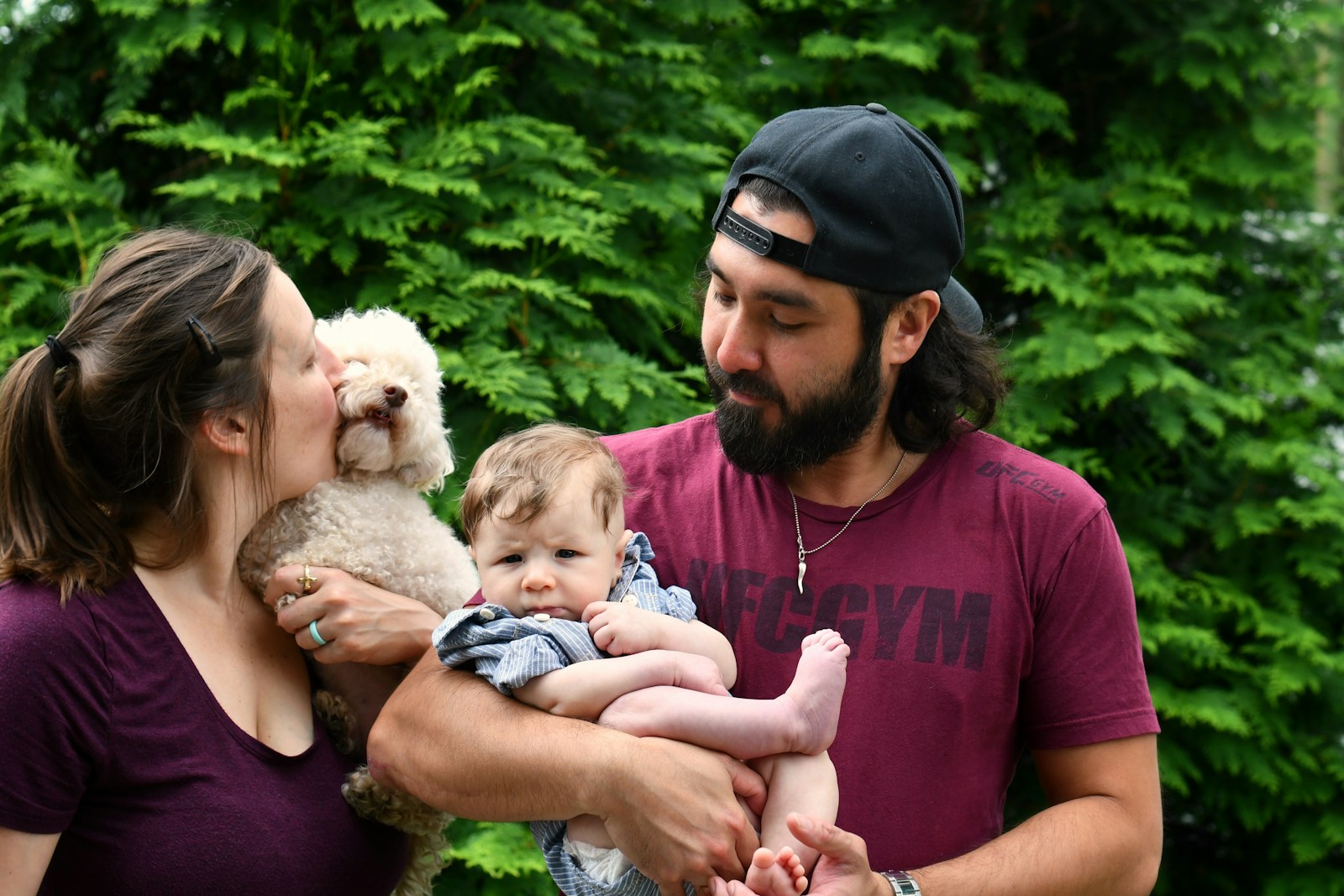
A father’s joy over welcoming his newborn son has been overshadowed by cruel comments from his own family about the baby’s mixed-race appearance. The man shared his distress online after relatives repeatedly mocked his child’s features, leaving him worried about the prejudice his son might face as he grows up.
The father revealed that family members have made disparaging remarks about his newborn’s skin tone and physical characteristics, creating an environment of fear rather than celebration around his child’s arrival. The situation has forced him to confront uncomfortable truths about racism within his own family circle.
His story highlights the harsh reality that mixed-race children often face from an early age, even from those who should offer unconditional love and support. The father now grapples with how to protect his son while maintaining family relationships, a dilemma many parents in interracial families encounter when relatives express prejudiced views.
Family Dynamics and the Impact of Racist Mockery
When family members direct racist comments toward a mixed-race child, the damage ripples through multiple generations, affecting parents who must protect their children while managing their own emotional responses and relationships with relatives who refuse to acknowledge the harm they cause.
Immediate Emotional Effects on Parents and Child
The father’s terror about his son’s future stems from witnessing family members repeatedly mock his newborn’s appearance. Parents of mixed-race children who face racism within their own families experience a unique form of grief. They mourn the loss of the supportive family environment they expected their child would have.
This grief often comes without a clear diagnosis or resolution. The parents must process their shock while simultaneously protecting their infant from future harm.
The emotional toll manifests immediately. Mothers and fathers report feeling betrayed by people they trusted. They question whether family gatherings are safe spaces for their children.
Key emotional responses include:
- Anxiety about the child’s developing self-image
- Anger toward family members making comments
- Helplessness when relatives dismiss concerns
- Isolation from extended family support networks
Patterns of Mockery and Their Roots in Family Culture
Racist comments about a mixed-race child’s features often reflect deeply embedded family attitudes that predate the child’s birth. Research demonstrates how racism is endemic to multiracial family life, with patterns passed down through generations.
Family members making these comments frequently grew up in environments where such remarks were normalized. They may view their mockery as harmless teasing rather than racist behavior. Some relatives compare the baby’s skin tone, hair texture, or facial features unfavorably to other family members.
The mockery typically intensifies during family reunions when multiple relatives participate. One person’s comment emboldens others to join in. These gatherings become testing grounds where monoracism surfaces in multiracial families.
The Role of Extended Family in Perpetuating or Challenging Bias
Extended family members hold significant power in either stopping racist mockery or allowing it to continue unchecked. When grandparents, aunts, uncles, or cousins stay silent during racist comments, they signal approval through inaction.
Some relatives actively challenge the mockery. They interrupt harmful comments and redirect conversations. Others claim neutrality, treating the situation as a disagreement rather than recognizing it as racism.
The approximately 7 million mixed-race people in the United States often navigate these complex family dynamics without adequate support. Extended family members who consider themselves progressive or part of cultural elites sometimes prove least willing to acknowledge their own biases. They resist being labeled racist, making accountability difficult.
Family responses typically fall into these categories:
| Response Type | Behavior Pattern |
|---|---|
| Active challengers | Interrupt racist comments, support parents |
| Silent enablers | Witness mockery without intervention |
| Defenders | Excuse relatives making comments as “just joking” |
| Escalators | Add their own racist observations |
Growing Up Mixed-Race: Challenges and Hope
Mixed-race children navigate a complex landscape where identity questions and external judgment shape their formative years, yet many find ways to build strength and pride in their dual heritage.
Fear of Judgment and Its Long-Term Consequences
The father’s terror about his son facing mockery reflects a reality many mixed-race individuals experience growing up. Children as young as elementary school age find themselves explaining their existence to peers who can’t understand how they fit into predetermined categories.
Comments about appearance from family members create lasting wounds. One person recalled how their great-great-aunts played with their light-colored hair, discussing how it meant they would be “safe in American society” and avoid the violence their darker-skinned relatives faced. Another remembered being told they were “only half Black” as justification for relatives using racial slurs around them.
The judgment doesn’t come from one direction. Mixed-race teens report feeling not “Black enough” or “white enough” for different groups. They spend energy proving themselves just to belong anywhere. This constant positioning takes a mental toll that extends well beyond childhood, affecting self-perception and relationships throughout life.
Building Resilience and Aspiration Amid Prejudice
Despite facing rejection, many mixed-race individuals develop resilience through their dual heritage. Some grow up immersed in one parent’s traditions while the other parent becomes a craftsman of cultural learning, actively studying and embracing their partner’s background to pass it on.
The aspiration to belong somewhere drives many to explore both sides of their identity as adults. One person described learning Mandarin and embracing Asian culture after years of feeling disconnected from that heritage. They acknowledged their white-passing privilege while working to understand the part of themselves they’d assimilated away.
Family structures vary dramatically. Some households blend cultures seamlessly, sharing the same food and music regardless of different skin colors. Others see parents working as interpreters between worlds, vouching for each other in spaces where one isn’t welcomed. These examples show children that navigating multiple identities requires active effort rather than colorblind denial.
Establishing a Positive Legacy for Mixed-Race Children
The legacy parents create around race shapes whether children see their mixed heritage as burden or gift. Adults who grew up in colorblind households describe confusion and resentment that required therapy to untangle. One woman didn’t learn her family descended from enslaved people until a relative contacted her on Facebook in her twenties.
Parents who acknowledge race while celebrating both cultures give children tools to answer the inevitable “What are you?” questions. This includes practical matters like learning proper hair care for different textures and emotional preparation for moments when strangers mistake a white parent for something other than family.
The number of Americans identifying as mixed-race continues rising, creating more visibility around these experiences. Each generation gets slightly better language and understanding for navigating identity that doesn’t fit into single boxes. Still, the work falls on parents to build that foundation rather than leaving children to figure it out alone.
More from Vinyl and Velvet:

Leave a Reply