

You’ll see how normal legal steps, not royal privilege, will likely shape what happens next. Legal experts say he is unlikely to get special treatment as investigators follow standard procedures.
He faces routine criminal processes—forensic review, witness interviews, and a charging decision—while the palace responds and public scrutiny grows. Follow the article to understand how the investigation proceeds, what the royal reaction means, and which developments could change the course of the case.
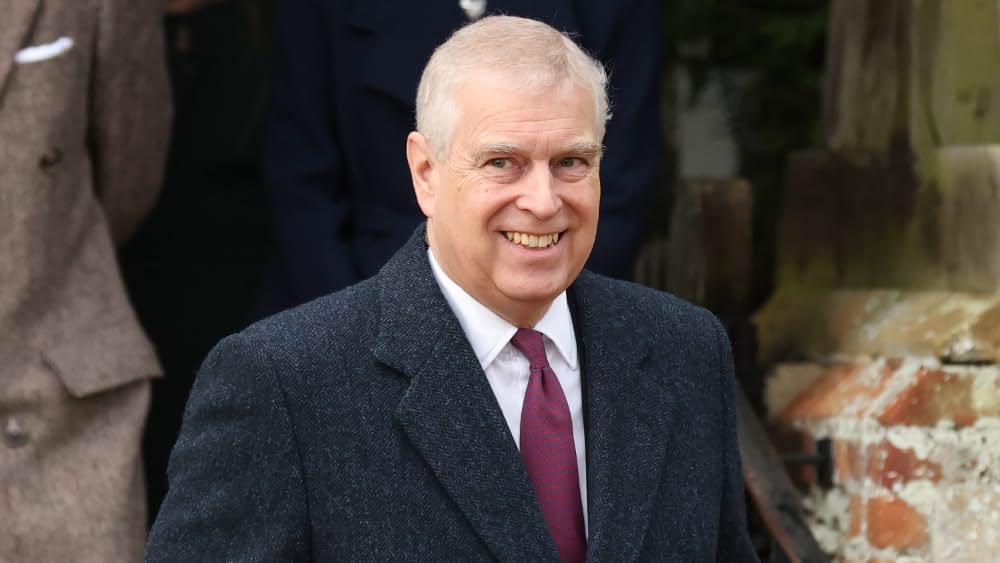
Legal Process for Prince Andrew: No Special Treatment
Authorities followed routine investigative steps while handling the situation and emphasized that legal decisions hinge on evidence, not status. The next actions center on forensic review, witness inquiries, and prosecutorial assessment.
Arrest and Custody Procedures
Thames Valley Police arrested Andrew Mountbatten-Windsor on suspicion of misconduct in public office and held him in custody for questioning. Officers must follow standard arrest protocols: cautioning, recording the time and grounds for arrest, and documenting interviews under the Police and Criminal Evidence Act (PACE) procedures.
While in custody, he was entitled to legal advice and access to a solicitor, medical attention if needed, and the right to have someone told of his detention. Custody officers logged the detention, searches, and any property seized, including electronic devices. Release options after initial detention include bail with conditions, release under investigation, or charge — each decision driven by evidence and investigative needs rather than personal rank.
Misconduct in Public Office Explained
Misconduct in public office criminalizes abuse or neglect of duties by a person holding a public role. The offence requires proof that the defendant was in a public office, willfully neglected or abused that office, and acted without reasonable excuse to such a degree that it amounted to an abuse of the public’s trust.
For a former trade envoy like the former Duke of York, prosecutors would assess whether official responsibilities continued to carry public-law duties at relevant times. The Crown Prosecution Service evaluates whether credible evidence exists to show a breach of duty and if a realistic prospect of conviction and public interest threshold are met. The charge is serious and can lead to significant penalties if proven, but charging decisions rest on tightly framed legal tests, not public pressure.
Role of Thames Valley Police and CPS
Thames Valley Police leads the evidence-gathering: executing search warrants, seizing devices and documents, conducting interviews, and liaising with specialist units for digital forensics. Investigators prepare comprehensive files that set out the chronology, witness statements, and forensic findings.
The Crown Prosecution Service then reviews the police file under the Full Code Test. CPS lawyers decide whether evidence meets the threshold for prosecution and whether proceeding serves the public interest. Complex cases often involve additional consultation with senior prosecutors and potentially cross-border cooperation if international evidence or testimony is relevant. The process can be lengthy where sealed files or classified materials require careful handling.
Implications of Royal Status in Legal Proceedings
Royal status carries symbolic weight but no formal legal immunity from criminal investigation in the UK. Officials have publicly stressed that procedural steps applied to any suspect will apply to him, and legal protections for some official communications may require judicial consideration rather than blanket exemption.
Practical differences can arise: security arrangements during arrest and custody, sensitive handling of material tied to state or diplomatic roles, and potential involvement of government legal advisers if official files are implicated. These operational adjustments aim to protect national interests, not to alter evidential or prosecutorial standards. Public statements from palace officials and media reporting can affect perception, but charging and trial decisions remain evidence-driven and overseen by independent prosecutors and courts.
Wider Impact: Royal Reaction and Ongoing Investigations
King Charles III has publicly pledged full cooperation with investigators and emphasized that the law must take its course. The arrest has pulled long-buried questions about past royal dealings into public view and intensified scrutiny of institutional oversight.
King Charles III’s Response
Charles issued a statement expressing the family’s “full and wholehearted support and cooperation” with police following Andrew Mountbatten-Windsor’s detention. He acknowledged the seriousness of the allegations and framed the response as one of legal compliance rather than internal protection.
Palace actions have included distancing Andrew from official duties and removing royal patronages earlier, steps that signaled a shift from private containment to formal separation. Those moves aimed to protect the monarchy’s functioning at Windsor Castle and elsewhere while investigations proceed.
The king’s messaging also sought to reassure senior royals and the public, especially during high-profile moments such as London Fashion Week appearances by other family members, that the institution remains operational despite the turbulence.
Epstein Case Connections and Public Scrutiny
Investigators are revisiting ties between Andrew and Jeffrey Epstein, including material from the Epstein files that raised fresh questions about meetings, communications, and potential misuse of official channels. Allegations linking Andrew to Jeffrey Epstein and interactions involving Ghislaine Maxwell and Virginia Giuffre remain central to probe lines.
Police searches at properties tied to Andrew, including his previous home, Royal Lodge, and his temporary residence at the Sandringham Estate’s Wood Farm, aimed to secure documents and electronic evidence. Prosecutors will assess whether any conduct amounts to misconduct in public office or other offences.
Public and media attention has focused on timelines and documents, with each new disclosure increasing pressure on prosecutors to act transparently. The overlap of international civil suits and criminal inquiries complicates proceedings and extends scrutiny across jurisdictions.
Reactions from the Royal Family and the Public
Within the family, responses have been cautious and calibrated. Senior working royals such as the Princess of Wales and Prince William have maintained silence publicly while supporting the king’s stance; insiders describe efforts to shield active royal duties from fallout.
Public reaction has ranged from calls for full accountability to concern about institutional reputation. Polling and opinion pieces show an erosion of trust among some segments, while others emphasize the distinction between one individual’s alleged conduct and the roles held by the monarch and heir apparent.
Activists and survivors’ groups have used the moment to press for clearer transparency and stronger safeguarding across royal offices. That pressure has fed political questions in Parliament and intensified media coverage, keeping the story at the top of news cycles.
More from Vinyl and Velvet:

Leave a Reply