

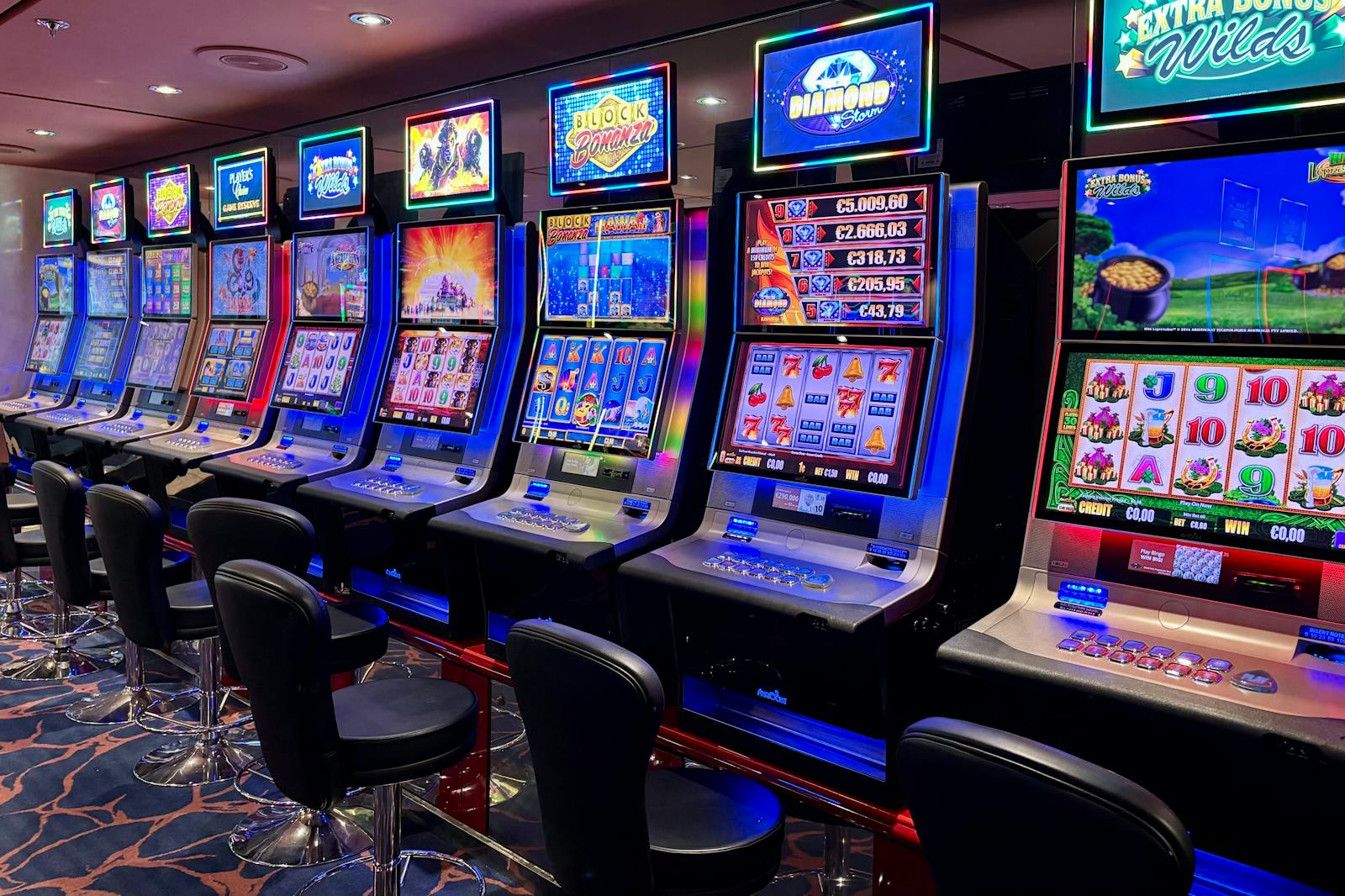
Kroger is under fire from customers who say their neighborhood grocery store now feels uncomfortably close to a casino. Coin-operated gambling-style machines have started showing up beside the soda coolers and customer service desks, and the reaction has been swift, angry, and very public.
The company is experimenting with these machines as an extra revenue stream, but shoppers and local residents argue that the move targets people who can least afford to lose. The clash is turning a routine grocery run into a flash point over addiction, corporate responsibility, and what kind of behavior big chains are willing to monetize inside their own walls.
From grocery run to mini casino
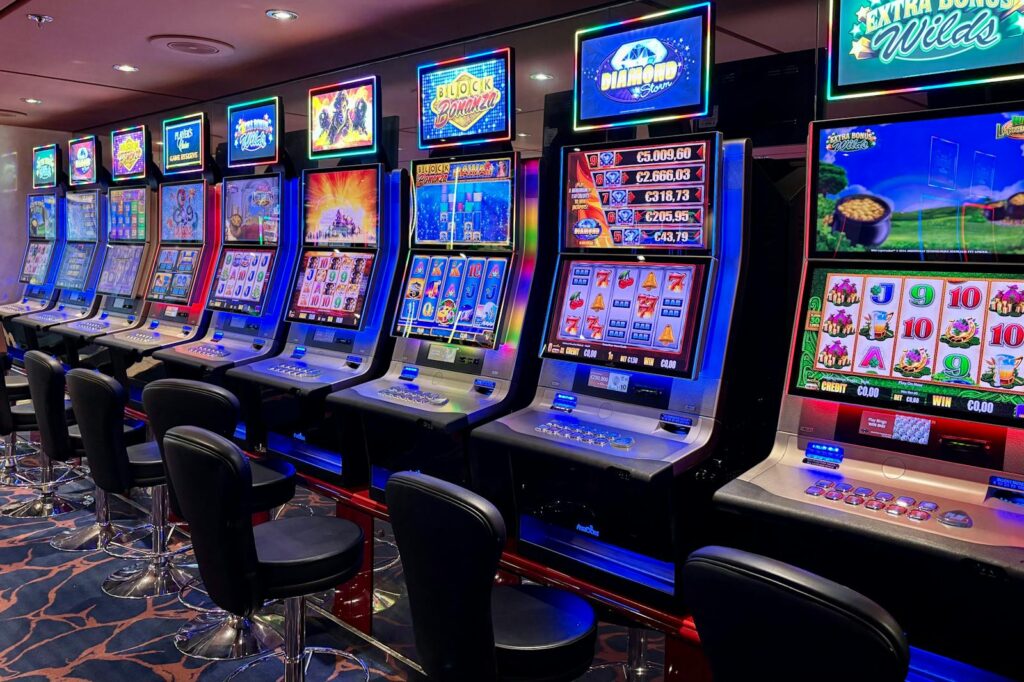
The controversy took off after photos of gambling machines inside Kroger stores in Georgia began circulating online, with customers describing the new setups as mini casinos tucked into the corner of an otherwise ordinary supermarket. One viral post showed a row of bright screens near the front of a Georgia store, with the poster joking that shoppers could now pick up bread and place bets in the same trip, and that image quickly became shorthand for how far the chain was willing to go to chase extra income. For many viewers, it framed the machines not as harmless entertainment but as a jarring shift in what people expect to see on a grocery run.
Reporting on the Georgia locations highlighted how a single store could now feature a cluster of coin-operated games that look and feel like slot machines, complete with flashing lights and a payout system that encourages repeat play. Shoppers described them as a RECENT addition and accused Kroger of quietly transforming parts of the store into a betting zone. Once that framing hit social media, it set the tone for a broader backlash that has only grown louder.
Local outrage in Georgia and South Fulton
The first wave of anger came from Georgia shoppers who walked into their usual Kroger and felt blindsided by what they saw. A number of customers complained that the machines seemed to be drawing in people who were not there to shop at all, turning the front of the store into a hangout for gamblers and changing the atmosphere for families with kids in tow. In one account, a shopper described the setup as a mini casino and accused Kroger of taking advantage of people with gambling addictions for profit, language that captured the raw frustration behind the complaints.
Similar tension surfaced in South Fulton, where residents discovered coin-operated amusement machines installed inside a Kroger on Old National Highway and quickly organized against them. Local coverage showed neighbors standing in the store parking lot and voicing anger that a major supermarket in their community had become a magnet for gambling. One video segment on the new gaming machines captured residents describing the store as a place where kids buy snacks after school, not somewhere they should have to walk past rows of flashing betting terminals. For many of them, the issue was less about the legality of the machines and more about what it signaled about how Kroger views the neighborhoods it serves.
Gambling addiction fears collide with everyday shopping
Behind the outrage sits a deeper anxiety about how normalized gambling has become in everyday American life. Critics point out that Kroger is not just any venue; it is a place where people buy groceries, pick up prescriptions, and cash paychecks, and that makes the presence of gambling machines feel especially predatory. One national report on the uproar framed it as Outrage as makeshift, tying the store-level decisions to a wider surge in betting that has left more people vulnerable to financial and mental health fallout.
Residents who spoke out argued that putting machines in a grocery store effectively ambushes people who are trying to avoid temptation, especially those already struggling with gambling problems. Some described watching customers linger at the screens for long stretches, feeding in more cash instead of heading to the checkout line. Others worried that teenagers and children, already accustomed to loot boxes and in-app purchases in games, would see the machines as just another form of entertainment. In their view, Kroger is not simply renting floor space; it is actively blurring the line between routine errands and high-risk behavior.
How a viral post turned a local fight into a national debate
The story might have stayed local if not for a single viral post that turned one Georgia store into a symbol of something bigger. A shopper snapped a photo of the machines and shared it with a caption that captured the absurdity of being able to pick up groceries and gamble under the same fluorescent lights. That image, and the comments that followed, pushed the conversation far beyond one aisle in one state. Coverage of the Viral debate over Kroger gambling machines in Georgia described how quickly the post spread and how it tapped into existing concern about corporate promotion of betting.
As the image took off, reporters began tracing the reaction to broader trends in online gambling and betting culture. Some of that work drew on outside expertise that had previously focused on digital markets, including resources such as betting sites and detailed breakdowns of poker sites that show just how many ways there are to place a wager from a phone or laptop. Against that backdrop, the idea of a grocery chain adding physical machines into its floor plan looked less like an isolated experiment and more like another node in a fast-expanding gambling ecosystem that now stretches from smartphone screens to supermarket entrances.
What Kroger’s gamble says about corporate priorities
For critics, the machines are not just a bad look; they are a clear statement about what Kroger values. The company sees a chance to earn extra revenue from coin-operated games that are regulated as amusement devices, and it has apparently decided that the financial upside outweighs the reputational risk. Residents in South Fulton and Georgia say that calculus ignores the social cost in communities that already wrestle with limited financial resources and higher exposure to addictive products. Their argument is simple: a chain that profits when people buy milk and vegetables should not also profit when those same customers lose money to blinking terminals a few feet away.
The pushback has also raised questions about who inside Kroger is making these calls and how much local input they are getting. Some observers have looked up the professional background of figures such as Suswati Basu, who has covered the Viral Kroger Georgia story, to understand how media attention is shaping the company’s risk calculations. Others have followed the digital trail of the outrage, from the original Georgia post to social media shares and sign-in pages like login portals that sit behind some of the coverage. Taken together, those threads show how a handful of machines in a few stores have put Kroger at the center of a national argument about where corporations draw the line between clever monetization and exploitation.
More from Vinyl and Velvet:

Leave a Reply