

You’ll want to know why a politically driven alternative to the Super Bowl halftime show ended up sparking conversations about unexpected viewing trends — including a Puppy Bowl moment that surprised many. The piece breaks down who performed, what themes surfaced during Kid Rock’s “All-American” Halftime Show, and how its audience numbers stacked up against major broadcasts.
Kid Rock’s TPUSA-backed special pulled a notable online audience but still trailed far behind the Super Bowl’s official halftime ratings, while also prompting comparisons to niche broadcasts like the Puppy Bowl that briefly outperformed expectations.
Keep going to see which performances and moments shaped public reaction and to compare viewership figures across the three events.
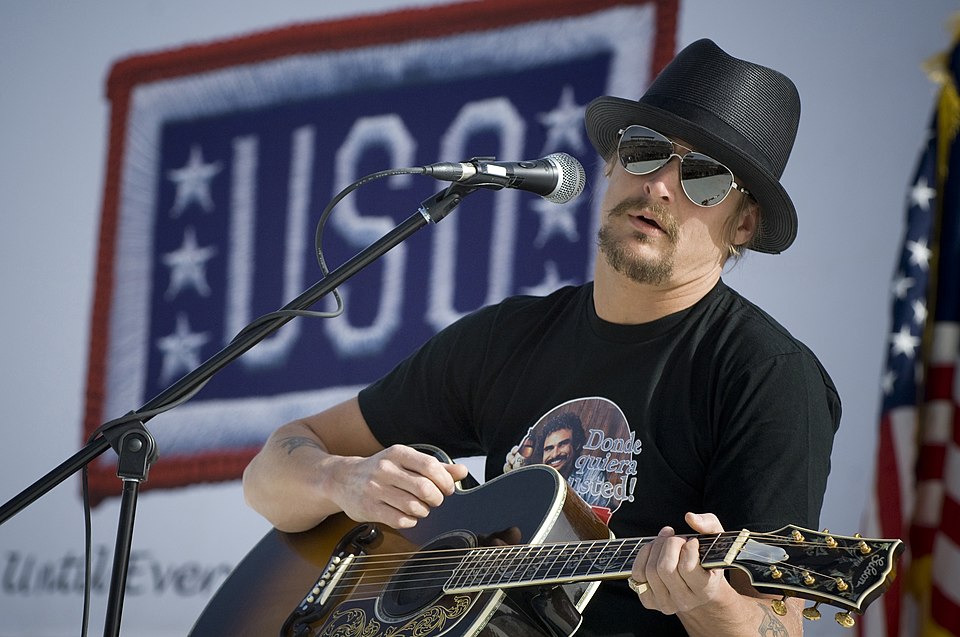
Kid Rock’s “All-American” Halftime Show: Performers, Themes, and Audience
The event blended country acts, conservative messaging, and a livestreamed counterprogram to the NFL halftime. Performances ranged from high-energy rock to stripped-down country, and the presentation included a public tribute and calls to engage with Turning Point USA.
Overview of the All-American Halftime Show
The All-American Halftime Show aired as a Turning Point USA alternative to the NFL halftime, streaming primarily on TPUSA’s YouTube livestream and promoted through conservative channels. It ran roughly 12–15 minutes of music with short interstitials and a tribute segment, aiming squarely at a patriotic, faith-oriented audience.
Production mixed taped segments and live moments before a few-hundred-person on-site crowd. Visuals included patriotic banners, dimmer stadium-style lighting compared with the NFL show, and merchandise and donation prompts integrated into on-screen graphics.
Viewership metrics were notable: reports cited millions of streams across platforms, and social engagement skewed heavily toward conservative social channels and comment threads. The format prioritized message coherence over spectacle.
Performers and Setlist Highlights
Kid Rock headlined and opened with energetic classic-rock material before switching to a subdued acoustic cover of Cody Johnson’s “Til You Can’t,” which he released recently. That shift showcased both his party-rock image and a more sentimental, faith-forward moment during which he dedicated a new verse and offered a shout-out to Jesus.
Country artists included Brantley Gilbert, who performed anthemic tracks such as “Real American” and a slowed version of “Dirt Road Anthem.” Gabby Barrett sang hits like “I Hope” and “One of the Good Ones,” delivering polished vocals in a stripped-back setting. Lee Brice moved between crowd-rousing “Drinking Class” and a politically tinged new song about cultural identity.
Performances felt curated to appeal to “faith, family, freedom” messaging. The setlist blended nostalgia, contemporary country radio hits, and one explicitly political moment from Brice that drew vocal approval from the live audience.
Turning Point USA and Charlie Kirk’s Tribute
Turning Point USA produced the show and framed it around founder Charlie Kirk’s conservative movement. The livestream opened and closed with overt organizational branding, donation pitches, and calls to text and join TPUSA initiatives, tying the musical program directly to activism.
A taped tribute to Charlie Kirk, including photos of Kirk and his wife Erika Kirk, ran during the stream. Speakers linked the event to recruitment of young conservatives and promoted Kirk’s recent book as part of the on-screen messaging.
TPUSA also used the halftime slot to amplify allied conservative voices and institutions, featuring brief remarks from right-leaning commentators and visual promos for Hillsdale College. The result felt less like a neutral concert and more like a compact political rally wrapped in music.
Show Format and Streaming Platforms
TPUSA streamed the All-American Halftime Show on YouTube and attempted distribution on X but cited licensing limits for some platforms. The YouTube livestream became the primary viewing point, drawing live chat activity and millions of views in the days after the event.
The broadcast interleaved short commercial-style promos, sponsor placements, and on-screen donation prompts with performance clips. Some acts appeared lip-synced or pre-recorded, suggesting a hybrid live/taped production to control sound and visuals.
Unlike the NFL broadcast, TPUSA’s stream avoided large arena staging and relied on a narrower production footprint and online amplification through conservative networks like Real America’s Voice. That distribution strategy prioritized direct engagement with a politically aligned online audience over mainstream broadcast reach.
Halftime Show Ratings: Comparing Super Bowl, Puppy Bowl, and the All-American Alternative
Bad Bunny’s official Super Bowl set reached a massive live audience on broadcast TV and drew far higher streaming numbers than the conservative alternative, while the Puppy Bowl posted an unexpected ratings spike that grabbed attention across social media and daytime viewers.
Super Bowl LX Halftime Ratings and Bad Bunny’s Viewership
NBC reported that Bad Bunny’s Super Bowl LX halftime performance averaged about 128.2 million viewers during the 8:15–8:30 p.m. ET window. That figure tracked slightly below last year’s record-level halftime audience but still placed Bad Bunny among the most-watched halftime acts in recent history.
His set included high-profile collaborators, notably Lady Gaga and Ricky Martin, which likely helped sustain mainstream interest and cross-demographic reach.
On digital platforms, the NFL’s official uploads and clips added millions of additional plays within days, though broadcast Nielsen numbers remained the primary metric advertisers cited.
All-American Halftime Show Ratings and Streaming Numbers
Turning Point USA’s All-American Halftime Show, headlined by Kid Rock, streamed across TPUSA’s channels and conservative outlets such as Real America’s Voice and OAN. Early reports put concurrent YouTube viewership in the low millions; some outlets cited a peak near 6.1 million concurrent viewers on YouTube during parts of the broadcast.
Across platforms and delayed views, the event accumulated tens of millions of total views within days, but it remained well below the Super Bowl’s broadcast reach.
TPUSA’s strategy prioritized social distribution and ideologically aligned networks, which concentrated viewers but did not match the NFL’s broad national TV reach.
Puppy Bowl Ratings Surprise
The Puppy Bowl, airing around the same midday window, saw a notable uptick in viewership compared with typical years, driven by streaming and family audiences watching daytime animal programming.
Ratings showed strong engagement on pet-friendly platforms and social clips, and the event trended on social media during key segments.
This spike mattered because it highlighted how non-sports programming can capture large niche audiences during major live-event weekends, especially among viewers who skipped or split time from the official halftime broadcast.
Media Reaction and Cultural Impact
Mainstream outlets compared raw Nielsen broadcast numbers with platform-specific totals to frame a clear winner: Bad Bunny’s televised halftime drew far more viewers than the alternative show. See detailed early reporting on viewership comparisons from TV Insider.
Commentary also focused on cultural splits: Bad Bunny’s diverse, star-studded production appealed broadly, while Kid Rock’s All-American set targeted conservative viewers and gained press attention for its political positioning.
Coverage of the Puppy Bowl’s ratings highlighted changing viewing habits and the value of niche live events during marquee sports weekends.
More from Vinyl and Velvet:

Leave a Reply