

You’ll want the facts up front: footage from Turning Point USA’s All-American Halftime Show made it look like Kid Rock wasn’t singing live, and that claim sparked widespread online mockery and media coverage. He says the set was pre-recorded and blames post-production audio misalignment for the appearance of lip syncing, while denying he used a prerecorded vocal track.
The article will walk through what people saw during the performance, how the clips spread on social platforms, and the technical explanations Kid Rock offered about pre-taping and editing. Expect a clear rundown of the controversy and his response so you can decide whether the criticism stuck.
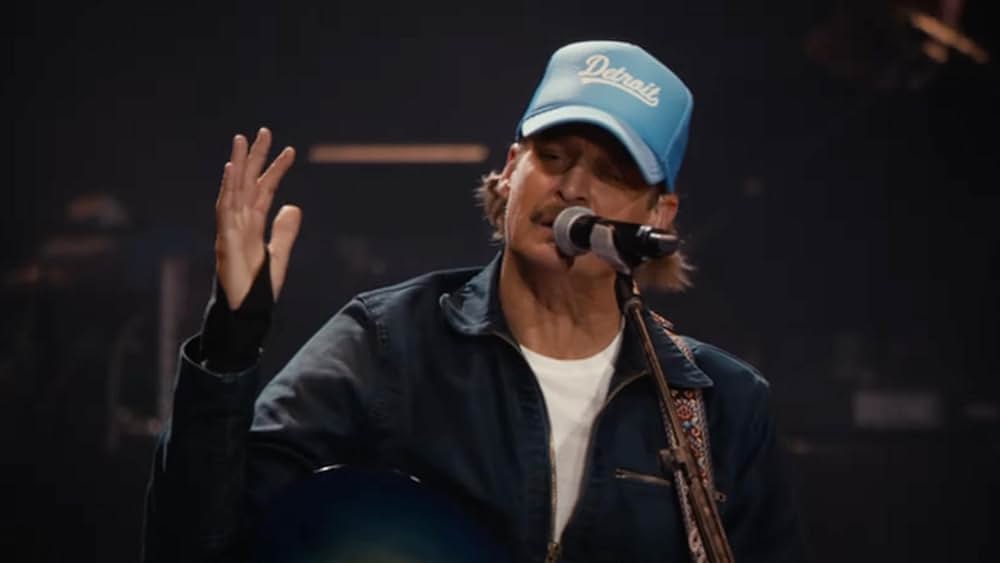
The Lip Syncing Controversy at Turning Point USA Super Bowl Event
The performance drew heavy attention because viewers noted mismatches between Kid Rock’s mouth movements and the audio during the Turning Point USA “All‑American Halftime Show.” Social clips and news reports focused on a pre‑recorded element and whether his live delivery matched the playback.
How the Allegations Started
Shortly after the show streamed, viewers posted clips showing moments where Kid Rock’s mouth did not align with the track during his performance of “Bawitdaba.” The Turning Point broadcast used pre‑recorded audio elements, which Kid Rock later confirmed, saying parts were pre‑taped while other elements were delivered live.
Critics zeroed in on timing errors in the broadcast edit and dancer‑camera cuts that made the mismatch more obvious. Media outlets and commentators described the discrepancy as a lip‑sync appearance, while Kid Rock and some on the production team blamed a syncing or editing issue rather than intentional lip syncing.
The Social Media Backlash and Public Response
Video posted on X and other platforms accumulated rapid shares and mocking commentary, turning the moment into a viral talking point on Super Bowl Sunday. Viewers used short clips to highlight perceived flubs, and reaction posts ranged from ridicule to debate about production standards at the TPUSA halftime show.
Kid Rock addressed the backlash in interviews, calling the reports a syncing problem and defending the Turning Point production crew. Turning Point USA’s alternative halftime presentation, promoted as an English‑language, “faith, family and freedom” option, became part of the conversation about production quality versus political framing.
Comparison With Bad Bunny’s Halftime Performance
Bad Bunny’s official Super Bowl set at Levi’s Stadium drew millions of viewers and praise for a largely live, choreographed 13‑minute show that leaned heavily on Spanish‑language material. In contrast, the TPUSA alternative focused on Americana and English‑language content and relied more on pre‑recorded tracks for its headliner.
Audience and media comparisons emphasized scope and polish: Bad Bunny’s show featured large staging, guest appearances, and a widely streamed NFL broadcast. The Turning Point event, positioned as an alternative halftime show, attracted attention for its political framing as much as for technical missteps in live synchronization.
Kid Rock’s Response and Technical Explanations
Kid Rock said the performance was not a deception and blamed visible mismatches on post-production and synchronization problems rather than intentional lip syncing. He pointed to layered audio, camera edits, and a rushed final cut as the reasons clips circulating online looked off.
Kid Rock’s Denial of Lip Syncing
Kid Rock publicly rejected accusations that he mimed the performance, calling them “fake news” in posts and interviews. He acknowledged that parts of the broadcast used pre-recorded elements — common in large events — but insisted his lead vocals were recorded live on stage.
He described a situation where a DJ or backing vocal track ran alongside his live mic, which created an audio mix that didn’t always match the camera angles viewers later saw.
He also referenced a rough cut and early edits that were shared or leaked, saying the timing errors appeared when editors attempted to align multiple audio feeds with switched camera shots.
Production Team’s Role and Synchronization Challenges
Production staff told him and performers they were juggling multiple audio sources, streaming encoders, and rapid camera switches during the Turning Point USA halftime show. Synchronization issues can arise when editors try to time a live vocal feed to a pre-recorded backing track while cameras move across the stage.
Kid Rock described the post-show workflow as compressed, with a tight turnaround from performance to online distribution; that increases the chance that “paradime” (production paradigm) decisions — using guide tracks, playback, or partially pre-recorded stems — will show visible mismatches.
Technical constraints such as stream latency, mixer routing, and a last-minute rough cut reportedly created the specific moments where his mic looked lowered but sound continued, which critics labeled lip syncing.
Media, Critics, and Reactions From the Entertainment World
Critics amplified short clips posted on X and other platforms, where timing mismatches looked most obvious. TV commentators like Laura Ingraham and programs such as The Ingraham Angle discussed the controversy in political terms, while entertainers including Brantley Gilbert, Lee Brice, and Gabby Barrett faced questions about the event’s production choices.
Some pundits framed the backlash as part of a larger culture fight involving figures like Charlie Kirk and Donald Trump, who had promoted the alternative halftime event. Others compared the situation to mainstream entertainment discussions about authenticity, citing segments on late-night shows and formats like Lip Sync Battle or Jimmy Kimmel’s commentary.
Responses ranged from defense of industry norms to calls for clearer labeling when pre-recorded elements are used; that debate kept the focus on whether technical explanations or editorial decisions shaped what viewers saw online.
More from Vinyl and Velvet:

Leave a Reply