

You’ll want the facts up front: Kid Rock denies lip-syncing and says the performance was prerecorded, blaming synchronization problems between the production crew and his DJ for the mismatched audio you saw. He maintains he wasn’t lip-syncing live; the issue, he says, came from the production’s sync errors and a rough cut that showed timing problems.
Expect the article to walk through his public responses, the technical explanations he offered, and the event’s context so you can judge how much weight to give the claims. The next sections break down his statements, what production choices mattered, and how the show was presented.
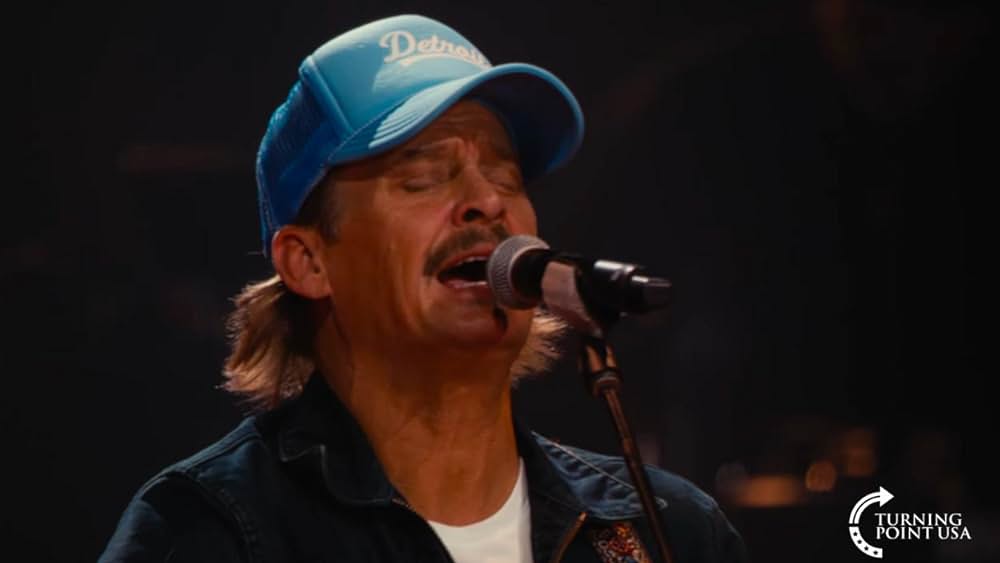
Kid Rock’s Response to Lip Syncing Claims
Kid Rock said the performance was prerecorded and pointed to specific technical problems rather than deliberate lip-syncing. He identified a mismatch between the filmed footage and the audio track, and he defended his energy and stage delivery during the set.
Social Media Reactions and Controversy
Social platforms quickly amplified clips showing mismatched audio and video during his rendition of “Bawitdaba.” Posts ranged from direct accusations of lip-syncing to defensive comments noting that the event was produced by Turning Point USA as an alternative halftime show, which some viewers said needed clearer labeling.
Comments on X and video-sharing sites pushed the story into mainstream outlets, prompting interviews and responses. Conservative commentators and fans tended to defend him, while others and several outlets highlighted the visible sync errors. That back-and-forth elevated the debate beyond the performance itself and into questions about how the show was marketed and edited.
Why the Performance Appeared Out of Sync
Kid Rock explained that the filmed footage and the pre-recorded audio track didn’t line up in the final edit. He said the production crew filming the set was not fully familiar with the call-and-response parts of his song, and they failed to include his DJ, Paradime, in the cuts where the DJ fills lyrics so Rock can catch his breath.
He told Fox News’ The Ingraham Angle and posted on X that he saw a rough cut that already showed syncing problems. The mismatch created the visual impression of lip-syncing because the mouth movements and the audible vocal track did not align in several segments of the halftime performance.
How Kid Rock Addressed the Accusations
He issued a direct rebuttal on social media, calling the lip-sync claims false and blaming “syncing issues” and an inexperienced edit for the appearance. In interviews, he reiterated that the set was prerecorded but argued that the problem was technical rather than dishonest performance.
Kid Rock also called out media critics, using blunt language to dismiss what he termed “fake news” coverage. He emphasized the role of his DJ and the physical demands of performing the song live, saying the pre-recorded format was a production choice that complicated syncing during post-production. (See the USA TODAY account of his statements.)
Production Details and Event Background
Turnpike-style planning and a prerecorded broadcast shaped the show’s logistics, and disagreements about sync and editing became the central technical story. The event was presented by Turning Point USA as an alternative to the NFL’s halftime programming and featured several country and rock performers.
Pre-Recording and Technical Challenges
The All-American Halftime Show was filmed ahead of Sunday’s broadcast, which means vocal and instrumental tracks were matched in post-production rather than performed strictly live. Kid Rock later said the production crew and post-production editors struggled to align his vocals with multi-performer video edits, producing visible sync errors during the “Bawitdaba” segment.
The production team reported difficulties capturing alternate vocal parts—Kid Rock’s DJ, Paradime, fills lyrics during high-energy sections—and those live-performance nuances didn’t always translate to the prerecorded footage. Early rough cuts flagged the problem, and he told producers the sync needed work, but the final stream still showed mismatches.
Turning Point USA’s Role and Alternative Halftime Show
Turning Point USA organized and funded the All-American Halftime Show as a counter-programming event to the Super Bowl LX halftime headlined by Bad Bunny. The conservative group positioned the stream as a political-cultural alternative, and Turning Point’s production division handled venue booking, filming logistics, and promotion.
Turning Point’s team coordinated stage setup, camera crews, and talent arrivals, but the group did not clarify to viewers beforehand that the show would be prerecorded, which contributed to confusion when playback issues surfaced. Event promotion emphasized names like Kid Rock and country acts, creating high expectations for a seamless live-feel broadcast.
Key Performers and Audience Reception
Performers included Kid Rock plus country artists such as Brantley Gilbert, Lee Brice, and Gabby Barrett, alongside Turning Point figures including Charlie Kirk, who helped frame the event’s political messaging. Viewership spiked during the head-to-head window with the Super Bowl, and the stream reportedly reached peak audiences in the millions on platforms like YouTube.
Audience reaction split between fans praising the lineup and critics pointing to the sync problems and the prerecorded format. Media coverage and social clips amplified the lip-syncing allegations, prompting public statements from artists and the production team defending the show’s quality and explaining technical constraints.
More from Vinyl and Velvet:

Leave a Reply