

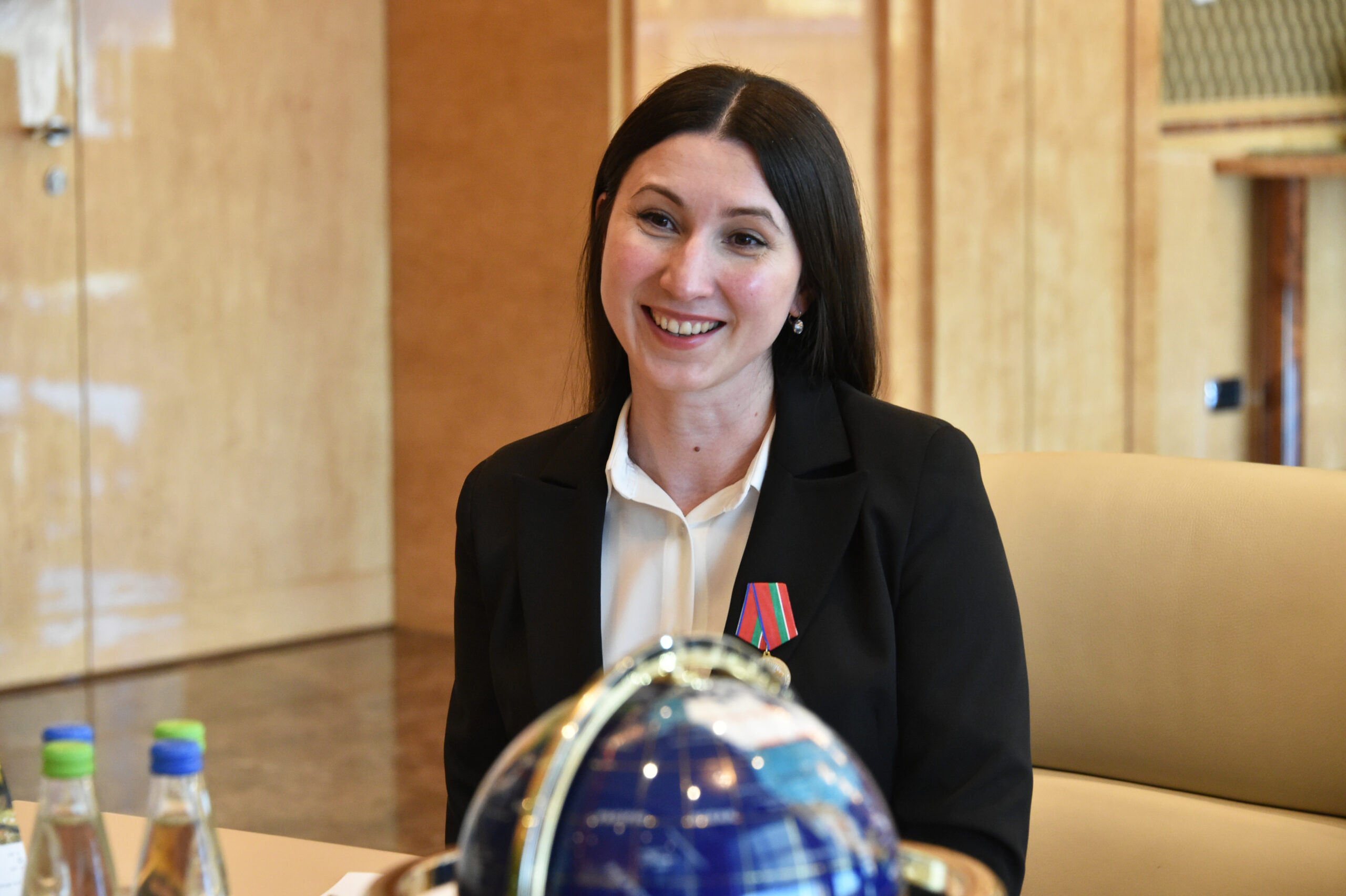
Kamila Valieva is back under the spotlights, and figure skating has not exactly eased her way in. Four years after a positive test for the banned substance trimetazidine turned the Beijing Olympics into a legal and moral minefield, the Russian prodigy has finally returned to competition, older, heavier with history, and still the center of a storm. Her comeback is not just about jumps and scores, it is a live test of how the sport handles one of its most controversial talents.
The 19‑year‑old has resumed her career at home in Russia, starting with domestic events that are drawing global attention even if they do not lead to the Olympics. Her first outings have been shaky by her own lofty standards, but the symbolism is loud: Kamila Valieva is skating again, and the debate over what that means for figure skating is nowhere near finished.
The long road from Beijing to a four‑year ban
To understand why this return feels so loaded, it helps to rewind to the Beijing Olympics, where Kamila Valieva went from teenage sensation to the face of a global doping scandal in a matter of days. At those Games she helped the Russian team win the figure skating team event before a test for trimetazidine, a heart medication banned in sport, came to light. The fallout froze the medal ceremony, left the United States waiting for gold, and turned every one of her subsequent jumps into a legal footnote.
What followed was a grinding legal process that ended with a four‑year suspension, confirmed when CAS upheld the sanction and detailed how Valieva had crumbled under the psychological pressure in Beijing and finished fourth in the women’s free skate. Earlier, the Russian Anti Doping authorities had been criticized for their handling of the case, which involved a minor in a system already under scrutiny. By the time the ban ended on December 25, the damage to her Olympic record and to the sport’s reputation was locked in.
From child prodigy to lightning rod
Long before the scandal, Valieva’s rise had been almost storybook. She began skating in 2009 at RSDUSSHOR in Kazan, where her early coaches, including Ksenia Ivanova, helped shape the basics that would later let her land quadruple jumps with unnerving ease. Her Early Career was a checklist of junior titles and viral programs that made her the sport’s next big thing before she was old enough to drive.
That backstory is part of why the scandal hit so hard. A widely shared clip described her as perhaps figure skating’s most controversial figure and noted that the Russian star’s doping ban was now over, stressing that She had been banned for four years after testing positive. The same framing appeared in another Russian reel that underlined how Kamila Valieva had gone from national treasure to polarizing symbol. For many fans, the prodigy and the controversy are now impossible to separate.
A comeback that starts at home, not at the Olympics
When her suspension expired, Valieva did not step straight back into the Olympic cycle. Instead, She focused on domestic events, including the Russian Jump Championships, a made‑for‑TV showcase where she was expected to chase the individual title. That choice reflects both political reality and sporting strategy, since Russian skaters remain shut out of the Olympic track and the Winter Olympics remain a distant prospect for her. For now, the stage is national, but the audience is global.
Her first official return came at the Russian Jumping event, where cameras caught the familiar warm‑up patterns and the slightly unfamiliar tension in the arena. Another report described how the Open Extended Reactions around the Russian skater’s return were shaped by memories of how the case had delayed the team medals and the United States’ path to gold. For all the domestic branding, the subtext is still international.
Rust, pressure and a sixth‑place start
On the ice, the comeback has been more grind than fairy tale. In her first major outing back, Kamila Valieva finished sixth in the semi‑finals, an inauspicious start for someone once treated as a lock for every podium. The same report noted that the former Olympic prodigy was still expected to be among the contenders for the women’s title, which only sharpened the sense that rust and nerves were part of the picture.
Another account of her return to competition stressed that only three skaters advanced to the final and that, as By Reuters put it, she was outside that cut despite the field being relatively small. The same report referenced the Beijing Olympics women’s Figure Skating drama and the Women Single Skating free program where she had faltered under pressure. The echo is hard to miss: once again, the technical arsenal is there, but the mental load is enormous.
“I love this sport”: what Valieva says she is skating for now
Publicly, Valieva has leaned on a simple message about why she is back. Speaking to reporters at the rink, she said, “I love this sport and am so happy to be here,” a line that was highlighted in coverage of how Kamila Valieva plans to resume her career after serving the doping ban. That same report noted that she had already been thinking ahead to future competitions, even as the Olympic door remains closed for now.
Her schedule backs that up. In mid‑January, Kamila Valieva announced that she would skate a new program at the Channel One Cup in March, calling it a special celebration of her comeback. A separate note from a Figure skating forum added that Kamila Valieva planned to perform that new program at the Channel One Cup after her ban ended On December, underlining how carefully this return has been staged.
More from Vinyl and Velvet:

Leave a Reply