

You saw the halftime split spark a cultural debate, and you want a clear take. Kacey Musgraves praised Bad Bunny’s Super Bowl performance and openly dismissed Kid Rock’s rival “All‑American” show, saying Bad Bunny’s set felt more proudly American than anything Kid Rock has done. That line ignited responses across social platforms and frames the clash between mainstream spectacle and a politically charged alternative.
You’ll get a quick look at how Musgraves reacted, why her comment landed so strongly, and what the Turning Point USA‑backed All‑American Halftime Show offered as a counterpoint. Expect concise context, social reaction, and why this moment matters for music, culture, and the halftime stage.
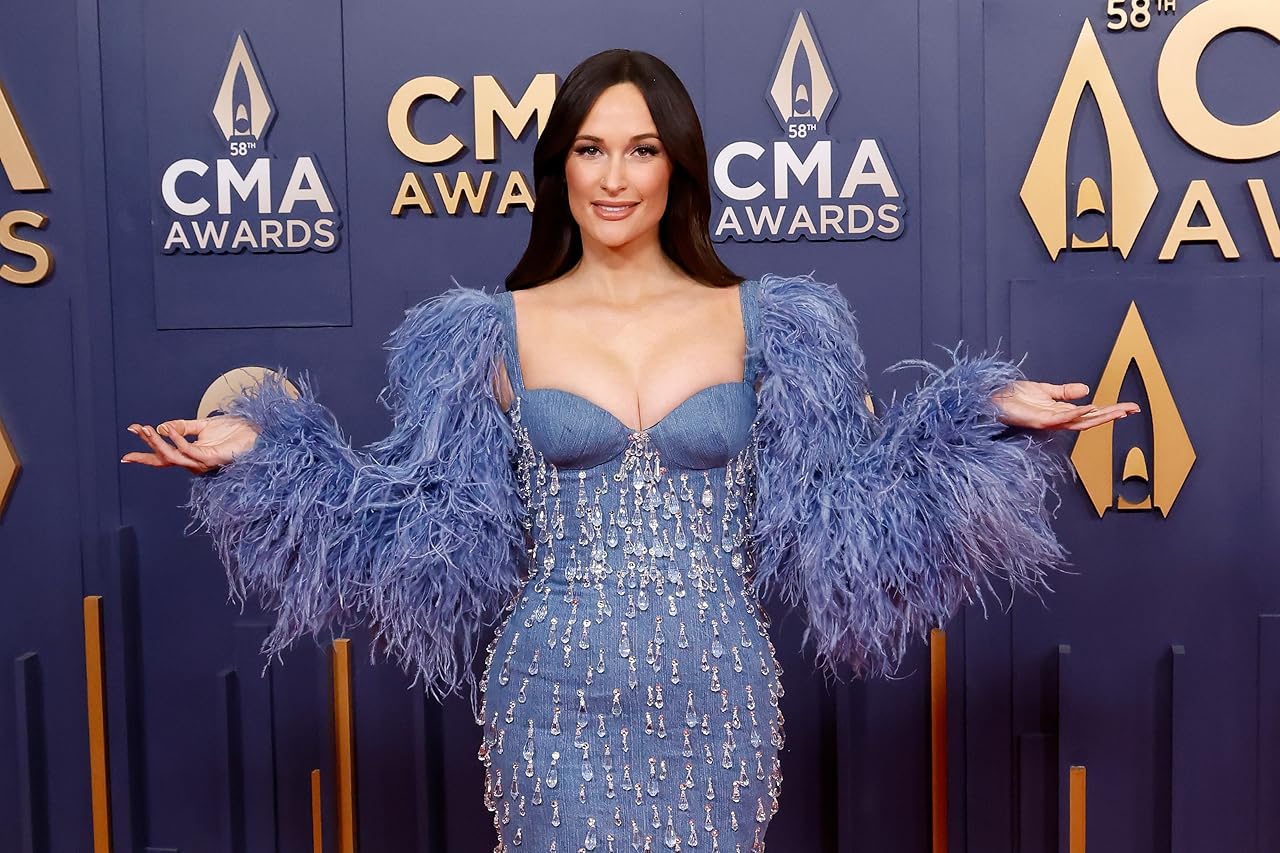
Kacey Musgraves’ Reaction and the Halftime Show Faceoff
Kacey Musgraves praised Bad Bunny’s Super Bowl LX performance and contrasted it with Kid Rock’s simultaneous Turning Point USA “All-American” show, sparking debate about music, politics, and patriotism. Her brief comment rippled through social media, drawing reactions from fans, fellow artists, and public figures.
Kacey Musgraves’ Viral Comment Explained
Kacey posted a succinct message on X that read, “Well. That made me feel more proudly American than anything Kid Rock has ever done.”
You can see how direct wording turned a single-line post into a viral moment.
Her remark referenced Bad Bunny’s Super Bowl LX Halftime Show, where the Puerto Rican superstar delivered a high-energy set with nods to Latin identity and global pop culture.
Musgraves used the contrast to criticize Kid Rock’s Turning Point USA halftime performance, which many viewed as politically charged.
Because she’s a country artist, her take amplified the cross-genre conversation: pop and Latin music supporters rooted for Bad Bunny, while some conservative viewers defended Kid Rock.
Kacey’s comment landed amid celebrity reactions from names like Zach Bryan, Rissi Palmer, and others who weighed in publicly.
Comparing Bad Bunny and Kid Rock’s Halftime Shows
Bad Bunny’s Super Bowl LX set emphasized spectacle, choreography, and cultural references, featuring bilingual hits and moments that highlighted his Puerto Rican roots.
You would note guest visuals and a stage design that referenced Latin music traditions and mainstream pop staging.
Kid Rock’s Turning Point USA show presented a different tone: it blended classic rock sensibilities with political messaging aimed at conservative audiences.
The performance included rhetoric and imagery that some viewers labeled overtly patriotic, while others viewed it as partisan.
Musically, Bad Bunny prioritized rhythm and communal celebration, with influences from reggaetón, trap, and Latin pop.
Kid Rock leaned on rock, country, and Americana tropes, aiming for a nostalgic “All-American” feel that contrasted sharply with Bad Bunny’s globalized sound.
Social Media and Celebrity Responses
After Kacey’s post, social platforms exploded with reaction tweets, clips, and memes.
You saw celebrities like Adam Sandler and others publicly praise Bad Bunny, while figures aligned with Kid Rock defended his set.
Comments often framed the faceoff as cultural rather than purely musical—debates over patriotism, representation, and who gets to claim “American” identity dominated feeds.
High-profile mentions amplified the conversation: clips of Bad Bunny’s choreography and Kid Rock’s stage moments circulated widely.
Platforms also hosted backlash. Some users accused Musgraves and other celebrities of politicizing entertainment, while others praised them for calling out what they perceived as performative patriotism.
The debate pushed the halftime shows beyond sport into a broader cultural argument about identity and belonging.
Fan Perspectives and Cultural Impact
Fans split sharply: many Bad Bunny supporters celebrated representation of Latin artists on a massive stage, saying the performance felt “more proudly American” by showcasing the country’s diversity.
You’d find threads highlighting the presence of Latino culture and attendees who felt seen.
Conversely, Kid Rock’s fans praised the “All-American” framing as genuine patriotism, arguing it spoke to traditional values and a different fanbase.
That camp framed the shows as catering to distinct audiences rather than a single national taste.
The clash affected streaming and social metrics: Bad Bunny’s set drove spikes in streams and searches for his catalog, while discussion around Kid Rock drove political commentary and conservative media coverage.
Culturally, the moment underscored how Super Bowl halves now serve as battlegrounds for identity and national image, involving figures from Lady Gaga to Ricky Martin in peripheral conversations about representation and patriotism.
All-American Halftime Show: Turning Point USA’s Alternative
Turning Point USA staged a streamed halftime event that directly challenged the Super Bowl’s main show by offering a country-rock lineup and overtly patriotic themes. The event mixed well-known performers, political messaging, and tributes tied to the organization’s late founder.
Organizers and Lineup
Turning Point USA (TPUSA) produced the All-American Halftime Show and scheduled it to stream as Bad Bunny performed at Levi’s Stadium. You get a roster built to appeal to conservative and country-music audiences: Kid Rock headlined, with Brantley Gilbert, Lee Brice, and Gabby Barrett joining the bill. The set leaned on rock and country staples rather than pop or reggaeton.
Kid Rock’s presence drew attention because of his history of provocative songs like “Bawitdaba” and outspoken political statements. Brantley Gilbert and Lee Brice supplied modern country energy, while Gabby Barrett added a mainstream country-pop voice. TPUSA marketed viewing instructions and streaming links so supporters could watch the alternative in real time.
Themes of Patriotism and Controversy
TPUSA framed the show as a celebration of “faith, family and freedom,” emphasizing American iconography, military appreciation, and traditional values. You saw flag imagery, patriotic song choices, and messaging aimed at viewers uncomfortable with the Super Bowl’s headliner selection. The event positioned itself as a family-friendly counterprogramming option.
Controversy followed immediately. Critics argued the concert was a politicized reaction to Bad Bunny’s Spanish-language performance, while others pointed out that staging a rival stream during the Super Bowl is more stunt than cultural alternative. You should note debates about language, representation, and whether music choices reflected genuine audience demand or manufactured grievance.
Charlie Kirk’s Influence and Tributes
Charlie Kirk founded Turning Point USA and remained central to the show’s branding even after his death in 2025. TPUSA leaders and performers repeatedly invoked his name; his widow, Erika Kirk, took a visible leadership role and described the event as honoring his cultural priorities. You encountered explicit nods to Kirk’s mission of engaging young conservatives in culture-war arenas.
The programming included rhetoric about continuing Kirk’s work and offered the halftime stream as an exemplar of TPUSA’s cultural interventions. Performers and hosts referenced Kirk’s influence directly, presenting the concert as both entertainment and a political statement tied to his legacy.
More from Vinyl and Velvet:

Leave a Reply